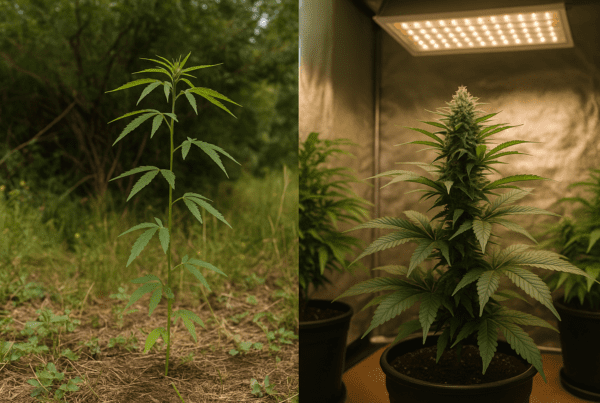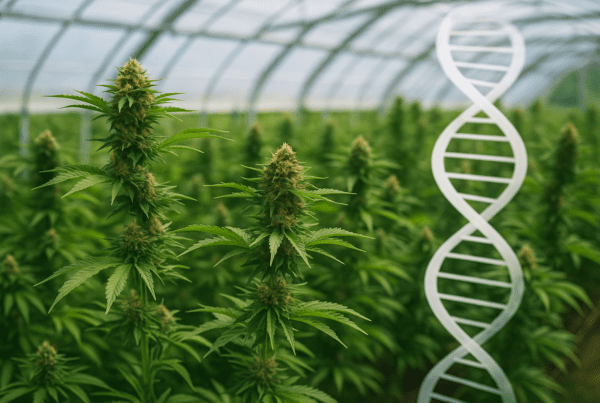

Cultivators and connoisseurs in the cannabis world often speak of genetics and environment as separate forces shaping the plants we see and consume. Yet their interaction feels more like an ongoing dialogue, where the characteristics passed down through genes meet the subtle influences of terroir – the local climate, soil, water, and overall growing conditions that impart unique qualities to plants.
When Cannabis Genetics Aren’t Enough
Genetics provides a blueprint. Whether a strain is sativa, indica, or a hybrid, or carries specific cannabinoid and terpene profiles, each plant arrives with potential. But growers have observed time and again that those plants can express quite differently depending on where and how they are grown. Two cultivators growing the same seed in different regions can end up with flower that tastes, smells, and feels distinct. This phenomenon recalls grape growing, where the same vine produces wines with varying character across vineyards.
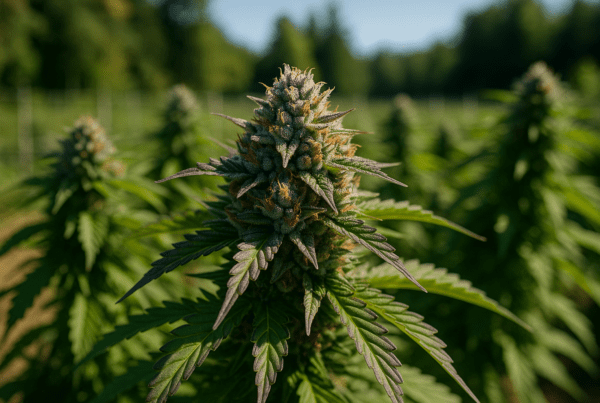
Part of this difference stems from terroir, a term borrowed from viticulture and agriculture, highlighting the role of place in a plant’s development. Soil mineral content, sunlight intensity, daily temperature swings, humidity, and even microbial communities in the earth subtly influence plant metabolism, affecting cannabinoid and terpene synthesis. Cannabis is no stranger to these nuances, which adds complexity (and sometimes frustration) for growers aiming to replicate or improve specific traits.
For the craft cannabis market, this interplay offers more than just variation. It provides an opportunity to cultivate products that stand out – with distinct profiles rooted in their local environments. Craft producers increasingly focus not just on genetics but on how those genetics respond to terroir, creating flower that tells a story about both lineage and location.
Regional Flavor Signatures in Cannabis
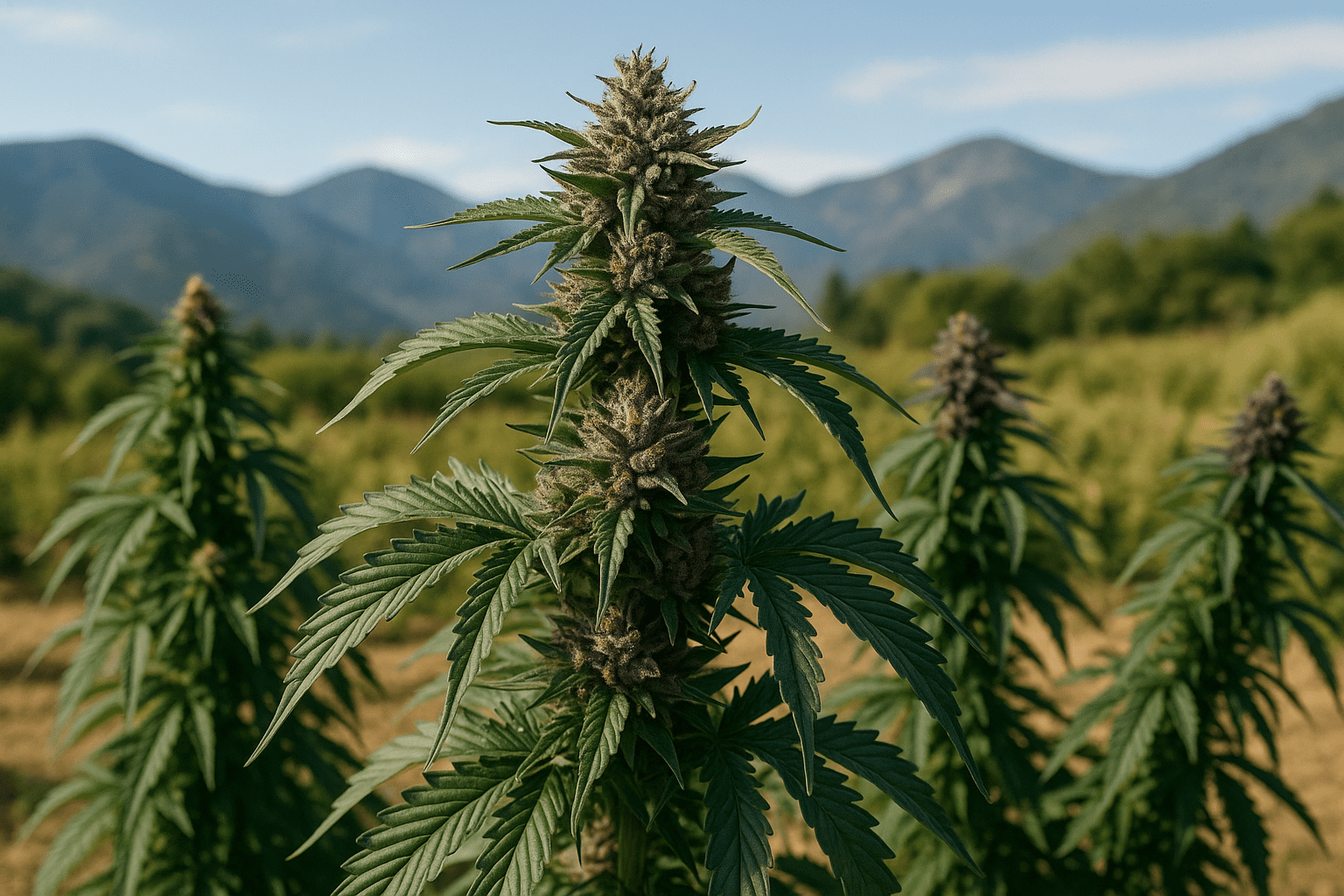
When walking through a curated cannabis shop or market, you might notice some farms or producers emphasize place-origin almost as much as strain names. Descriptions include references to coastal breezes, mountain soils, desert sun, or even urban microclimates. This framing reflects a desire to capture and communicate the subtle fingerprints terroir leaves on the plant.
Take terpene profiles, for example. Terpenes drive the aroma and flavor of cannabis and are sensitive to environmental cues. Plants grown in cooler, higher-altitude regions might develop different terpene balances compared to those in warmer, humid areas. Some researchers have noted that even how water is delivered – drip irrigation versus rainfall – can influence terpene concentration. This sensitivity makes local conditions vital for defining a product’s sensory character and appeal.
Moreover, cannabinoid levels can vary with environment. Studies have observed that ultraviolet radiation, temperature fluctuations, and nutrient availability can shift cannabinoid biosynthesis pathways, altering THC, CBD, and minor cannabinoid content. While genetics determine the potential, terroir nudges the outcome – turning flower from uniform to unique.
The Business of Craft and Authenticity
The movement towards craft cannabis is not just about small-scale cultivation but about authenticity and connection. Consumers increasingly seek products that feel genuine, with transparent origins and stories tied to place. By highlighting terroir alongside genetics, craft growers tap into these desires, similar to how craft beer or specialty coffee markets operate.
This trend encourages growers to experiment with local soils, water sources, and climate conditions to coax their plants into expressing something special. It also invites them to protect regional cultivation methods that foster these distinctions rather than standardizing production at the expense of diversity. As a result, differentiation in craft markets is shaped both by the inherited traits of the plants and the particular conditions under which they live.
Marketing cannabis based on terroir can raise awareness of the ecological context of cultivation, promoting sustainability and respect for local environments. It also offers consumers a chance to explore nuanced experiences beyond generic strain effects – the taste of a mountain breeze in a flower’s aroma or the earthiness of a sun-soaked valley in its flavor.
Challenges and Unknowns at This Intersection
While the concept of terroir in cannabis feels intuitive, the science is still catching up. Unlike wine grapes, which have centuries of documented regional influence, cannabis research on this topic remains sparse and fractured. Quantifying how exactly soils or climates influence cannabinoid and terpene profiles is complex, with many variables at play.
Another challenge lies in standardizing terroir claims without oversimplifying or drifting into marketing hype. Place-based differentiation requires a delicate balance – too broad and it loses meaning, too narrow and it may not resonate widely. Plus, commercial pressures for consistent product quality sometimes conflict with allowing nature to shape variation.
Despite these hurdles, brands and growers continue exploring how terroir and genetics together craft distinctive cannabis expressions. Emerging research, paired with hands-on cultivation insight, is beginning to illuminate what factors matter most in which contexts. Understanding these interactions better could encourage preservation of genetic diversity alongside the cultivation of regionally defined phenotypes.
Where Futures and Traditions Meet in the Grow Room
In conversations about cannabis innovation, technology often grabs the spotlight – advanced genetics, controlled indoor environments, automation. Yet the craft market’s emphasis on terroir shows a parallel arc where respecting and harnessing nature’s variability plays a role. This connection to place offers a narrative thread linking traditional agricultural wisdom with modern cannabis culture.
As growers refine their appreciation of how genetics and environment interlace, the resulting diversity in cannabis profiles may deepen appreciation for regional craft offerings. This trend invites consumers to look beyond simple strain names and potency numbers, to explore how the earth and climate shape what they enjoy. The farm, after all, is part of the product, as much as the seed itself.
The intersection of cannabis genetics and terroir continues to be fertile ground for experimentation and reflection. Its relevance to craft market differentiation rests in how these factors together bring complexity, authenticity, and connection to cannabis cultivation and experience.
For growers and consumers both, this unfolding story encourages patience and openness, reminding us that every plant carries a history of lineage and place, entwined in its buds and aromas.
Exploring these layers may never fully settle into neat formulas or predictable outcomes – and perhaps that unpredictability is part of the craft itself.
As more detailed research emerges and craft cultivators share their observations, the mosaic of cannabis terroirs around the world should become clearer, offering fresh ways to enjoy and understand this versatile plant.
For those looking to dive deeper, resources like this study on environmental impact on cannabis chemistry and Leafly’s exploration of cannabis terroir paint a picture of current understanding and possibilities.
In the end, cannabis genetics and terroir together shape more than product profiles. They shape experiences, stories, and a sense of belonging to a place – an ingredient that matters deeply in the craft cannabis community.
Sources and Helpful Links
- NCBI on cannabis environmental effects, an article exploring how growing conditions influence cannabis chemistry
- Leafly’s insight on cannabis terroir, discussing the relationship between local conditions and cannabis traits
- University of Vermont report on genetics and environment, covering recent research in cannabis plant variation