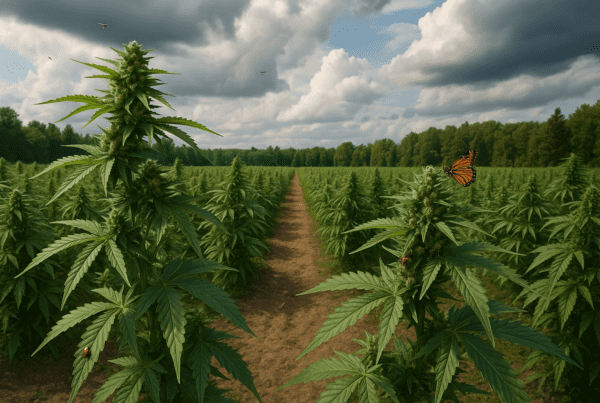

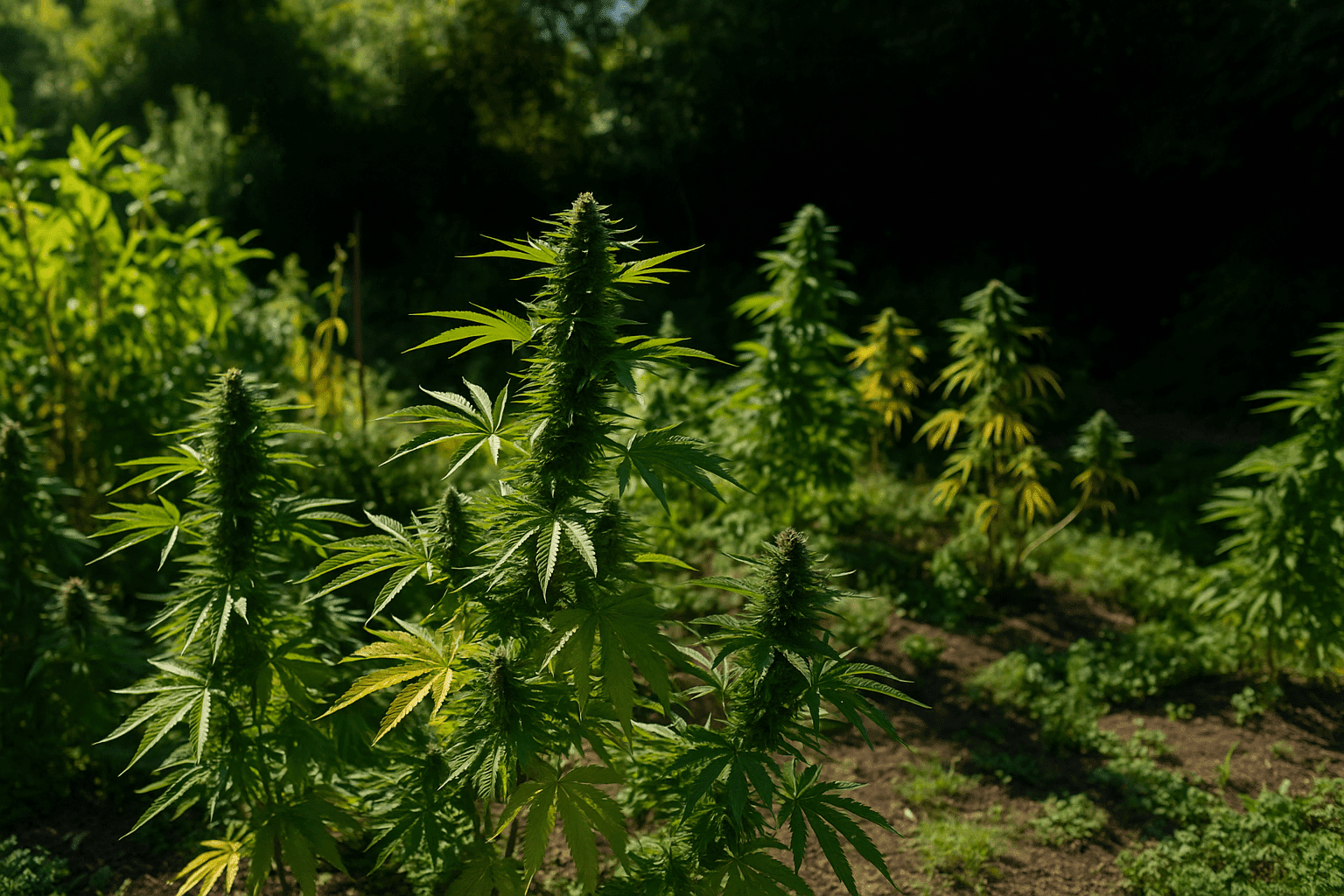
Tending cannabis outdoors is not as simple as picking a sunny spot and waiting for a good harvest. The subtle shifts in temperature, humidity, wind, and sunlight within a small area can profoundly influence how plants grow and thrive. These localized environmental differences, known as microclimates, weave complexity into outdoor cannabis farming, sometimes in unexpected ways.
How Small Differences Set the Stage
On a broader scale, climate zones give a general feel for what to expect in a growing season. But when you step into a backyard or small farm, conditions become vastly more detailed. One corner of a garden may bake under a southern exposure while another sits cool and shaded near a tree line or fence. Soil drainage may vary just a few feet apart. Crosswinds funneling through nearby buildings can intermittently chill plants or dry out the soil faster than anticipated.
These microclimates take form through topography, vegetation, manmade structures, and subtle shifts in elevation or exposure. Each factor carves out pockets of differing heat retention, moisture levels, airflow, and even pest habitats. The cannabis plants growing within these pocketed conditions respond accordingly, altering growth rates, resin production, and susceptibility to issues like mold or stress.
Sometimes the difference between thriving and struggling plants can be as simple as a spot that holds warmth at night or a shallow dip where cold air settles low. These recurring conditions build quietly but carry impact throughout a season, shaping the story of each plant’s development in sometimes unpredictable ways.
Timing and Stages of Growth React Quietly but Surely
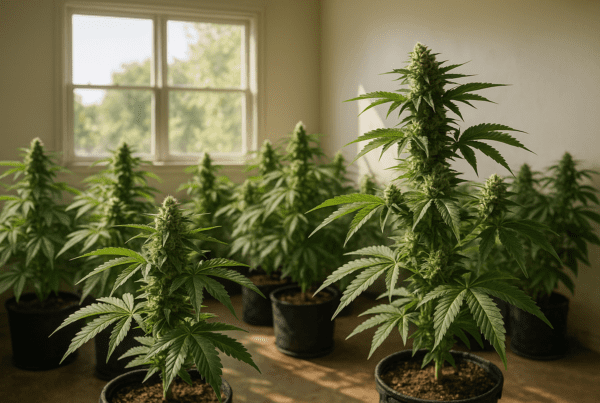
Cultivators often notice how plants within one planting area may flower earlier or later than those just steps away. Genetics and care play a role, but microclimate effects frequently underlie these shifts. A plant basking in a warmer microclimate might move through its flowering phase faster, while neighbors in cooler or damper areas stretch out the process or delay it altogether.
Humidity pockets trapped by dense bushes or shaded zones can increase the risk of mold, which is a common worry in outdoor cultivation. On the other hand, a breezy microclimate might protect plants by promoting air circulation but could also cause stress through wind damage or excessive evaporation. These fine balances require observation more than prediction, as no two spots are truly alike.
Growers familiar with these nuances often describe their gardens as varied environments rather than uniform fields. This perspective helps in anticipating variation in bud density, terpene profiles, and even color expression. The natural rhythms of microclimate encourage more attuned care practices tailored to the individual spots within a larger plot.
The Impact on Pest and Predator Dynamics
Microclimates indirectly shape the biological ecosystem around cannabis plants too. Certain insects or fungal spores may find refuge in wetter or more shaded patches, spreading disease or damage unevenly across a garden. Areas with more sun and warmth might promote populations of beneficial predators that help keep pests in check.
This uneven pressure creates a patchwork of vulnerability and resistance that doesn’t always align with human intentions or routine interventions. Growers with a keen eye often adjust techniques based on what emerges in each microenvironment, from selective pruning to targeted treatments, rather than relying solely on blanket approaches.
For example, a damp, shaded corner might develop more spider mites in one season or see powdery mildew outbreaks, while sunnier, drier zones remain surprisingly unscathed. Watching these patterns over years provides valuable information that informs integrated pest management strategies tailored to each unique microenvironment.
Reading the Land Before Planting
Successful outdoor cannabis cultivation often starts with close attention to the site itself. Walking the garden throughout day and night, noting where the sun hits and for how long, identifying cold pockets where frost might settle, and observing wind patterns helps build a living map of microclimates.
Many growers use simple markers like soil thermometers, moisture meters, and even potted test plants scattered around the space to gauge how conditions play out before planting the main crop. This groundwork can inform decisions on strain selection, spacing, and placement tailored to microclimatic realities. Some strains handle cooler, damper conditions better, while others thrive in warmer, sunnier niches.
Soil type adds another layer. A sandy patch might dry quickly, requiring more frequent watering, while a clay pocket tends to hold moisture longer but risks root rot if drainage is inadequate. Growing cannabis outdoors means wrestling with these varied soil microclimates alongside atmospheric ones.
Adjusting Tactics as the Season Unfolds
Even after planting, microclimate awareness continues to be crucial. Adjustments in watering schedules, shade cloth deployment, or windbreak installation become tools to manage the nuances of local conditions. For instance, placing row covers over vulnerable plants in frost-prone pockets or shifting watering times to avoid midday evaporation can make measurable differences.
Such tweaks demand patience and flexibility as the growing season progresses. Weather changes, unexpected rains, or heatwaves can alter the microclimate picture, prompting quick responses. This dynamic relationship invites growers into a cycle of close observation and responsive care.
It is often these small interventions that separate a good outdoor harvest from a great one. Recognizing that not every plant faces the same conditions allows for more precise and effective management, increasing overall yield quality and consistency within the same cultivation area.
While microclimates complicate outdoor cultivation, they also offer opportunities for varied growing experiences in a single space. Learning to read and work with these subtle environmental differences helps growers tailor their approach and engage more deeply with their growing environment.
Resources like Oregon State University’s extension guide provide grounded knowledge on how to understand and adapt to local conditions for cannabis cultivation. The University of California Agriculture and Natural Resources site offers useful research on how environment impacts cannabis plants across different regions.
Cannabis growers looking for practical ways to use microclimate knowledge can find valuable insights in Leafly’s coverage of microclimate strategies, which blends experience with actionable tips for outdoor garden care.
Understanding and working with microclimates is less about controlling every variable and more about cultivating a responsive relationship with the land. The outdoor cannabis garden becomes an ecosystem to watch as much as a crop to tend, inviting growers to slow down and observe nature’s subtle rhythms.
Over time, these quiet influences deepen a grower’s connection to the outdoor environment, making success less about brute effort and more about attentiveness to the living interplay around each plant.
Sources and Helpful Links
- Oregon State University Extension A practical guide to growing cannabis outdoors in Oregon’s climate.
- University of California ANR Reports and research on cannabis cultivation and environmental interactions.
- Leafly on microclimates Practical grower insights on microclimate impacts for cannabis.