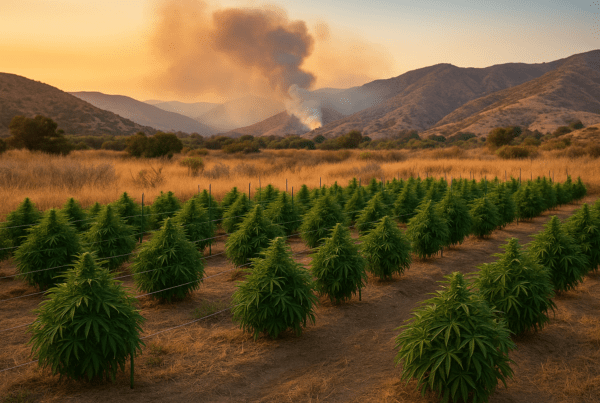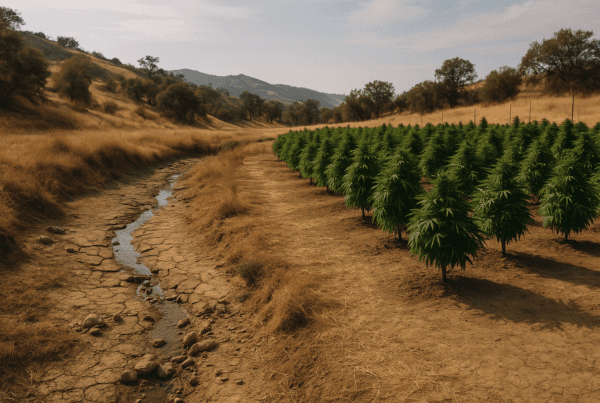

California’s reputation for outdoor cannabis cultivation has always hinged on its diverse microclimates and generally favorable weather patterns. Yet as temperature swings become more erratic, a familiar landscape for growers is shifting beneath their feet. The plant’s growth cycle, pest pressures, and even irrigation schedules reflect these changes, pressing cultivators to rethink how they work with their environment.
Morning chill and afternoon heat challenge historic rhythms
Cannabis relies on a balance of warmth and stable conditions to carry through heavy growth phases. However, in various California regions, growers describe a puzzling rhythm: morning frost warnings followed by hot afternoons that outpace prior seasonal norms. This abrupt change unsettles the plants’ internal clocks. Morning colds slow metabolism, while later heat bursts can stress leaf tissue and disrupt water and nutrient flows.
These temperature jumps often mimic symptoms growers associate with other problems, such as overfeeding or pests, complicating diagnosis. New clones and young vegetative plants appear particularly sensitive, showing stunted growth or leaf spotting that fades once conditions stabilize. In the Emerald Triangle or Northern California’s coastal foothills, traditional reliance on microclimates carved by topography is becoming less effective. These natural refuges can still buffer extremes but are less predictable than before.
The evolving role of shading and wind protection in uncertain weather
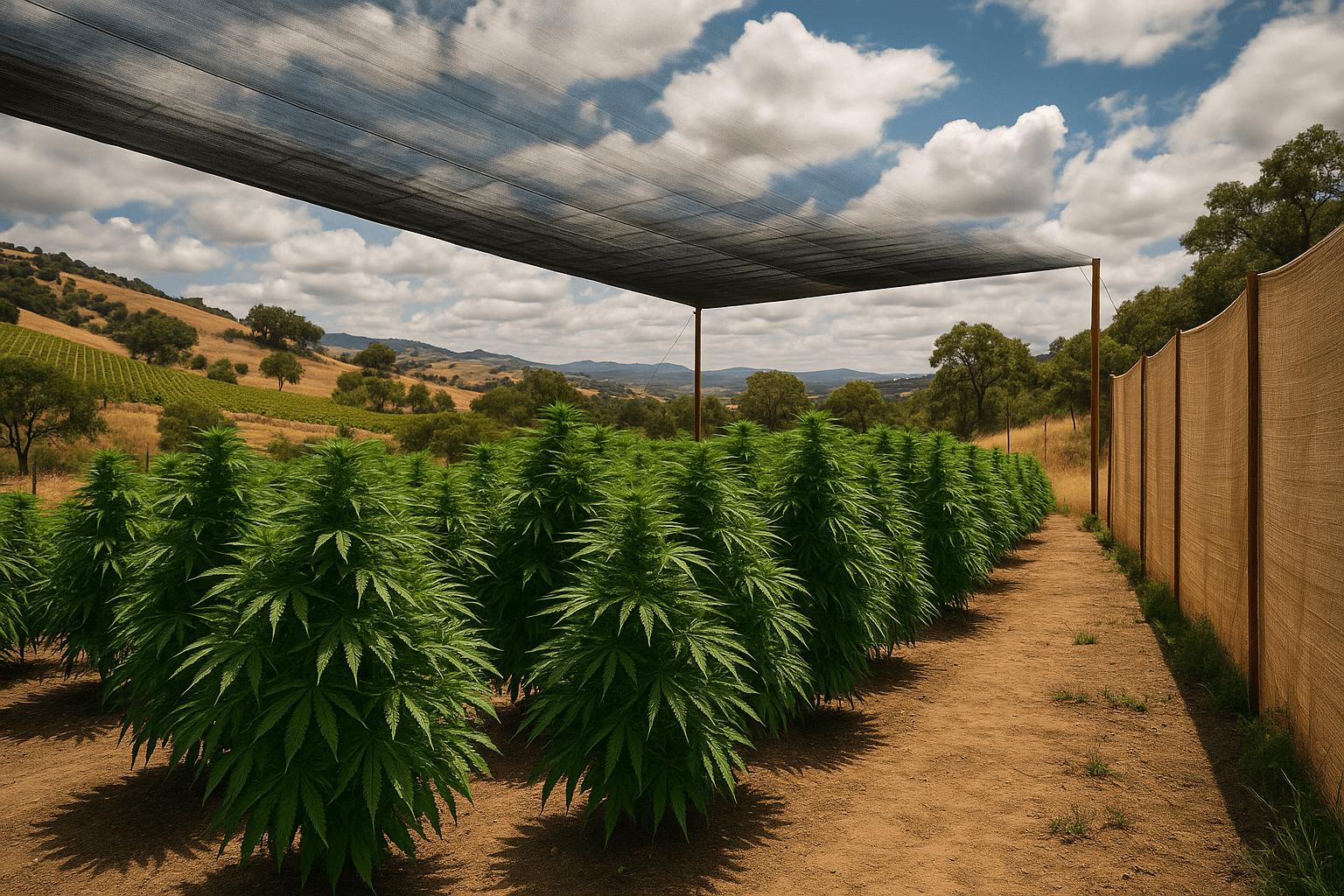
Growers are moving beyond fixed shade structures, embracing adjustable shade cloth systems that respond to the day’s forecast. While labor-intensive, these setups help modulate light intensity and temperature, buffering plants from the sharp midday heat after a cold dawn. Shade adjustment requires attentiveness and local knowledge of daily weather cues, making it a hands-on addition rather than an automated fix.
Windbreaks have undergone a resurgence, recognized not only for limiting physical damage but also for their ability to influence temperature. Carefully planned rows of native shrubs or trees reduce wind chill during cold snaps and restrain heat convection when temperatures peak. Although these natural barriers require patience to mature, their ecological benefits extend beyond horticulture, supporting native wildlife that can help manage pests naturally.
Alongside these physical methods, some cultivators are selecting or breeding strains with genetic resilience to wider temperature ranges. Heritage Californian cultivars with adaptation to coastal whipsaws or inland thermal hills offer starting points, while newer breeding lines aim to lock in resistance to stress patterns emerging in these shifting climate zones.
Soil health reveals unseen shifts beneath the surface
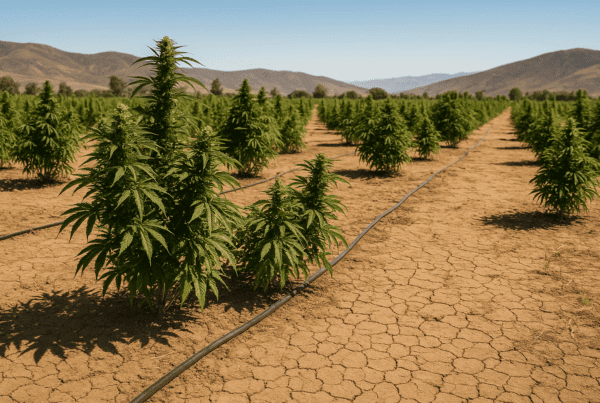
Outdoor temperature swings do not just affect what is visible above ground. Soil reflects and reacts to air patterns, influencing microbial life and nutrient cycling crucial for plant health. Warm soil speeds the breakdown of organic matter but also dries out more quickly, increasing irrigation challenges. During cold spells, slowed microbial activity can restrict nutrient availability just when plants need it most in early growth phases.
Growers are responding by paying closer attention to soil temperature and moisture monitoring. Many turn to organic mulches, such as wood chips or straw, to moderate swings and preserve moisture. Compost additions help nourish soil microbes, promoting a more stable biological environment that tempers nutrient shocks linked to abrupt temperature shifts. Observationally, gardens with consistent soil conditions tend to rebound better from heat-induced stress.
This interconnectedness of soil biology, moisture, temperature, and plant function underlines cannabis cultivation outdoors as a system needing holistic care and ongoing adjustment.
Reading the land alongside data and community experience
Weather forecasts have long been a staple for growers, but localized microclimates often deviate from regional predictions. To bridge this gap, many cultivators now deploy on-site sensors for temperature, humidity, and soil data, blending big-picture forecasts with immediate garden conditions. This helps catch sudden temperature swings that generalized reports would miss.
In several parts of California, grower communities and cooperatives share real-time observations and problem-solving strategies, creating a network of local knowledge. Recommendations for frost protection improvisations or rapid responses to heatwaves spread quickly, offering collective insurance against unpredictable weather.
The art of outdoor cultivation continues to require mixing technological tools with experienced observation. Cultivators learn when to lean on devices and when to trust intuition developed through seasons of trial and error, all while adjusting to the landscape’s mood.
Unpredictable weather is not a new story in farming, but cannabis’s close link to its environment means adaptability is critical for consistent harvests. Those growers who read the subtle signs of their plants and environment, balancing innovation with tradition, find they can navigate this evolving climate puzzle.
Resources such as the University of California’s sustainable agriculture site offer grounded research on soil and climate resilience, which many cultivators reference as they fine-tune their methods. Industry publications and forums add perspectives from peers dealing with similar challenges across the state, helping build a shared understanding enriched by day-to-day experience.
In essence, the evolving story of California outdoor cannabis cultivation is about responsiveness — adjusting environmental inputs gently and carefully, rather than forcing plants into rigid schedules or setups. It is a conversation that respects the complexity of ecosystems, plant biology, and weather variability.
As knowledge accumulates season over season, the hope is to establish pathways toward stability amid ongoing temperature fluctuations, keeping both plants and ecosystems healthier for the long haul.
Meanwhile, experimentation with shading, windbreaks, soil management, and local data tracking remains vital. Adaptation is not a one-time fix but a continual process, paralleling the natural growth and resilience of the plants themselves.
Ultimately, California’s outdoor cannabis growers are learning that the best way forward embraces both scientific insight and patient attention to the clues nature provides on any given day.
Sources and Helpful Links
- University of California Sustainable Agriculture for research on soil health and climate-resilient farming
- California Department of Food and Agriculture offering resources on local climate data and cultivation guidance
- Cannabis Business Times for updates on cultivation technologies and industry trends
- Ganjapreneur providing community-driven insights and grower stories