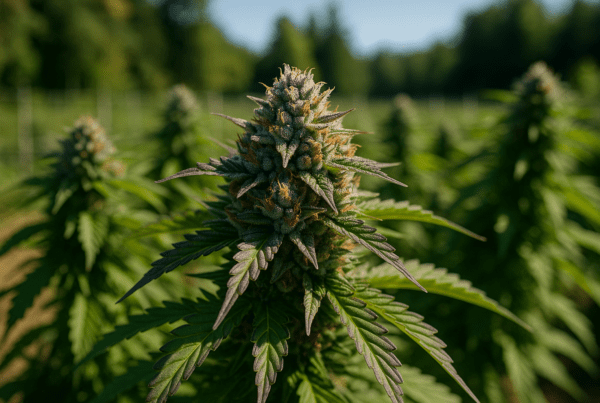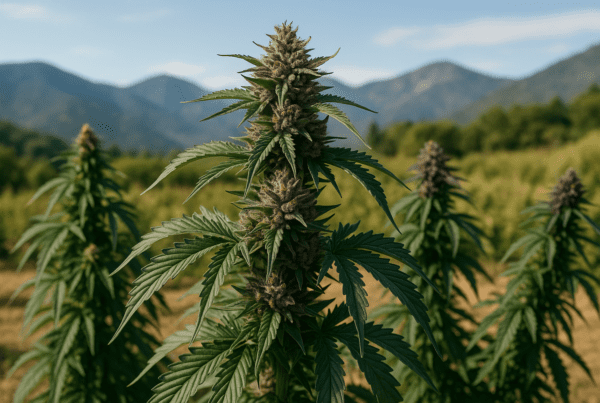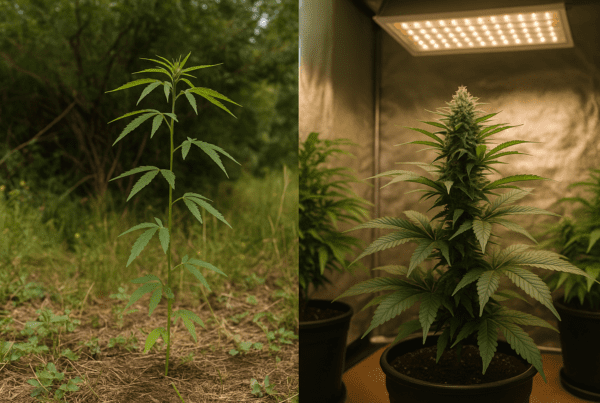

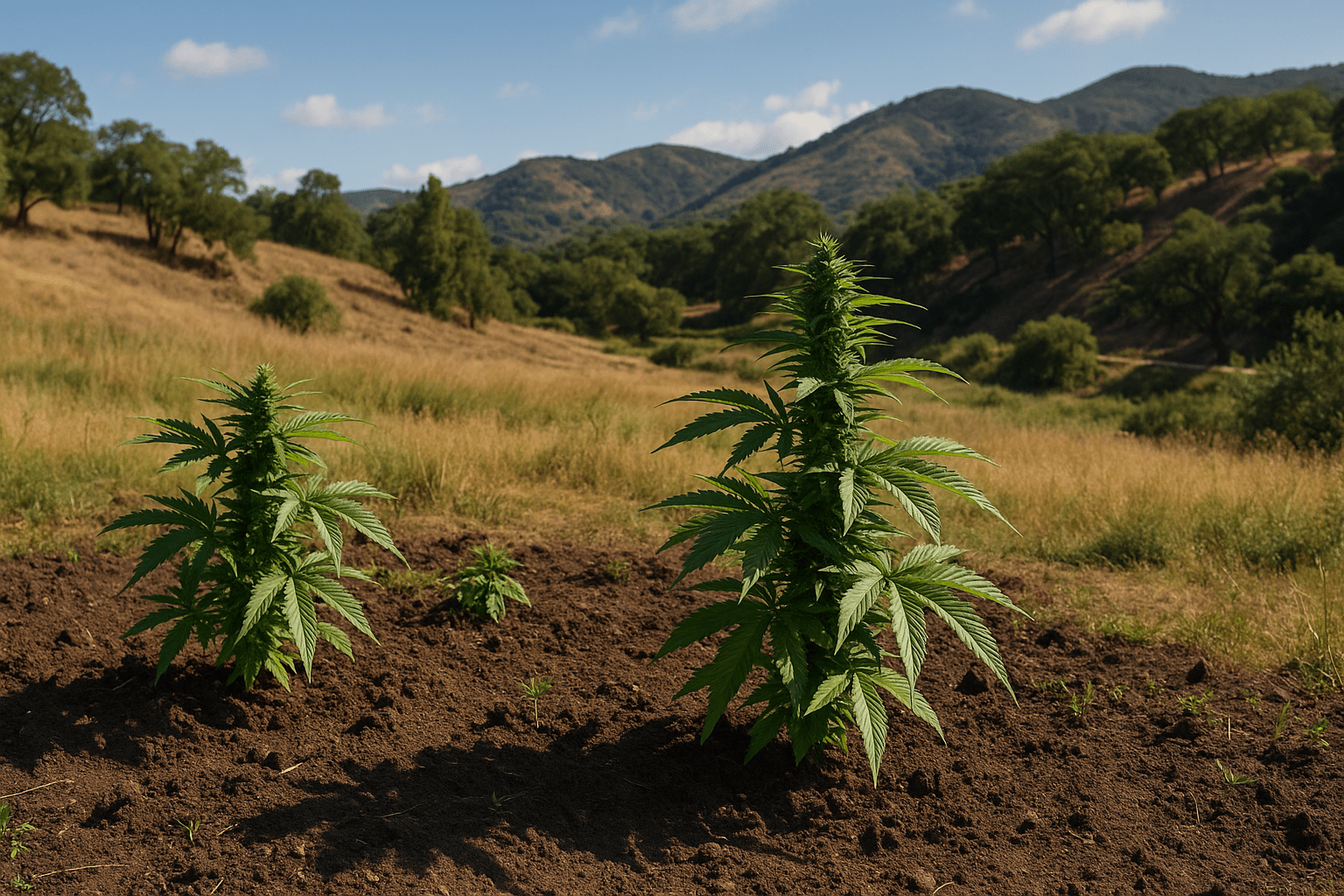
When talking about cannabis, flavor is one of those things that carries a lot of weight but can also feel a bit mysterious. Why does one batch of what’s supposed to be the same strain sometimes taste different? The answer might lie in something growers and connoisseurs have borrowed from the wine world: terroir. This concept, which captures how local environmental factors—like soil, climate, and altitude—shape the taste and character of plants, is starting to influence how cannabis flavors are understood.
The Soil Beneath the Buds
The composition of soil where cannabis is grown has long been recognized as a critical factor in cultivation success, but its subtle role in flavor nuances is often overlooked outside specialist circles. Cannabis roots interact with the mineral content, microbes, and organic matter present, drawing unique combinations of nutrients. These differences in soil chemistry can subtly shift the plant’s synthesis of essential oils, particularly terpenes, which largely govern aroma and taste.
Growers in regions with volcanic soil, for example, report that their cannabis carries a distinct earthiness intertwined with brighter citrus notes, which some attribute to minerals like magnesium and calcium naturally abundant in such ground. Conversely, soils rich in organic matter and fungi communities might encourage more complex, resinous flavors due to improved nutrient uptake and stress responses the plants endure. While the science connecting specific soil types to terpene profiles is evolving, these observations from cultivators signal a clear dialogue between earth and plant.
Microclimates and Their Subtle Hints
Beyond soil, the surrounding environment — temperature, humidity, sunlight exposure, and airflow — all leave marks on how cannabis develops chemically and physically. Microclimates exist even within small cultivation sites, meaning two plants grown just meters apart might develop different terpene profiles. This variation can cause notable shifts in taste and aroma, lending the idea that not all cannabis labeled under the same strain will be identical.
For example, higher nighttime temperatures can reduce monoterpene concentration, muting fresh citrus or pine notes, while consistent UV light exposure can enhance resin production, leading to richer, deeper flavors. In northern latitudes with shorter growing seasons, the rush to mature can change the balance of cannabinoids and terpenes, often leading to harsher or less nuanced flavor profiles compared to those nurtured in milder climates.
Some outdoor growers embrace these microclimates as a way to produce distinct batches with regional signatures. This attention to the interplay between plant and place reflects a long heritage seen in other crops, signaling that terroir in cannabis might be more than a passing trend. It could offer a language to describe what growers feel, taste, and see in their harvests.
Strains Meet Place: Genetics Isn’t the Whole Story
It’s tempting to think strain genetics alone determine cannabis flavor, but the reality is more textured. Two growers working with the same genetics but in different environments can deliver products that vary markedly in smell and taste. This means the familiar classification into Indica, Sativa, or hybrid, while useful for broad effects, may oversimplify what consumers experience at the sensory level.
Breeders increasingly recognize that even stable genetics can reveal wider ranges of terpenes when grown in different terroirs. This goes hand in hand with the observation that phenotypes, which capture genetic expression variations in a single plant population, respond differently to environmental stresses, nutrient availability, and watering schedules. Each of these factors can tweak essential oil profiles in buds, influencing the end flavor.
Some collector growers seek out regional versions of strains for these nuanced differences. For example, cultivating a famous strain in the high deserts of the Southwest United States often results in a dryer, spicier aroma compared to coastal Californian runs of the same variety, which might lean toward fruitier, brighter notes. This speaks to a layered relationship where genetics set the foundation, but place provides the final artistic brush strokes.
The Road Toward a Terroir-Informed Cannabis Market
As consumer sophistication grows, there’s a rising appetite for cannabis products that highlight origin and quality nuances beyond simple strain names. Dispensaries and craft cultivators have started to feature batches marked by their growing region, sometimes describing soil types and microclimate details, hoping to offer consumers a story and flavor profile rooted in place.
This movement challenges the industry to standardize how these environmental aspects are recorded and communicated. While terpene testing is now common, tying those results back to specific site factors remains an ongoing task. Some initiatives explore terroir mapping, akin to wine appellations, proposing that cannabis could one day be identified by micro-regions with recognized flavor signatures.
Retailers also face the challenge of balancing terroir storytelling with the consistency that many consumers expect. Plant variability linked to environment might be embraced by craft users but complicate branding efforts for larger producers aiming for uniformity. Still, the allure of terroir offers a tangible connection to the land and the care behind a cultivar, inviting a more appreciative engagement with cannabis as a crop and a cultural product.
In many ways, terroir in cannabis recalls the early days of wine and coffee appreciation, where a deeper respect for place transformed consumer understanding. It invites both growers and consumers to tune their senses and broaden how flavor is discussed, moving cannabis flavor profiles from static labels to living experiences shaped by earth, sun, breeze, and rain.
Whether this concept becomes a defining feature within the cannabis world remains to be seen, but the emerging influence of terroir is already changing how many think about taste. It encourages us to listen more carefully to what the plant reveals about its journey from seed to smoke.
For those curious about what shapes cannabis beyond its genetics, terroir offers a rich path worth exploring.
As this trend moves forward, keeping an eye on regionally driven flavor distinctions could open new chapters in cultivation techniques and consumer appreciation alike.
Looking for more on how cannabis chemistry meets environment? Visit Leaf Reporter’s terpene breakdown or this review on plant environment interactions in cannabis for a scientific perspective.
A Taste Beyond the Label
In the end, the growing interest in terroir connects people more deeply with the places behind their cannabis. Sharing stories about soil and sun, climate quirks, and farming traditions enriches the experience beyond mere effects or THC percentages. It is a reminder that cannabis, like many crops with a long human history, carries a sense of place that deserves attention if we want to truly appreciate what it offers.
Even as the cannabis industry continues to evolve and expand, terroir might be one of the quietly influential ideas shaping its flavor landscape for years to come.
Whatever the future holds, the subtle ways environment breathes into cannabis invites us all to taste more mindfully and savor the unique character found only where plant and place meet.
Sources and Helpful Links
- Leaf Reporter terpene breakdown offering clear explanations on cannabis aromatic compounds and their influences.
- NCBI article on cannabis-environment interactions discussing how growing conditions affect plant chemistry.
- Wine Enthusiast on terroir explaining the concept in its original agricultural context.