
Water and nutrient PH levels weave a subtle but powerful thread through the story of cannabis cultivation. Outside of controlled lab conditions, PH does not follow a neat, static number. Instead, it fluctuates daily or weekly, sometimes unpredictably, influenced by watering habits, medium, and environmental shifts. Observing how growers cope with these variations offers a window into the real-world challenges of coaxing healthy cannabis from seed to harvest.
Shifting Acidity and Alkalinity in Intimate Grow Spaces
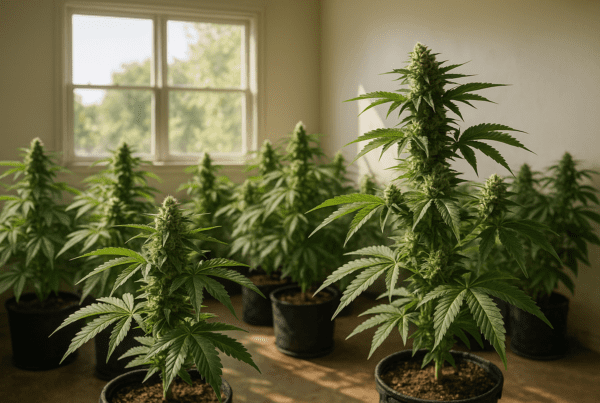
Among indoor growers, PH testing has become near ritual. Yet, the readings often reveal a dance rather than a steady state. Many steady-hand cultivators report seeing PH levels start at an ideal range but creep upwards or downwards after just a few days. These shifts are not always dramatic but enough to prompt adjustment. For example, a grower in Colorado remarked that after flushing a plant, the medium’s PH might drop below the desired window temporarily, but recovering too fast risks nutrient lockout in the following days.
Such observations underline a practical reality: growers rarely maintain a single perfect PH point. Instead, they track trends, learn to recognize warning signs, and treat PH more like a moving target than a fixed number. The methods for correcting PH can vary widely, from adding commercial PH up or down products to using simple household items like vinegar or baking soda. In either case, timing and moderation appear key. Overcorrecting or adjusting too frequently may cause more stress than the initial fluctuation.
For hydroponic setups, PH swings come with a unique pattern. Water chemistry shifts as nutrients are consumed by the roots, often pushing PH towards alkaline range over time. Growers running water reservoirs shared that routine monitoring every day or two is essential, as the reservoir PH can change more rapidly than soil medium. To stay ahead, some use automated PH controllers, though even these technologies require calibration and fine-tuning to match the system’s rhythm.
Open Soil Systems and the Unpredictability of Outdoor Fluctuations
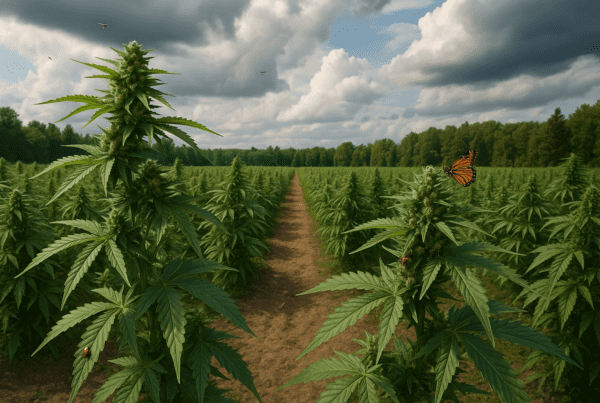
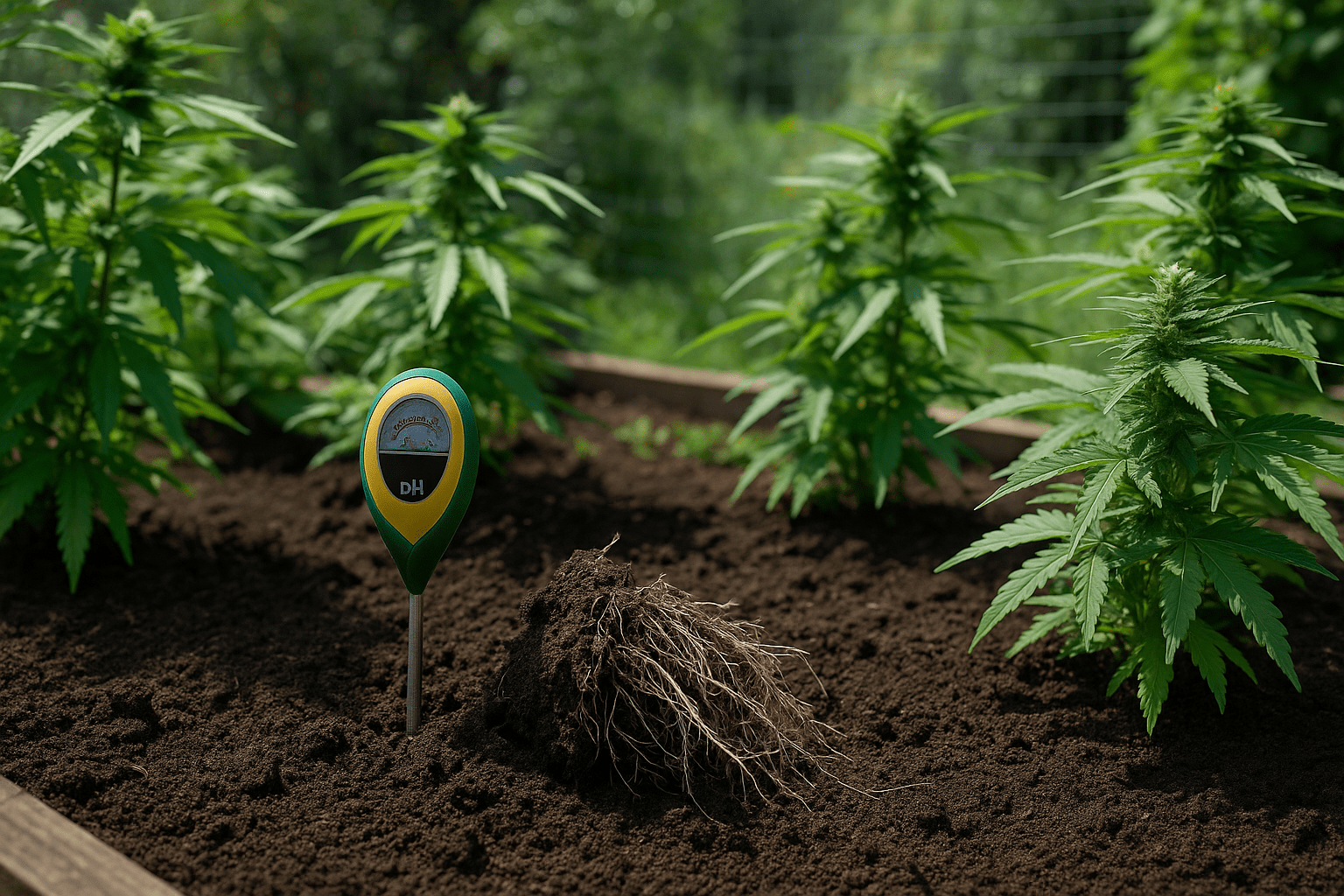
Outside, PH variability takes on an added layer of complexity. Soil in an open environment reacts to rain, temperature swings, and microbial activity, all of which influence acidity and alkalinity. Growers working outdoors often describe less precise control but compensate through responsive observation. Testing soil PH before planting and during key growth stages helps identify if supplementation or amendments are necessary.
Some veteran cultivators use natural inputs like compost teas, dolomite lime, or elemental sulfur to gently nudge soil PH toward preferred levels. These materials do not act instantly but can stabilize conditions over weeks. For instance, not correcting a sudden drop in PH after a heavy rain may be preferable if the soil naturally balances itself. Observing the plants’ reaction to the environment, rather than relying solely on numerical values, becomes a vital skill.
Since soil buffers PH changes better than hydroponic systems, some outdoors growers take a more relaxed approach. The trade-off is slower response times when issues arise. It is common to see growers rotating crops or planting cover crops to maintain soil health and prevent extreme PH swings season after season.
Nuances in Grower Experiences and Cultural Contexts
The ways growers handle PH shifts reflect not just technical understanding but also cultural habits and resources. In regions where commercial PH adjustment products are scarce or expensive, improvisation often steps in. A grower in Eastern Europe shared using acidic berry juices diluted in water to lower PH, a method drawn from familiar agricultural practices.
Moreover, the choice of growing medium plays a big role. Coco coir, for example, is notorious for its tendency to hold onto salts and fluctuate in PH, making continuous monitoring essential. Soil mixed with perlite tends to be more stable but still subject to environmental factors. Each medium also interacts with water differently, adding another layer of complexity growers have to juggle.
Finally, the scale of the operation influences how responsive growers can be. Hobbyists with a few plants may check PH sporadically and respond loosely, while commercial growers employ dedicated teams and instruments to maintain PH within narrow ranges. Still, even large-scale operations report episodes where PH drifted unexpectedly, forcing them to adjust nutrient formulas or dosing schedules sharply to avoid damaging crops.
All this illustrates the lived reality: PH management is less about perfection and more about balance, timing, and understanding plant signals alongside numerical data.
What Signals Do Plants Give When PH Swings Matter?
Cannabis plants signal nutrient stress in ways that often hint at underlying PH issues. Yellowing leaves, slow growth, and leaf curling can arise when PH shifts lock out essential nutrients like iron, calcium, or magnesium. Observant growers learn to interpret these signs alongside their PH measurements to decide if adjustments are urgent or minor tinkers.
The feedback loop between reading PH and watching plants grow steers many cultivation decisions. Experienced growers remark that sometimes the PH reading looks out of range, but if plants look healthy and vigorous, they may choose minimal interference, trusting the plant’s resilience and medium buffering capacity.
Conversely, if early signs of stress emerge, adjusting PH becomes a priority. This might involve flushing the medium or reservoir, switching nutrient solutions, or altering watering schedules to stabilize conditions more effectively. The process is part science, part intuition, refined by repeated seasons and environmental changes.
Conversations Across Grower Communities and the Lesson of Patience
Chat forums, grow journals, and community gatherings reveal that the dialog around PH is ongoing. No single approach suits every situation. Many growers share stories of chasing perfect PH numbers only to realize that a flexible, observant approach yields better results overall.
One common theme emerges: patience. PH fluctuations are impulses in a dynamic system rather than failures. Understanding which fluctuations demand immediate correction and which can be weathered is a key step in developing a resilient cultivation style. In this light, PH is not a strict rulebook but a conversation between grower, plant, and environment.
Over time, strategies evolve. New tools appear. Methods adapt to local conditions and resources. What remains consistent is the need to reckon with PH as a factor that requires ongoing attention rather than a one-time fix.
For those curious to dive deeper, resources from cooperative extension services and cannabis-specific cultivation platforms offer extensive information about PH ranges suited to cannabis and the science behind nutrient uptake under varying acidity. These sources can enrich understanding without losing sight of the real-world nuances growers experience daily.
Ultimately, watching how growers respond to fluctuating PH levels deepens our appreciation for the subtle interplay of chemistry, biology, and human care at the heart of successful cannabis cultivation.
Sources and Helpful Links
- Purdue Extension on Soil PH and Fertility, offering foundational details on soil chemistry relevant to cannabis growing.
- Maximum Yield’s look at PH Adjustment Methods, covering common tactics and product options used by cannabis cultivators.
- Grow Weed Easy guide on PH for Cannabis, a practical resource discussing PH ranges and plant responses.
- ResearchGate article on Soil PH Impact, delving into scientific research on PH influence in nutrient uptake for cannabis plants.