
Anyone who has grown cannabis outdoors or tried different soil mixes can tell that not all dirt is created equal. Beyond the usual checks of nutrients, pH, or texture, the invisible world beneath our feet exerts a profound influence on how a cannabis plant grows, resists stress, and ultimately tastes. It is the microbial populations-bacteria, fungi, and other microscopic organisms in the soil-that silently architect much of these plant experiences.
Unearthing the Underground Collaborators
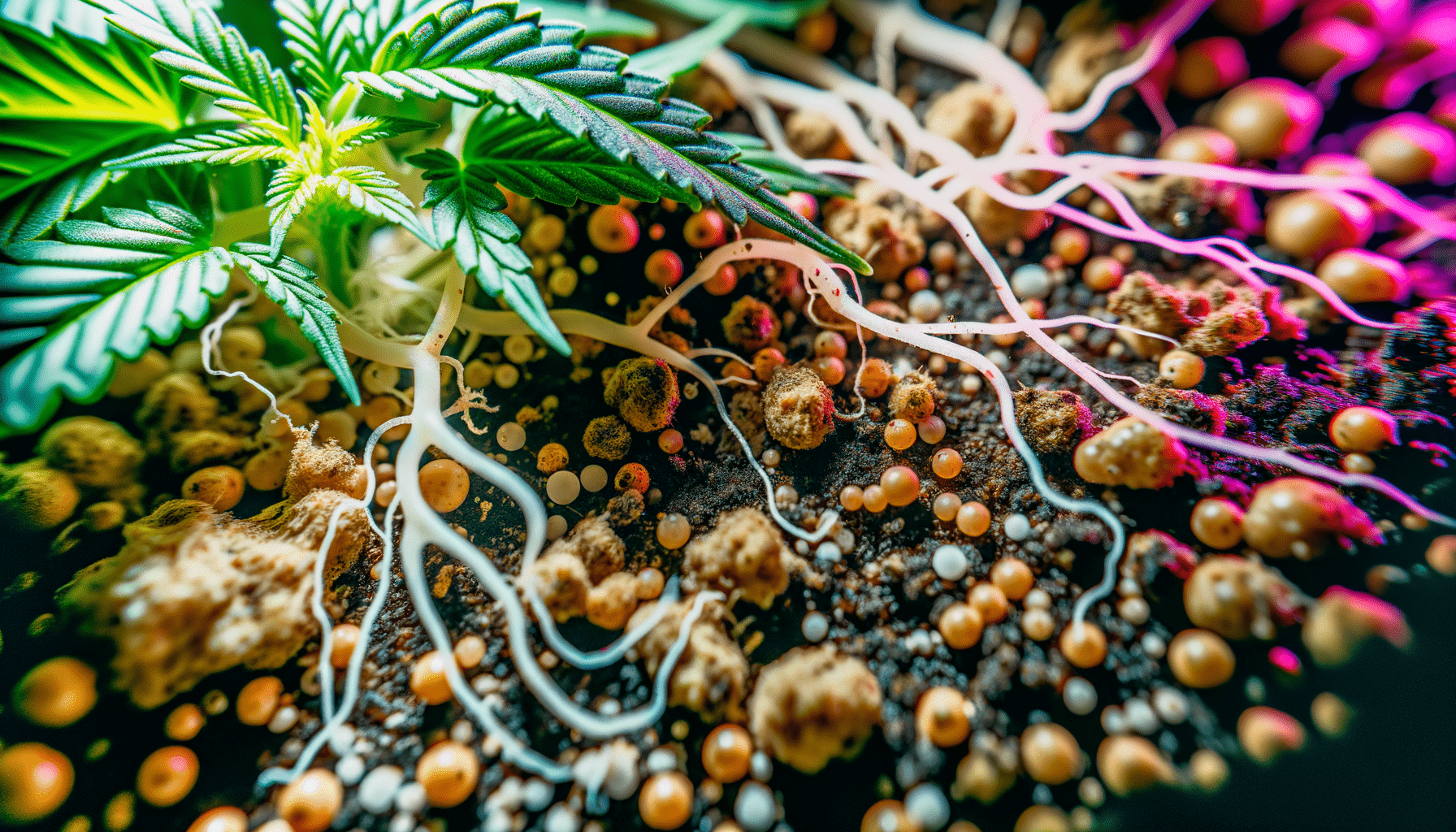
Soil is not just inert matter but a bustling ecosystem with countless microbes hitching rides on roots, feeding on organic debris, or even directly communicating with plants. While a grower might focus on fertilizers or water regimes, these microbes quietly alter nutrient cycling and availability. Beneficial bacteria, such as nitrogen-fixers, convert inert nitrogen into plant-usable forms. Certain fungi establish symbiotic relationships, known as mycorrhizae, wrapping around roots and extending the plant’s reach for water and minerals.
Such relationships do not simply boost growth by enhancing access to nutrients. Recent research indicates microbes can influence the chemical makeup of cannabis flowers, shifting terpene and cannabinoid profiles. This means microbes contribute to the smell, flavor, and effects, knitting themselves into the plant’s identity.
Take the example found in studies on terpenes, the aromatic oils in cannabis that create distinctive scents. Some soil fungi secrete compounds or stimulate pathways within the plant that heighten terpene production or diversity. This dynamic offers a deep reminder: flavor is not just a product of genetics or curing but, to some extent, shaped directly by soil life.
Variability Across Different Soils and Its Impact
Not all soils host the same microbial communities. Factors like local climate, plant history, soil management, and organic matter influence which microbes thrive. A sandy soil near a coastal area may harbor different fungi and bacteria than a clay-rich forest soil inland. Cannabis plants grown in these contrasting soils experience distinct microbial partnerships, affecting their resilience and flavor nuances.
In practice, this could explain why some strains taste earthier or resinous in one region but more floral or citrusy in another, even when the genetics are identical. It is a subtle combination of microbes encouraging certain biochemical pathways in the plant to become more active. For growers, embracing native microbial profiles or intentionally introducing beneficial microbes can be a way to coax unique flavors or improve plant health.
There is also the question of soil health cycles and how years of cultivation impact microbial diversity. Continuous cultivation without proper care may lead to microbial depletion, which can reduce the soil’s natural disease suppression or nutrient cycling capacity. Crop rotations with cover crops, organic amendments, or inoculations restore microbial balance and resilience, echoing practices seen in sustainable agriculture.
The Tug of War Between Beneficial and Harmful Microbes
While many soil microbes are allies, the microbial world also includes pathogens that can stress or damage cannabis plants. Root rot fungi or harmful bacteria can invade and weaken plant systems, leading to reduced growth or crop loss. The balance between beneficial and harmful microbes is delicate and influenced by soil conditions, moisture, and plant health.
This microbial tug of war shapes long-term outcomes for cannabis cultivation. Healthy, microbially diverse soils create natural barriers against disease, reducing the need for interventions such as fungicides. Moreover, a thriving microbial community performs continuous soil maintenance that supports plant vigor and flavor complexity.
Growers observing healthy roots coated in fungal networks and minimal disease pressure often tap into rich microbial activity without realizing it. On the contrary, sterile or poorly managed soils leave plants vulnerable both above and below ground. This dichotomy highlights how subtle microbial dynamics play out dramatically in real-world growing environments.
Interactions Beyond the Soil: Microbes and Cannabinoid Variation
Microbes operate not only underground but influence plant chemistry above soil level. Emerging research points to an interplay where microbial signals can trigger changes in cannabinoid biosynthesis. For instance, certain soil fungi produce bioactive molecules that plants interpret through their immune or metabolic systems, indirectly altering cannabinoid concentrations and ratios.
While the science is still evolving, anecdotal evidence from growers experimenting with microbial inoculants shows varied results in cannabinoid content and overall plant vigor. The exact mechanisms remain complex, involving multiple cellular pathways and environmental cues. It emphasizes the complexity behind cannabis chemistry and why standardized results often prove elusive across grows.
Understanding microbial impact also underscores the potential of terroir-a term borrowed from wine, referring to how geography, soil, climate, and microbes meld to create unique crop characteristics. Cannabis terroir incorporates microbial signatures as essential ingredients that imprint plants in subtle but meaningful ways.
Observation in the Grow Room and Field
On a practical level, paying attention to microbial conditions involves observing plant clues and adjusting cultivation practices accordingly. Early signs of robust microbial health show up as lush growth, vibrant colors, and a rich, complex aroma in flowers. Conversely, signs of imbalance include slow growth, nutrient deficiencies despite amendments, or recurring root diseases.
Some growers incorporate microbial teas or organic composts rich in beneficial organisms to seed their soils. Others manage moisture and aeration carefully to support the microbial ecosystem, knowing waterlogged or compacted soils kill beneficial populations. It is less about perfect control and more about fostering conditions where beneficial microbes can thrive and support the plant.
Ultimately, microbial populations remind us that cannabis does not grow in isolation. It is part of an ecological continuum where even tiny organisms in the dirt contribute to what we see, smell, and consume. This reality invites growers to think beyond just the plant and consider the living soil as a collaborator rather than just a growing medium.
In the evolving field of cannabis cultivation, the microbiome represents a frontier where biology and agriculture meet, promising insights and innovation that may enhance plant flavor and health while deepening our respect for the earth beneath our gardens.
For those interested in a deeper dive, the USDA Natural Resources Conservation Service offers extensive resources on soil biology. The National Institutes of Health provides access to research exploring plant-microbe interactions specifically in cannabis. Trade publications like Cannabis Industry Journal often cover practical approaches growers use to harness microbes. These sources help connect the dots from science to real-world growing.
At the intersection of microbiology and cannabis, the small actors beneath the surface quietly sculpt the story of every harvest.
Sources and Helpful Links
- USDA Natural Resources Conservation Service offering comprehensive information on soil biology and management
- National Institutes of Health study discussing the interaction of soil microbes and cannabis plants
- Cannabis Industry Journal featuring articles on microbial applications in cannabis cultivation