
For a long time, growers and consumers have attributed the flavor of cannabis primarily to genetics and the visible environment where the plant is grown, such as climate or sunlight. Yet in recent years, a quieter part of the story has been coming into sharper focus. Beneath the surface, literally in the soil surrounding roots, microbial communities are influencing not only plant health but nuances of flavor that help distinguish one region’s cannabis from another.
Plants and Microbes: An Unseen Partnership
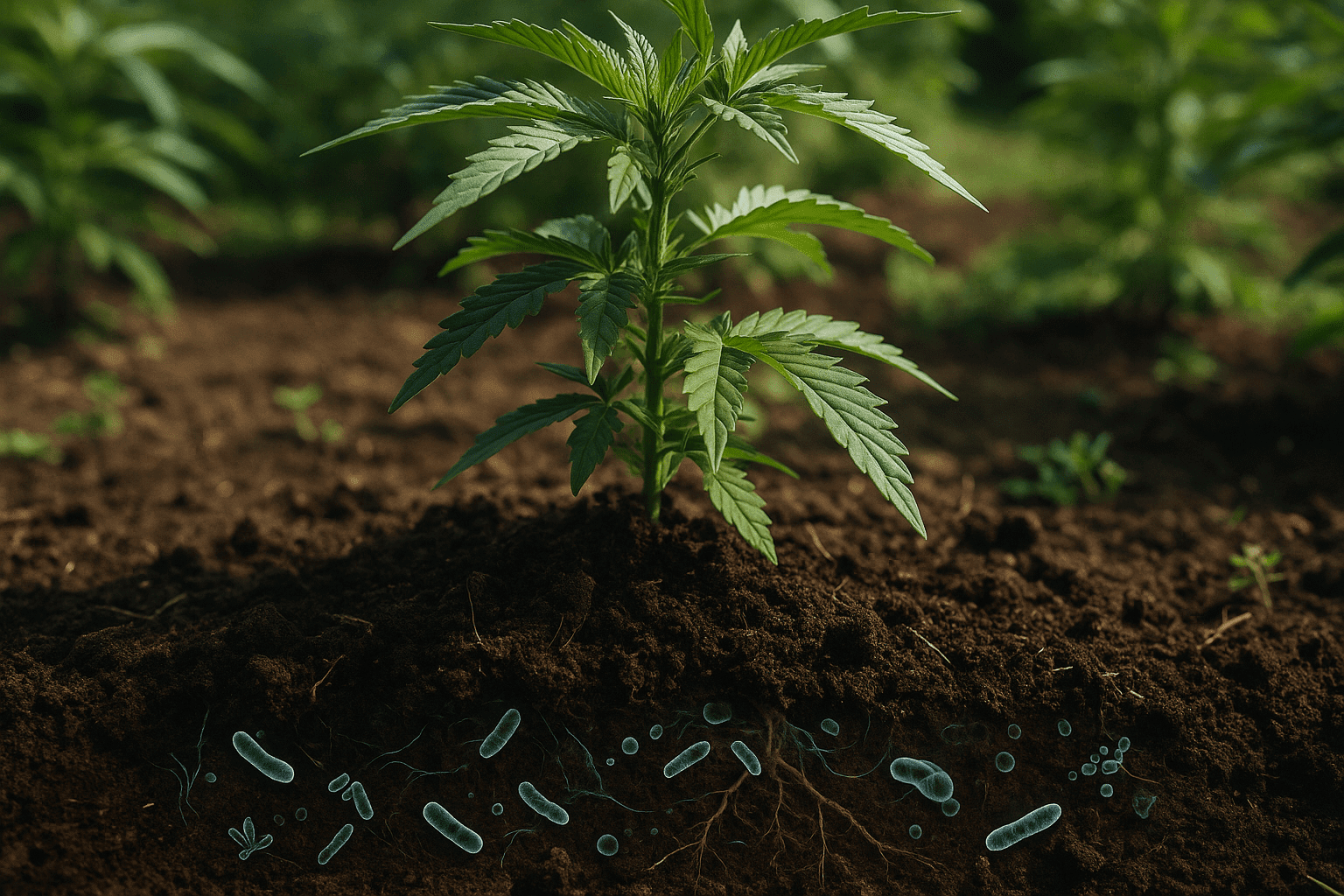
Cannabis plants do not grow in isolation. At their roots, a complex network of bacteria, fungi, and other microorganisms interact with the plant in ways that can affect nutrient uptake, stress resilience, and even chemical production. This microbial interplay is not unique to cannabis, but the plant’s remarkable chemistry seems particularly sensitive to these underground partners.
Soil microbes engage with cannabis roots through both cooperative and regulatory functions. For example, mycorrhizal fungi extend the root system’s reach, making scarce nutrients available. Certain bacteria promote hormone balance in plants or protect against pathogens. These relationships set the stage for terpene and cannabinoid production patterns that translate into real differences in aroma and taste.
A Regional Signature Carved in Soil Life
When cannabis from different regions is examined side by side, many factors are at play-altitude, temperature, sunlight, and human cultivation techniques. However, something less obvious emerges when growers and scientists pay close attention to the microbiomes beneath plants. Soil microbial communities vary widely depending on location, shaped by local climate, vegetation history, and farming practices.
In places known for distinctive cannabis profiles, recent research has begun linking regional microbial populations to variations in flavor profiles. For instance, growers in Oregon notice differences when moving from coastal areas to inland valleys, and lab analyses reveal shifts in microbial diversity and abundance corresponding to those sensory changes in the flower. The microbes themselves interact with the plant’s metabolism, nudging terpene pathways toward one bouquet over another.
Science Meets Cultivation in the Soil
Several studies have started to map these connections with tools like DNA sequencing and metabolite profiling. These techniques reveal which microbes dominate in certain soils and how their presence affects the plant’s production of compounds that influence flavor. While the field is still growing, the patterns point toward a more intricate picture of terroir in cannabis, comparable in some ways to how vineyards value soil characteristics for wine grapes.
On the cultivation side, some producers are beginning to experiment with inoculating soils using beneficial microbial blends selecting strains to encourage robust microbial partnerships. This can improve plant health and might also gently shape flavor characteristics. The process requires maintaining soil health and avoiding harsh chemicals that disrupt natural microbial balance.
What This Means for Growers and Consumers
For growers, the spotlight on soil microbial communities is a reminder that flavor is a product of dynamic, living systems rather than just genetic scripts or environmental boxes. Maintaining vibrant soil microbiomes could become a key cultivation philosophy alongside light cycle management and nutrient formulas.
Consumers might start seeing more explicit recognition of terroir not just in strain names but in soil and microbial conditions cited as part of the experience. As cannabis markets evolve, the richness of flavor diversity driven by unseen microbial forces may become a point of pride, much like terroir in specialty coffee or wine.
While much is still being explored, the growing visibility of soil microbes as contributors to cannabis character presents an inviting frontier. It blends traditional cultivation wisdom with modern science, encouraging everyone involved to consider what really shapes the plants they grow and enjoy.
For those interested, detailed information on soil health and microbial roles for cannabis growers can be found through university agricultural extensions or specialist research hubs. This knowledge reinforces a simple but profound truth about cannabis: its story extends below ground as much as it does above.
As research expands, it remains to be seen how far the nuances of soil microbial communities will influence commercial cultivation practices or consumer preferences. Yet the conversation around regional cannabis flavors now includes the invisible life in the soil, opening new ways to think about what makes cannabis taste and feel unique.
Engaging with these microbial communities, considering the soil as an ecosystem rather than just a substrate, is already shifting perspectives. It invites growers to adopt practices that promote soil vitality, from reduced tillage to organic amendments and microbial inoculants. The hope is to nurture a thriving subterranean world that, in turn, supports distinctive and high-quality cannabis crops.
In that shared soil lies not only nutrients but the potential for flavor that reflects place as much as the plant genome. Watching this unfold is a subtle but meaningful chapter in the evolving cannabis culture and science.
Further reading and resources from the USDA and specialized cannabis cultivation sites offer valuable insights for anyone looking to understand or harness soil microbial dynamics. These underground partners remind us that flavor and quality often arise from relationships, some of which only reveal themselves by looking beneath the surface.
Observing these microbial communities is a reminder of the complexity behind what many take at face value-the simple pleasure of cannabis aroma and taste. The growing body of research and cultivation experiences points toward a future where soil health and microbial literacy become standard topics among cannabis cultivators and connoisseurs alike.
As growers and researchers continue to explore, the invisible world of soil microbes may soon be seen as essential as genetics or growing environment in shaping the true character of cannabis harvests.
Such an understanding reminds us that every puff carries a story, some written in the genome, others traced in the life beneath the roots.
For anyone observing cannabis cultivation, these microbial tales invite a shift in perspective-considering the ground not just as dirt but a lively, emerging influence on what ends up in the jar.
Connecting soil science and flavor science offers a richer, more grounded appreciation of the plant’s journey from seed to sensory experience. It is a narrative unfolding quietly beneath our feet, but one whose effects are tasted and appreciated by many.
Looking ahead, one might imagine future cannabis labels including microbial origin or soil health ratings alongside THC or terpene profiles. While this remains speculative, the serious study of soil microbes in cannabis today suggests that flavor and quality are more layered than previously known.
This growing awareness marks a subtle shift toward whole-plant and whole-soil thinking, a reminder that nature’s complexity often defies simple explanations but yields rich rewards for those paying attention.
Ultimately, the quietly thriving microbial communities in cannabis soils help remind us how interconnected cultivation really is, weaving together biology, environment, and human care in a shared story of plant flavor and identity.
Those interested in digging deeper into this topic may find value in resources like [USDA Soil Health](https://www.usda.gov/topics/soil-health) or cannabis cultivation guides that address microbial roles, such as those offered by [Leafly](https://www.leafly.com/news/cannabis-101/soil-and-cannabis-growing-understanding-soil-microbes). Emerging research papers and university agriculture departments remain good sources for up-to-date insights linking soil microbiology and plant chemistry.
This exploration serves as a solid example of how cannabis cultivation increasingly blends traditional knowledge with current science, enriching the entire community of growers and consumers.
As we observe these developments, the invisible soil life beneath cannabis plants becomes a visible part of the larger conversation about what shapes regional flavors, ultimately broadening the appreciation of cannabis diversity across places and practices.
Sources and Helpful Links
- USDA Soil Health – Official portal for soil health initiatives and resources from the United States Department of Agriculture.
- Leafly on Soil Microbes and Cannabis – A detailed look at how soil microorganisms influence cannabis cultivation and plant health.
- Penn State Extension on Cannabis Soil and Microbial Activity – University science-based guidance on managing soil microbes for cannabis growing.