
Seasonal shifts and daily temperature fluctuations have always been a factor for cannabis cultivators, but recent observations suggest that unexpected swings in temperature might be more influential than traditionally thought. When mercury levels rise and fall sharply, cannabis plants react in ways that ripple through resin production, plant health, and ultimately the final product’s quality.
Flickers of heat and cold among the trichomes
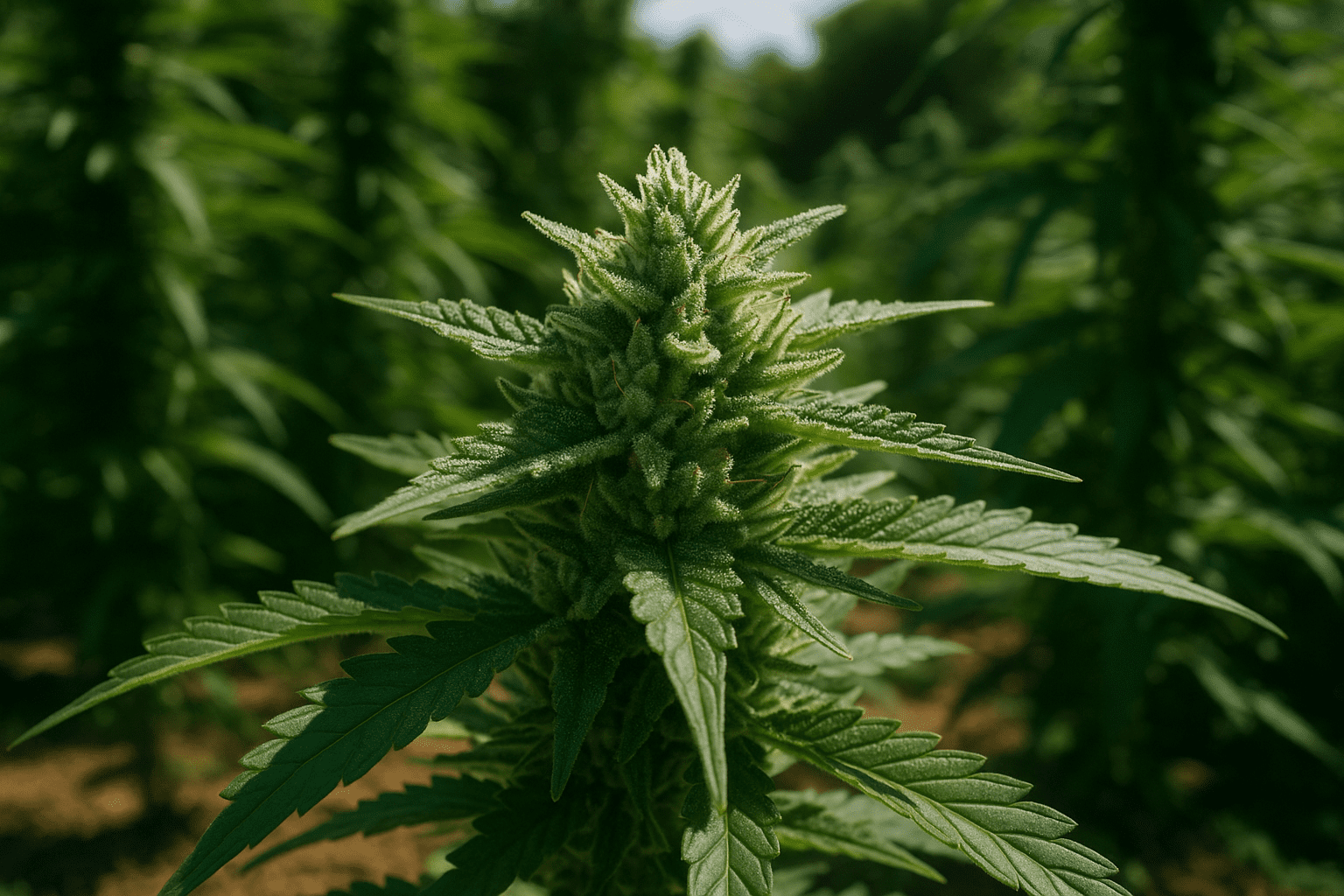
For growers who watch their plants closely, resin is more than a sticky layer; it is the product of a complex set of plant responses. Trichomes secrete this resin, rich in cannabinoids and terpenes, as a defense mechanism among other biological roles. When temperature shifts abruptly, these defensive systems can be triggered in altered ways.
Some growers report spikes in resin density after brief cooler nights following warmer days. This phenomenon aligns with the plant’s natural reaction to potential environmental stress. Cooler temperatures may slow down metabolic processes, allowing cannabinoids and terpenes to accumulate more fully, while warmth establishes the energy needed for biosynthesis.
Yet, this relationship is far from straightforward. Sharp, unexplained drops or rises outside the expected range can shock a plant, sometimes stressing it too much. The stress response might suppress rather than enhance resin output if the plant prioritizes survival over production.
Where sudden temperature changes fit in a grower’s toolkit
Long-term cultivators have learned to use environmental controls to nudge plants toward optimal resin development. Balancing temperature and humidity is a delicate art, and unexpectedly severe swings complicate this balance. A greenhouse environment can sometimes buffer changes, but outdoor grows are at the mercy of the weather’s whim.
Temperature swings can delay flowering or cause irregularities in bud formation, which directly affect resin quality. Some genetics respond better to rapid changes by thickening resin layers, while others become more susceptible to nutrient deficiencies or disease, which then undermines overall resin health.
Rather than purely negative, the stress from temperature fluctuation can act like a wake-up call for the plants, intensifying resin production for a short window. This is especially seen in cultivars bred for resilience or ones acclimated to variable climates. However, it’s a gamble. Too much stress can lead to lower yields or weaker resin chemistry.
Trichome types and temperature sensitivity
Trichomes come in different forms – bulbous, capitate-sessile, and capitate-stalked – each with distinct roles. The capitate-stalked trichomes are the main producers of cannabinoids and terpenes, and their responsiveness to environmental factors like temperature variations is crucial.
Temperature changes can influence trichome density, size, and the profile of compounds they contain. Higher temperatures generally accelerate development but may reduce terpene preservation, while cooler temperatures support terpene longevity but can slow trichome growth. Sudden swings throw these natural tendencies into a state of flux.
In practical terms, a grower might notice shifts in aroma and potency following unsteady temperature conditions. The balance of cannabinoids-such as THC and CBD-and terpenes responsible for flavor can be altered, revealing subtle changes that only a seasoned nose or lab analysis might detect.
Looking beyond temperature to integrated environmental effects
Temperature does not work alone. Changes in humidity, light intensity, and airflow are tightly interwoven with temperature effects. For example, a rapid drop in temperature paired with high humidity can encourage mold growth in dense buds, which is detrimental to resin quality.
Moreover, temperature swings during the night can affect respiration cycles and energy use within the plant. This alters how much energy the plant can allocate to resin production. Extended periods of uneven environmental conditions put the plant in a continuous catch-up mode, sometimes resulting in uneven maturation.
It is worth noting that local climate trends and microclimates within growing spaces subtly shape these effects. In arid regions, temperature drops might not produce the same response as they do in more humid areas. Observations from various geographic contexts contribute to a better understanding of how cannabis adapts both genetically and phenotypically to unexpected temperature variations.
The complexity means that growers need to measure and monitor their environment carefully rather than assuming stable results. Innovations in climate control technology and detailed phenotyping can help track these subtle responses over time.
As research into cannabis cultivation deepens, examining how temperature swings affect resin production leads to questions about optimizing conditions for different strains and cultivation goals. Whether prioritizing medicinal potency, flavor, or yield, understanding this environmental interaction is growing into an essential part of precision cultivation.
While awaiting more scientific clarity, growers’ experiences highlight a fundamental reality: cannabis is an adaptable plant, shaped by the environment through dynamic physiological responses. The interplay between sudden temperature shifts and resin production captures this adaptability at the biochemical level.
Following these cues and considering unexpected temperature effects allows for a more nuanced approach to growing. It acknowledges the plant’s responsive nature rather than forcing it into a rigid system, a subtlety that can make all the difference between a good harvest and an exceptional one.
Few aspects of cultivation are quite so quietly complex as the response of cannabis resin to the unpredictable moods of temperature, and there is value in simply observing, documenting, and engaging with this reality over the seasons.
For those interested in further exploring the chemistry and cultivation techniques influenced by environmental factors, resources like Project CBD and the University of California’s cannabis research provide a solid grounding for understanding these nuances in depth.
Whatever your growing setup, keeping an eye on temperature swings and their unfolding effects can open new insights into resin quality and plant health.
Sources and Helpful Links
- Project CBD offers detailed information on cannabinoids, terpenes, and their relationship to plant chemistry.
- University of California Cannabis Research features ongoing studies about Cannabis cultivation and environmental effects.
- Leafly explains the basics and nuances of trichomes and resin production in cannabis.