
Many cannabis growers working outdoors have noticed that the pest landscape does not remain constant year after year. While it may be tempting to chalk these changes up to normal seasonal variation, a deeper look at climate variability reveals a more complex and dynamic relationship. Weather patterns, such as temperature fluctuations, abnormal rainfall, and shifting humidity levels, influence the behavior, proliferation, and survival of pests that impact cannabis plants in real-world conditions.
Shifting Weather in Outdoor Cannabis Environments
Outdoor cultivation is always at the mercy of the natural environment, unlike controlled indoor grows. Each growing season, the weather can vary enough to affect plant development and the ecosystems that surround them. When temperatures stray from the average ranges or precipitation patterns become unpredictable, it sets a chain reaction in motion for organisms that interact with cannabis plants. Pests are often among the most sensitive to these changes, given their short life cycles and dependence on specific conditions.
For instance, a warmer spring with early warming can extend the active period of certain insects, enabling multiple generations within a season rather than just one. Conversely, a wet, cold growing season might slow down pest activity but create opportunities for fungal problems, complicating the overall pest and disease picture. Recognizing how cannabis pests react to this climate variability has become increasingly important as growers observe differences from previous years.
A Closer Look at Common Pests and Climate Influence
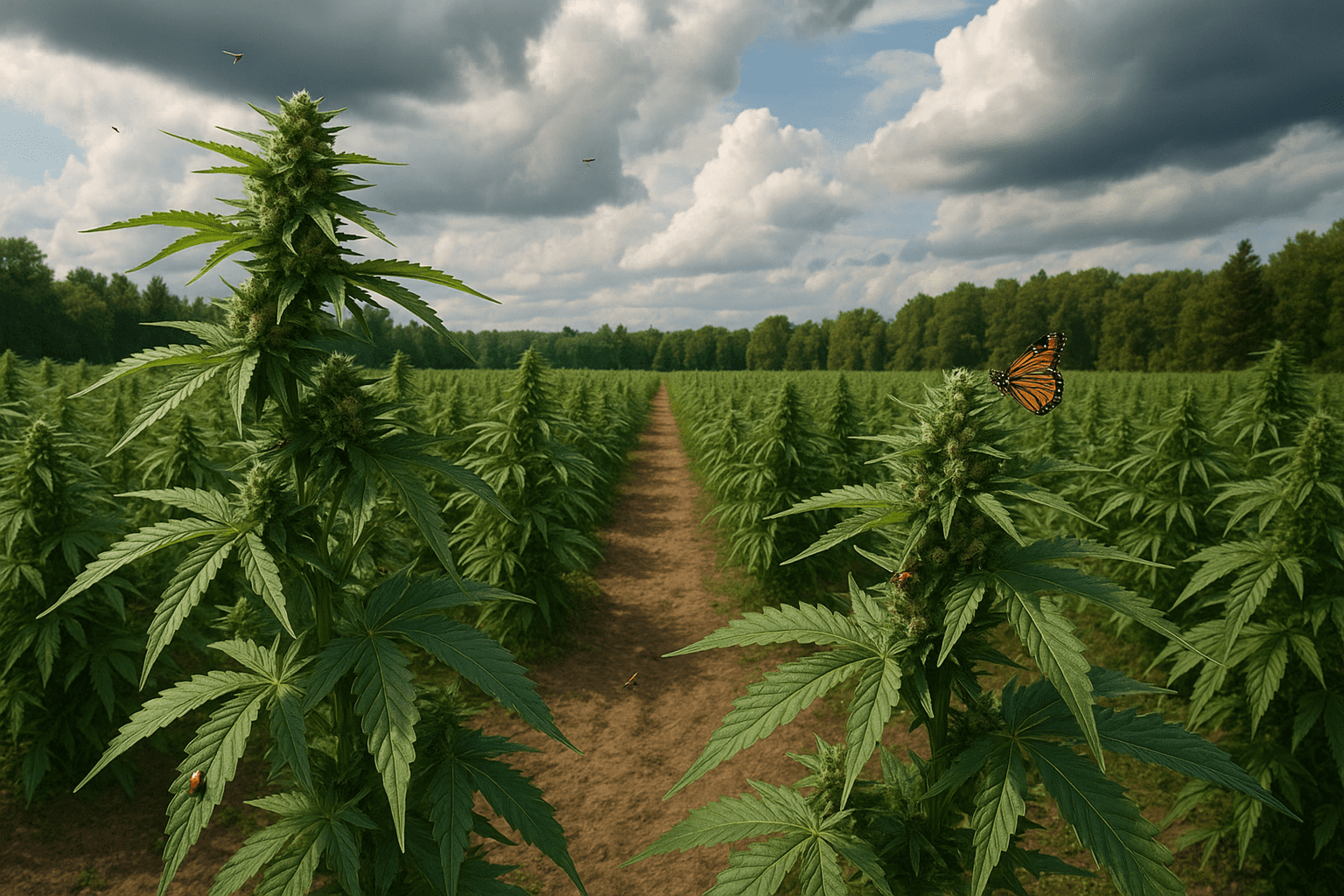
Spider mites, aphids, and broad mites are a few of the notorious troublemakers outdoors. Spider mites thrive in hot, dry weather, where higher temperatures accelerate their reproductive cycle. When seasons trend warmer and drier, populations can explode swiftly, overwhelming plants. These tiny pests often cause unexpected damage when conditions align just right. On the other hand, aphids might prefer slightly cooler or more humid weather but also exhibit adaptability. Fluctuations in humidity tied to erratic rainfall patterns directly affect aphid survival and the presence of their natural predators like ladybugs.
Broad mites, which are less visible but equally destructive, also show sensitivity to environmental conditions. Their spread can be affected by shifts in temperature and humidity, making them sneaky adversaries during unusual weather patterns. In some regions, growers have reported that broad mite outbreaks now occur earlier or last longer than they used to, coinciding with extended warm periods or damp weather. This kind of anecdotal pattern has started to connect with broader climate observations.
Range Expansion and Emerging Threats
One notable impact of climate shifts is the geographic redistribution of pest populations. Warmer temperatures have facilitated the northward movement of some insect pests into regions where cannabis outdoor cultivation was previously less affected. This expansion challenges growers who may not have had to contend with certain species or pests historically. For example, certain aphid species once limited to southern climates are appearing more frequently farther north, thanks to milder winters.
This movement does not only include insects but also plant pathogens vectored by pests that were previously confined to specific areas. Warmer winters and prolonged growing seasons provide chances for pests and diseases to establish and persist in new environments. The USDA Plant Hardiness Zone updates indirectly tell part of this story by reflecting temperature shifts that make landscapes more hospitable for these newcomers.
Implications for Growers Navigating an Unpredictable Pest Landscape
For growers cultivating cannabis outside in regions facing notable climate variability, adapting pest management becomes a complicated task. Traditional calendars and schedules for monitoring and treatment may no longer hold true. Observing pest populations in real time and tracking weather patterns locally emerges as an essential part of a good cultivation strategy. Some pest control approaches-such as introducing beneficial insects or targeting specific life stages-depend heavily on timing, which can become less predictable.
Additionally, the interaction between pests and cannabis cultivars might shift. Plants developed and tested under previous climate conditions may respond differently when exposed to new pest pressures driven by altered weather. This could mean a cultivar once considered resistant or resilient needs reevaluation under changing pest dynamics. A USDA National Institute of Food and Agriculture overview notes the importance of integrated pest management strategies that incorporate monitoring, cultural controls, and biological measures tailored to evolving conditions.
Looking Beyond the Immediate Season
Climate variability does not only affect a single growing season but sets a trajectory for how pests evolve and adapt to new norms. Some insect populations may benefit genetically from longer breeding periods or increased survival, potentially leading to more virulent variants. Meanwhile, ecosystems surrounding cannabis fields, including pollinator and predator populations, face pressures that ripple outwards.
Researchers in agricultural entomology continue to study how broader climate trends impact pest ecosystems, but the emerging consensus suggests that growers need to be prepared for more uncertainty. Building observation habits, relying on local or regional data, and staying informed about regional pest trends can help outdoor cultivators manage these changes without resorting to blanket measures that may harm the broader environment.
Ultimately, the story of climate variability and outdoor cannabis pests is one of ongoing adjustment. It is part of a larger picture including water availability, soil health, and plant variety selection. While the growing environment may never be predictable, staying attuned to the patterns in pest activity linked to weather can make a crucial difference in cultivation success.
With open eyes and patience, growers learn to read subtle signs from their crops, the insects they contend with, and the shifting climate around them. This interplay, while complex and sometimes frustrating, reveals the resilience of both plants and those who nurture them.
For further reading on outdoor pest management and environmental influences, resources such as UC Davis Integrated Pest Management offer broadly useful insights grounded in extensive research and practical field experience.
Sources and Helpful Links
- United States Department of Agriculture – General information on climate and agriculture including updates on plant hardiness zones.
- USDA National Institute of Food and Agriculture – Support and research on integrated pest management and agricultural adaptation.
- UC Davis Integrated Pest Management – Comprehensive guides and research on managing pests in crops under varying environmental conditions.
- NASA Climate Effects – An overview of how climate variability affects ecosystems globally.