
In cannabis cultivation, the spotlight often falls on lighting, nutrient regimens, or environmental controls experienced at the canopy level. Yet just beneath the surface, an invisible world quietly shapes the fate of each plant. The root microbiome, a bustling community of bacteria, fungi, and microscopic life inhabiting soil around cannabis roots, holds influence that cultivators are only beginning to grasp.
A World Beneath the Roots That Matters
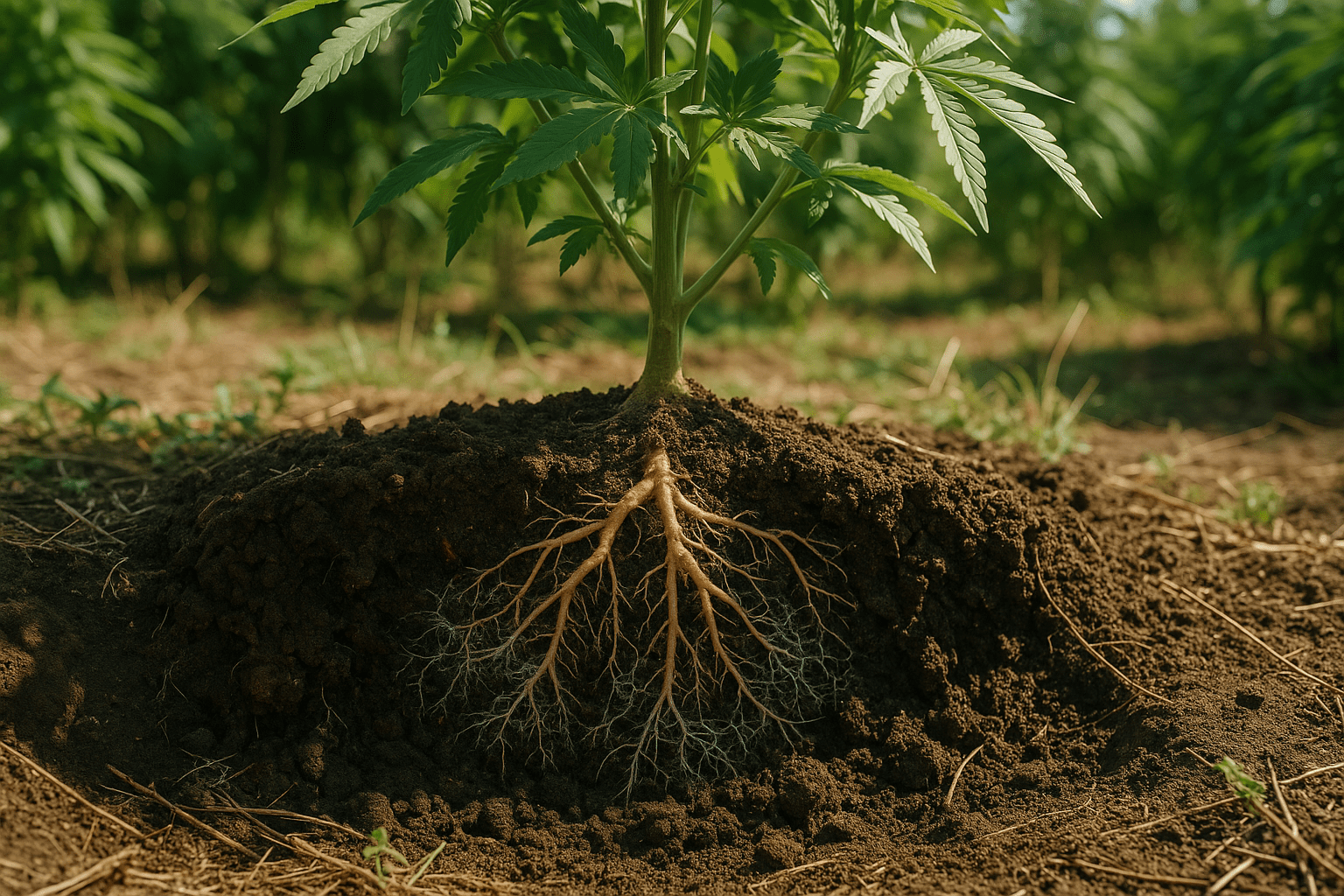
If you take the time to consider what the roots encounter underground, the soil is less a static medium and more a dynamic ecosystem. This rhizosphere zone is a lively meeting place where cannabis roots and microorganisms communicate and exchange nutrients. For example, fungi called mycorrhizae can extend far beyond root hairs, tapping into phosphorus and other minerals inaccessible to roots alone while microbes like plant growth-promoting rhizobacteria assist in nutrient cycling and help suppress pathogens with subtle biochemistry.
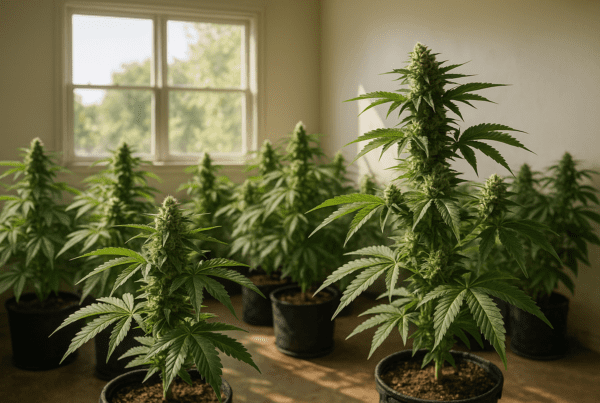
Experienced growers often notice that soils rich in these beneficial microbes tend to produce plants that look visibly healthier. They display robust stems, lush foliage, and a natural capacity to fend off certain diseases and pests. The relationship is not about adding a microbial potion and expecting magic. Rather, it is about fostering an environment where these organisms can thrive in harmony with the plant’s needs.
Lessons from Observations in Different Cultivation Settings
Those working with living soils or amended organic mediums report clearer signs of microbiome activity compared to growers who rely heavily on inert coco coir or hydroponic systems. The diverse community living near roots improves nutrient extraction efficiency and helps buffer plants against sudden stress or disease pressure. Yet, it is not a guaranteed consistent effect. Variations in microbial populations from batch to batch, or shifts caused by watering or pH changes, sometimes manifest as surprising differences in plant growth or health from one grow cycle to the next.
Another key insight growers share is how sensitive these microbial communities are to cultivation practices. Overuse of sterilizing agents, synthetic chemicals, or frequent soil disturbances can disrupt microbial balance, while gentle practices that leave some organic matter intact support a richer, more resilient microbiome. This complexity often means that single-species inoculants do not replicate the benefits of broadly diverse living soil that develops naturally over time.
Scientific Evidence Adds Depth to Cultivator Wisdom
Scientific research increasingly lines up with what growers have seen in their gardens. Studies track how cannabis roots attract specific microbes and how these populations differ with changes in environment, soil type, and feeding strategies. They confirm the role of plant growth-promoting rhizobacteria in stimulating root development and enhancing nutrient uptake, alongside the importance of various mycorrhizal fungi networking with the plant.
Still, science highlights the complexity of these relationships. Root microbiomes interact with genetic differences in cannabis varieties, soil chemistry, and environmental factors, defying one-size-fits-all conclusions. It calls for cultivators to experiment and tailor approaches rather than rely on universal microbial recipes.
Shifting Perspectives on Soil and Plant Care
Many growers are embracing a more ecological perspective, viewing soil biology as an active partner rather than an inert backdrop. This mindset encourages practices such as reducing soil sterilization, integrating organic soil amendments, and avoiding excess chemical applications. Microbial supplements like compost teas or blends designed to support fungi and bacteria may be added, but their success hinges on compatible and stable soil conditions.
Growers report the best results when they think of microbial communities as part of a broader system involving plant genetics, climate conditions, and nutrient management. Microbiomes offer notable benefits but require thoughtful integration rather than quick fixes.
There is also recognition that microbiomes sometimes behave unpredictably. Just as natural ecosystems fluctuate, root communities can shift with subtle changes in moisture, temperature, or feeding schedules, reminding growers that cultivation remains an art intertwined with biology.
A Quiet Revolution in Cultivation Awareness
This growing attention to underground microbial life reflects a broader shift toward holistic growing, where plant health depends on complex and interconnected systems. By focusing on the root zone’s bustling minute inhabitants, cultivators deepen their appreciation for the unseen forces contributing to cannabis vigor and resilience.
For those drawn further into this subject, reliable resources help decode the science behind these relationships. For instance, the National Institutes of Health’s PubMed Central offers in-depth, peer-reviewed articles on plant-microbe interactions and rhizosphere ecology. Cannabis-focused outlets add practical interpretations aligning closely with grower experience on how these microbial partnerships play out in real-world settings.
Walking through a cannabis garden with awareness of these microbial partners enriches the understanding of cultivation as a dance between plant and environment that extends below the soil surface. Recognizing root microbiomes as living collaborators encourages patience and respect for the biological complexity that underpins thriving cannabis cultivation.
Sources and Helpful Links
- PubMed Plant Growth-Promoting Rhizobacteria – Research on beneficial bacteria associated with plant roots.
- NCBI Article on Plant-Microbe Interactions – Peer-reviewed insights into rhizosphere microbial dynamics.
- Leafly Report on Root Microbiomes – An overview from a cannabis cultivation perspective.