
Within home grow rooms and small-scale setups, more cultivators are becoming aware of the nuances that come with slowly increasing carbon dioxide levels in the growing environment. Unlike controlled commercial operations where CO2 is often added in a measured and constant way, home growers tend to observe gradual rises, sometimes without fully intending to alter levels. This shifts the conversation to real-world impacts and the subtle signs plants give when responding to these changes.
When CO2 Moves Slowly, Plants Show It Differently
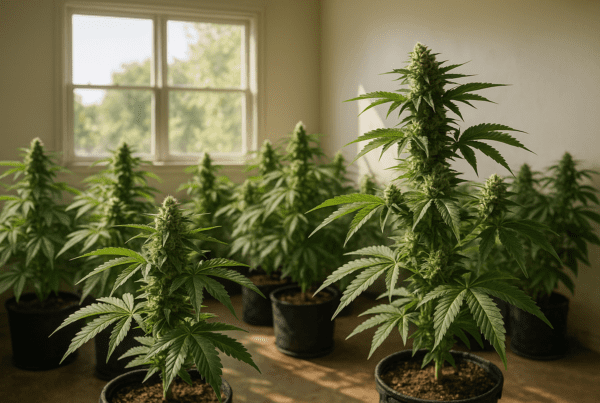
One of the observations popping up in grower communities involves how cannabis plants respond to a gradual uptick in CO2 compared with rapid injections. Instead of a sudden growth spurt, plants tend to show incremental changes that can be easy to miss unless you are paying close attention. Leaves might get a little glossier or the internodes stretch slightly longer, but the effect doesn’t feel as dramatic as some commercial setups advertise. This slow change sometimes mirrors what researchers have noted about plant physiology, where acclimation happens partly through adjustments in stomatal behavior, affecting gas exchange over time.
For home growers, this means watching the plants over several days to weeks instead of expecting instant results. It is also common to notice that these changes aren’t uniform across all parts of the plant. Younger leaves and lower branches sometimes react differently than the upper canopy, raising a question about airflow and how evenly CO2 is distributed in a smaller space.
Balancing CO2 with Light and Nutrients Becomes More Complex
Another layer to this is the relationship between CO2 and other growing factors like light intensity and nutrient availability. Slowly rising CO2 can allow plants to photosynthesize more efficiently, but only if they have the energy from light and enough nutrients to process that energy into growth. Growers who increase CO2 without adjusting other inputs sometimes find no improvement or even signs of nutrient imbalances, such as leaf discoloration or unusual growth patterns.
In confined and often less evenly ventilated home settings, this balance seems especially delicate. A few experienced cultivators have pointed out that CO2-related gains seem limited unless they synchronize with adjustments in lighting schedules or nutrient formulas. In practical terms, this means a slightly higher CO2 level might force adaptations in watering regimes or feeding schedules just to keep things steady.
Ventilation and Air Movement Play a Silent Role
Many reports emphasize that the way air moves around cannabis affects how plants react to CO2. When CO2 rises slowly, stagnant pockets of air in corners or near the ground can create uneven exposure. Some growers report that fans and air circulation have become even more critical to making the most of elevated CO2 levels.
Insufficient air movement might dampen the expected benefits by leaving parts of the canopy starved of carbon dioxide, which quietly explains why some plants do not respond as anticipated. This has pushed some hobbyists to experiment more carefully with fan placement or adding small circulation devices to reach lower growth zones, ideas that sometimes mimic commercial ventilation practices but on a smaller scale.
Environmental Variability Affects How Slowly Rising CO2 Plays Out
Outside of pure technical adjustments, growers have noticed that temperature and humidity variations also influence how cannabis plants handle slow CO2 increases. Higher temperatures can speed metabolism, thus potentially amplifying the effect of elevated CO2, but also raising stress in some cases. Meanwhile, humidity shifts interact with stomatal regulation, which ties back to how CO2 is absorbed and used.
This dynamic sometimes causes a creeping unease among home growers who lack more sophisticated environmental controls. The slower nature of CO2 change means its effects overlap with daily or seasonal weather fluctuations, complicating efforts to isolate what is driving a particular plant response. Rather than a single factor triggering growth shifts, it often feels like a web of influences operating at once.
Considering these observations, it is understandable why home growers tend to adopt a patient, observant stance when adjusting CO2. Slowly rising levels, unlike sudden exposure, invite a kind of dialogue with plants rather than a quick mechanical response.
Tracking and Measuring CO2 With Simple Tools
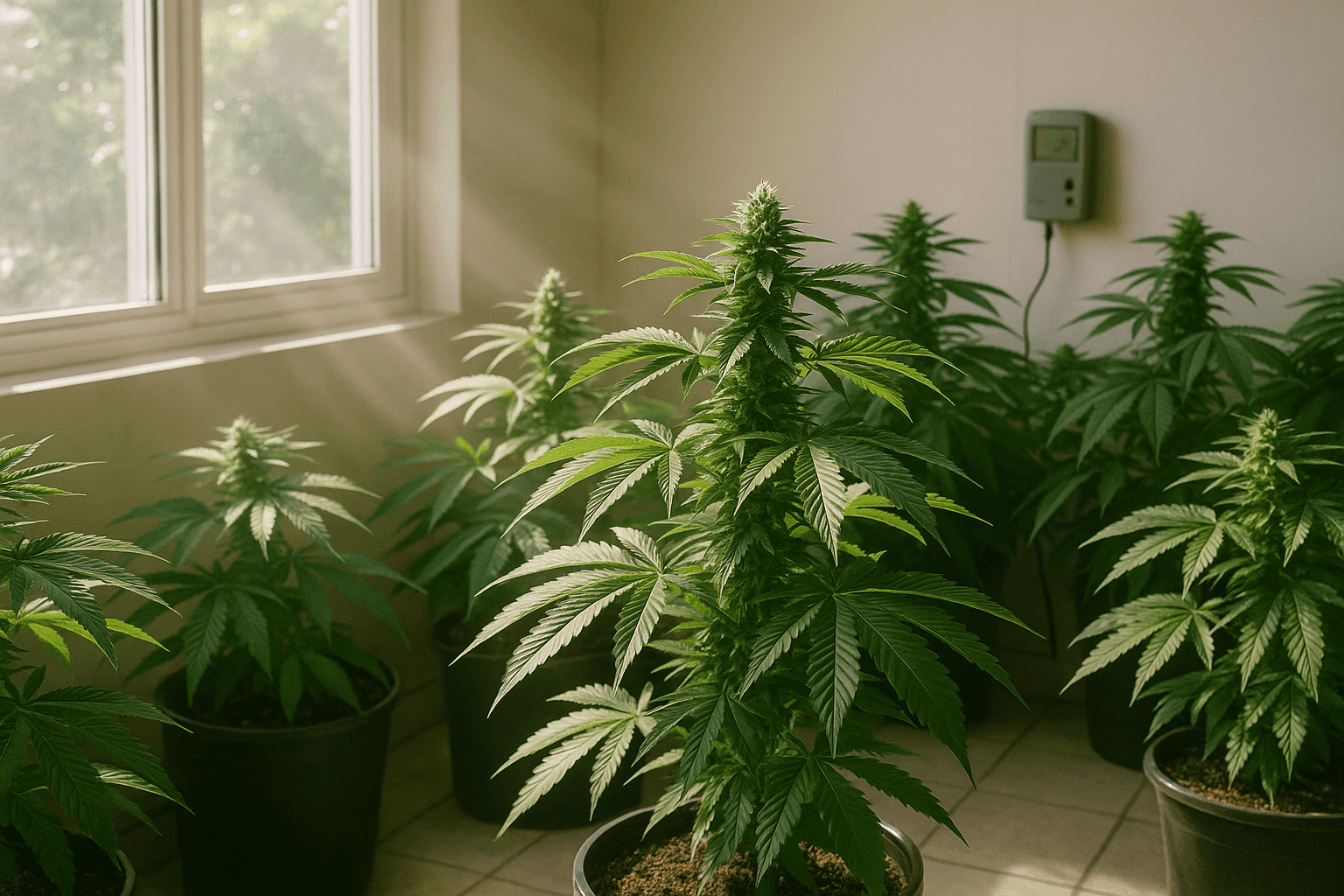
Because of these nuances, measuring CO2 has become more of a hobby in itself. Small devices that are affordable enough for home growers to place inside tents or rooms have opened up a new angle to understanding plant behavior. Some cultivators show surprise at seeing how CO2 levels fluctuate naturally during light and dark cycles, with values rising during photosynthesis peaks then dropping back.
This uneven pattern encourages a hands-on approach to adjustments, where growers tweak ventilation or CO2 sources gradually based on readings and plant moods. Observing such patterns contrasts sharply with older advice that assumed a fixed CO2 target regardless of environment, highlighting how the process feels less like flipping a switch and more like tending a slowly evolving system.
Even the variety of cannabis plays a role. Some reports suggest that certain strains might be more sensitive or responsive to these gentle CO2 rises, which adds a layer of genetic mystery and personal experimentation to the mix.
Ultimately, the picture emerging for home growers is one of increased attentiveness and adaptability. Slowly rising CO2 levels do not guarantee rapid gains but contribute to a complex environmental dance where each piece matters.
Informed by brewing experiences and shared insights, growers are cultivating a practical wisdom that embraces the gradual pace of change and the subtle signals plants send out when conditions shift.
For more on controlled environment insights and CO2’s role, resources like the Cannabis Business Executive offer industry-focused analysis, while growers can find practical perspectives on Leafly’s cannabis education section. For deeper environmental science, the Penn State Extension page on greenhouse CO2 management provides foundational concepts useful to indoor growers.
Witnessing cannabis plant responses to slow CO2 changes offers a grounded view into the living intricacies of home cultivation. Rather than expecting magic from a single tweak, recognizing these subtle shifts brings home growing closer to a dialogue with the plants, paced by patience and practical observation.
That makes gardening cannabis less of a science experiment and more of an ongoing conversation, where the slow rise of CO2 is just one chapter in a larger story of watching, adjusting, and learning.
Sources and Helpful Links
- Cannabis Business Executive, a resource for market and cultivation insights in the cannabis industry
- Leafly’s cannabis education section, providing practical knowledge on cannabis cultivation and uses
- Penn State Extension CO2 management, educational material on CO2 applications in controlled environments