
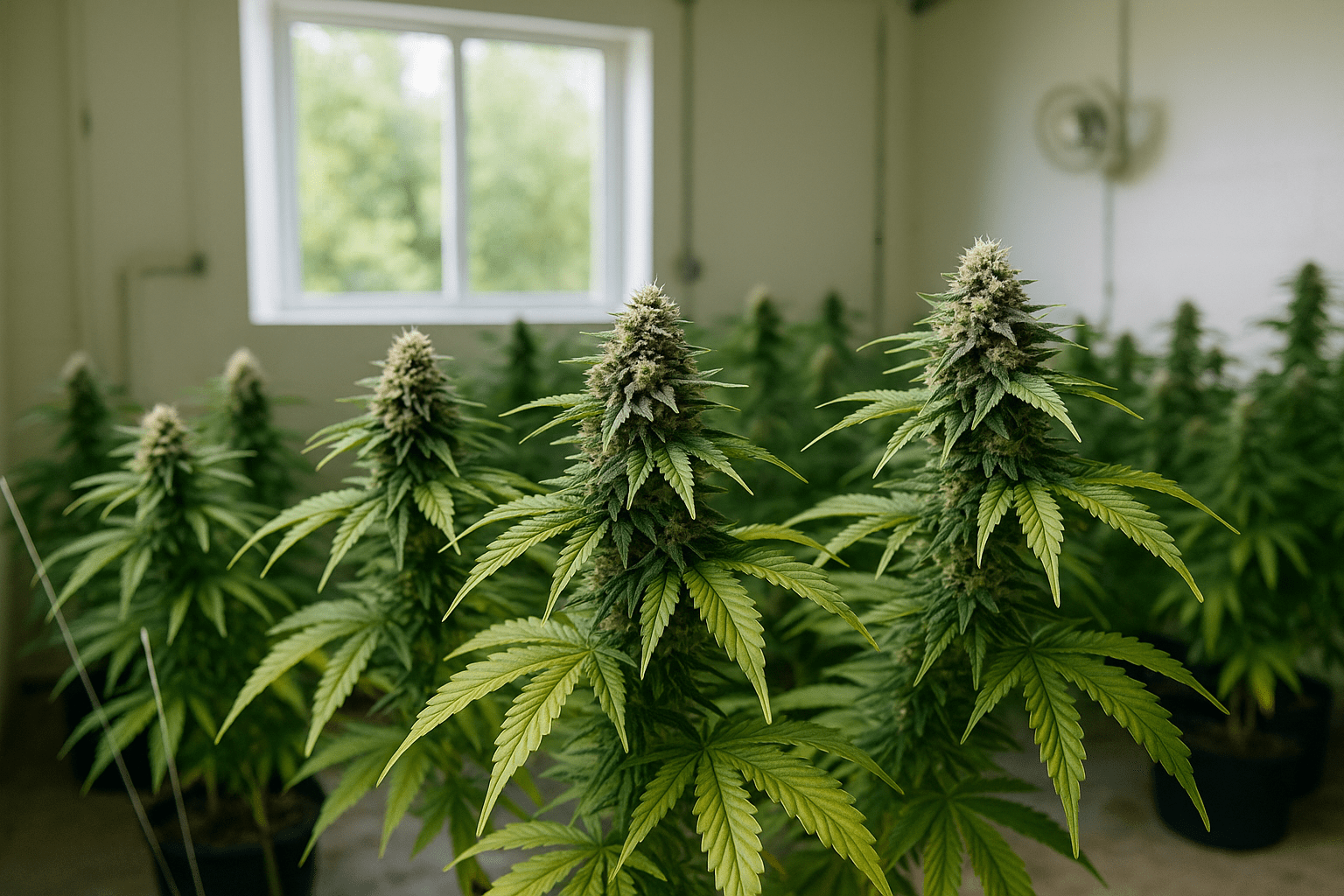
Cannabis growers often notice something quietly intriguing when they move through a cultivation site, whether it is a sprawling indoor facility or a small outdoor garden: no two plants taste quite the same, even when they share genetics and cultivation routines. These subtle but consistent differences in flavor trace back largely to the patchwork of microclimates existing within the grow space. Microclimates, tiny localized environments shaped by a handful of natural and mechanical factors, create diverse conditions that vary plant chemistry, especially terpene profiles responsible for aroma and taste.
How Slight Shifts in Air and Light Change the Plant’s Chemistry
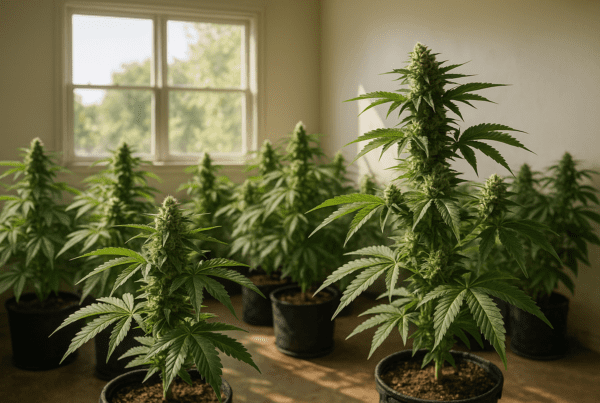
One of the nuanced influences in a grow room or field is airflow. Areas nearer a ventilation intake or fan receive fresher air and slightly cooler temperatures, while more stagnant corners tend to hold warmth and humidity. These small environmental gradients can alter a plant’s stress responses and metabolism, nudging it to adjust its production of terpenes and cannabinoids. Terpenes like myrcene, limonene, or pinene respond to factors including temperature and oxygen levels. For example, plants in a warmer, less ventilated spot often generate different terpene balances than those in cooler, airier zones.
Light is another factor that plays a key role. Even in controlled indoor systems, the intensity and spectrum of light can change slightly depending on proximity to lamps or reflectors. A plant receiving more blue spectrum light might develop marginally different aromatic compounds compared to one in a shadow or under slightly dimmer conditions. Outdoors, trees or structures cast shifting shade patterns throughout the day, creating unique light exposures that influence terpene synthesis and resin production.
The Interplay of Humidity, Temperature, and Plant Response
Humidity within microclimates fluctuates in unanticipated ways. Near water sources, puddling, or soil differences, moisture levels can spike and fall, reshaping how cannabis plants regulate transpiration. High humidity encourages different terpene pathways than dry conditions, often impacting the intensity or subtlety of flavor profiles. Temperature inversions in corners of a grow tent or under a canopy create spaces where heat lingers longer, possibly enhancing or diminishing the production of volatile aromatic oils.
Growers who understand these dynamics note that plants in drier, cooler microenvironments tend to produce sharper, more pungent flavors, whereas higher humidity zones may produce softer, earthier notes. This phenomenon is less about major cultivational inputs and more about the delicate balance plants strike with their immediate atmosphere.
Observations from Real-World Cultivations
Experienced cultivators sometimes monitor microclimates using handheld sensors to track temperature and relative humidity throughout their spaces. Anecdotal evidence points to small but measurable differences in cannabinoid and terpene profiles within a single room or field. For instance, in a commercial indoor grow, plants nearer fans producing constant air movement yielded flowers with brighter citrus and pine notes, while plants nestled in a corner without direct airflow carried deeper, spicier aromas.
Some cultivators deliberately use microclimates to their advantage. By adjusting fan placement, light positioning, or irrigation schedules, they create pockets of variety within a uniform genetic batch. This not only broadens the flavor and aroma spectrum for consumers but also provides insights into environmental triggers of plant chemistry.
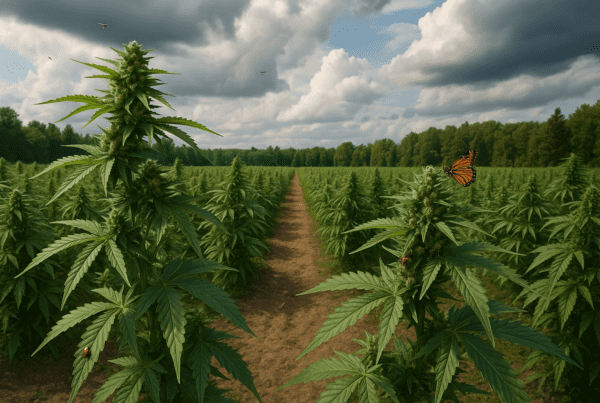
Outdoor cultivators see similar patterns where sun exposure varies with topography, and wind patterns shift with landscape features. Cannabis grown on a south-facing slope might display differing terpene richness compared to the same strain grown just meters away on shaded soil.
Why This Matters Beyond the Grow Room
The subtle interplay of microclimates within a grow site deepens our understanding of cannabis as a living plant sensitive to its environment in complex ways. While genetics lay the groundwork, actual flavor and aroma expression emerge at the intersection of nature and nurture, and microclimates embody that boundary.
For consumers, these variations translate into richer, more nuanced products, where even flower from the same named strain can surprise with unique sensory characteristics. For growers, appreciating microclimate effects can inform cultivation methods that coax out desired terpene profiles more reliably or cultivate diversity within crops.
Ongoing research into plant-environment interactions will likely uncover more about how the tiniest conditions shape terpene pathways. In the meantime, growers observing and measuring microclimate differences reveal how cannabis quietly orchestrates chemical symphonies, tuned to the variability of its immediate surroundings.
The diversity seeded by microclimates reminds us that cannabis flavor is far from static. It reflects a dance of environmental variables acting on a dynamic, responsive organism. This makes each cultivation site a mosaic of flavors, with pockets of flavor waiting to be discovered in every corner.
Reading the subtle signs of microclimate diversity offers a richer perspective on what it means to grow cannabis well. It encourages attention to detail beyond genetics or feeding schedules and invites curiosity about the plant’s ongoing dialogue with its environment.
As many growers have found, no harvest is ever truly uniform. The variations offer complexity rather than error, and flavor is an evolving story told in leaves, resin, and scent across the shifting conditions of microclimates inside the same space.
For more information on how environment shapes terpene expression, resources like Michigan State University’s cannabis research hub provide scientific insights, while platforms like Leafly’s terpene guides help decode the complex chemistry behind flavor. Industry news sites such as Ganjapreneur offer updates on cultivation trends that often spotlight microclimate management approaches.
As growers continue to learn from nature’s subtle variations, embracing microclimate influences reveals new layers of complexity and potential in cannabis cultivation.
Sources and Helpful Links
- Michigan State University Cannabis Research Hub – A collection of scientific studies and resources on cannabis cultivation and plant science.
- Leafly Terpene Guide – Understanding cannabis terpenes and how they affect flavor and aroma.
- Ganjapreneur – Cannabis industry news with a focus on cultivation methods and innovations.