
Humidity in a grow environment is one of those factors that behaves quietly yet dramatically shapes the way cannabis plants develop. Growers tuning in to their plants often notice nuanced changes when moisture levels in the air rise or fall, even if conditions seem only slightly different from day to day. What happens beneath these visible shifts can help reveal how cannabis navigates the subtle balance of moisture it needs for optimal growth.
Leaf Behavior That Hints at Moisture Shifts
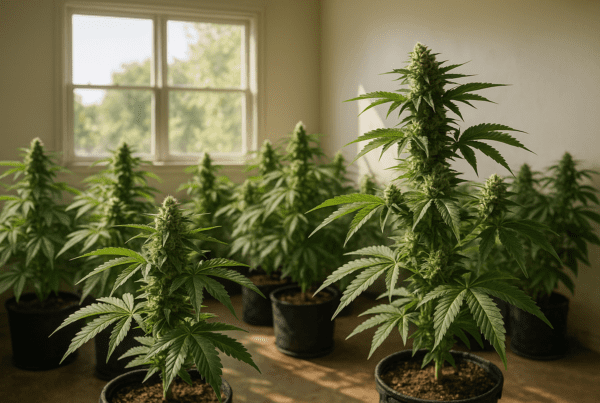
Among the earliest signs that cannabis plants respond to changes in humidity are adjustments in leaf posture. Under higher humidity, leaves often appear more open and slightly heavier feeling; the plant’s surface moisture aligns with the air’s moisture, encouraging stomata to stay relatively relaxed. On the opposite side, when humidity drops, leaves might curl slightly at the edges or adopt a more cupped shape. This reflects the plant’s effort to reduce surface area exposure and slow water loss during drier conditions.
One informally observed pattern is that gentle, daily fluctuations in humidity often do not create severe stress but instead seem to contribute to small “training” effects on the plant’s water management system. Some growers report that plants exposed to stable low-humidity environments adapt by thickening their leaves, creating a kind of natural resilience. Meanwhile, those in overly stable and wet air can sometimes struggle to develop thicker cuticles, which might influence susceptibility to mold or pests later.
Humidity’s Invisible Effects on Growth Rates and Bud Development
The practical impacts of fluctuating air moisture also become evident in the rate of vegetative growth and bud formation. Humidity impacts transpiration, which drives nutrient uptake through the roots. When humidity is too high for extended periods, transpiration slows down, causing nutrient uptake to lag. This often results in slower growth or even subtle nutrient deficiencies, as growers observe with discolored leaf tips or patchy growth.
Conversely, a dry environment speeds up transpiration but can risk dehydration if the roots cannot keep pace with water loss. Many growers note that periods of moderate variability, where humidity shifts through a natural day-night cycle, help plants remain responsive, balanced, and less prone to stress. Some describe their plants as more robust, showing deeper green leaves and denser buds when humidity is managed with mild fluctuations.
This interaction is also central to how cannabis plants manage their defense strategies. High humidity can encourage fungal growth, such as powdery mildew, particularly late in flower stages when buds are dense. This risk shapes how growers monitor and adjust humidity level carefully, especially in enclosed or indoor grows. It has become a common observation that consistently high humidity is less a friend to dense, resinous flowering, encouraging a more cautious atmosphere for growers.
Patterns That Point Toward Environmental Adaptation
Beyond immediate physical responses, some growers notice that cannabis plants behave differently depending on how consistently humidity fluctuates within their environment. Plants grown in regions with predictable, natural humidity cycles often seem better adapted to those changes, showing fewer stress signs compared to those grown in artificially controlled, unvarying conditions.
Interestingly, many cultivators report that their plants develop a kind of rhythm—almost a memory—around humidity cycles. For instance, abrupt drops in humidity during flowering sometimes lead to temporary wilting or leaf droop that recovers quickly as the plants adjust. Repeated exposures like this seem to train the plants, building tolerance to short term stress and enhancing overall resilience.
These insights connect to broader research about plant hormone responses, such as abscisic acid, which governs water stress signaling. While controlled scientific studies illuminate these processes on the cellular level, growers provide valuable observational context, highlighting how these physiological changes translate into real-world growing outcomes and challenges.
Balancing Act in Cultivation Spaces
Managing humidity is a daily consideration for growers regardless of scale. Balancing moisture requires tuning ventilation, temperature, and watering strategies to keep conditions within what feels naturally right for the strain and stage of growth. This is no small feat given how dramatically weather, seasons, and geographic location influence indoor and outdoor humidity.
Some indoor growers equip their setups with humidifiers, dehumidifiers, and automated environmental controls, yet they often report that the best results come from observing the plants themselves and adjusting in response to subtle leaf cues. Outdoor or greenhouse growers must often accept wider variances, making resilience and adaptation an important focus.
Overall, humidity weaves into a larger story about the dynamic environment cannabis plants live in, where no one condition alone rules growth. The gentle dance of air moisture, temperature, and light creates complex feedback that plants respond to in both expected and surprising ways.
For those following along, detailed observations shared by cultivators on forums and grow journals highlight the importance of patience and attentiveness when it comes to humidity. These shared experiences contribute to an evolving understanding that while humidity is invisible, its effects on cannabis are anything but.
For growers seeking to deepen their grasp of environmental impacts, resources like Grow Weed Easy discuss practical humidity ranges and adjustment strategies that correlate well with real-world experiences seen on platforms like the Growers Treasure humidity guide. More technical insights about leaf and stomatal behavior can be explored at Frontiers in Plant Science, providing a scientific anchor to observed phenomena. For regulatory-curious readers interested in how indoor air management fits into compliant cultivation, the South Dakota Cannabis Operational Requirements offer a glimpse at legal humidity management expectations that arise in some legal markets.
In the end, the quiet shifts in relative humidity invite growers into a closer, ongoing conversation with their plants, a reminder that growing cannabis is as much about listening as it is about controlling.
Sources and Helpful Links
- Growers Treasure humidity guide offers practical advice on ideal humidity ranges for cannabis cultivation.
- Frontiers in Plant Science provides an in-depth look at stomatal responses affecting plant water regulation.
- South Dakota Cannabis Operational Requirements outlines humidity management requirements in a legal cultivation setting.