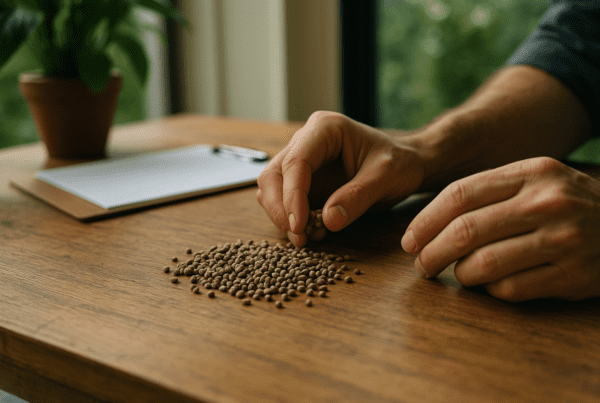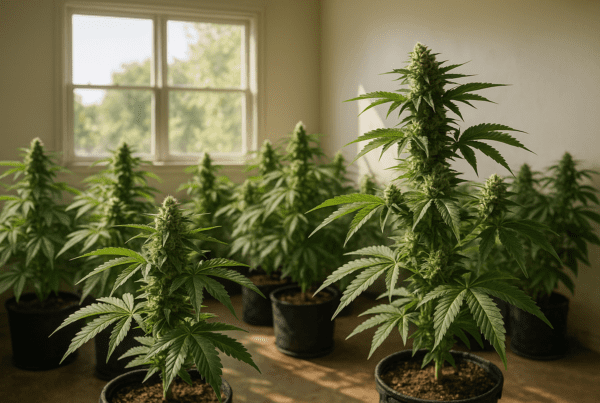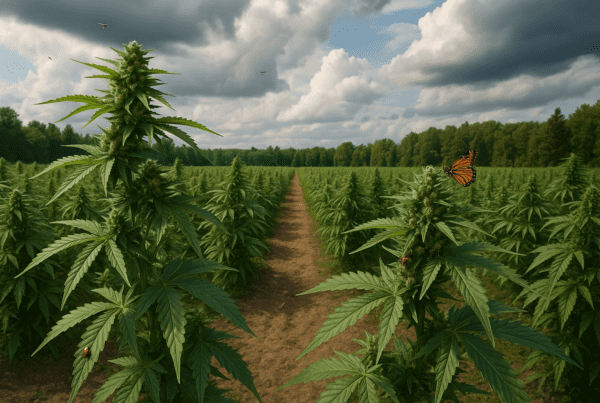

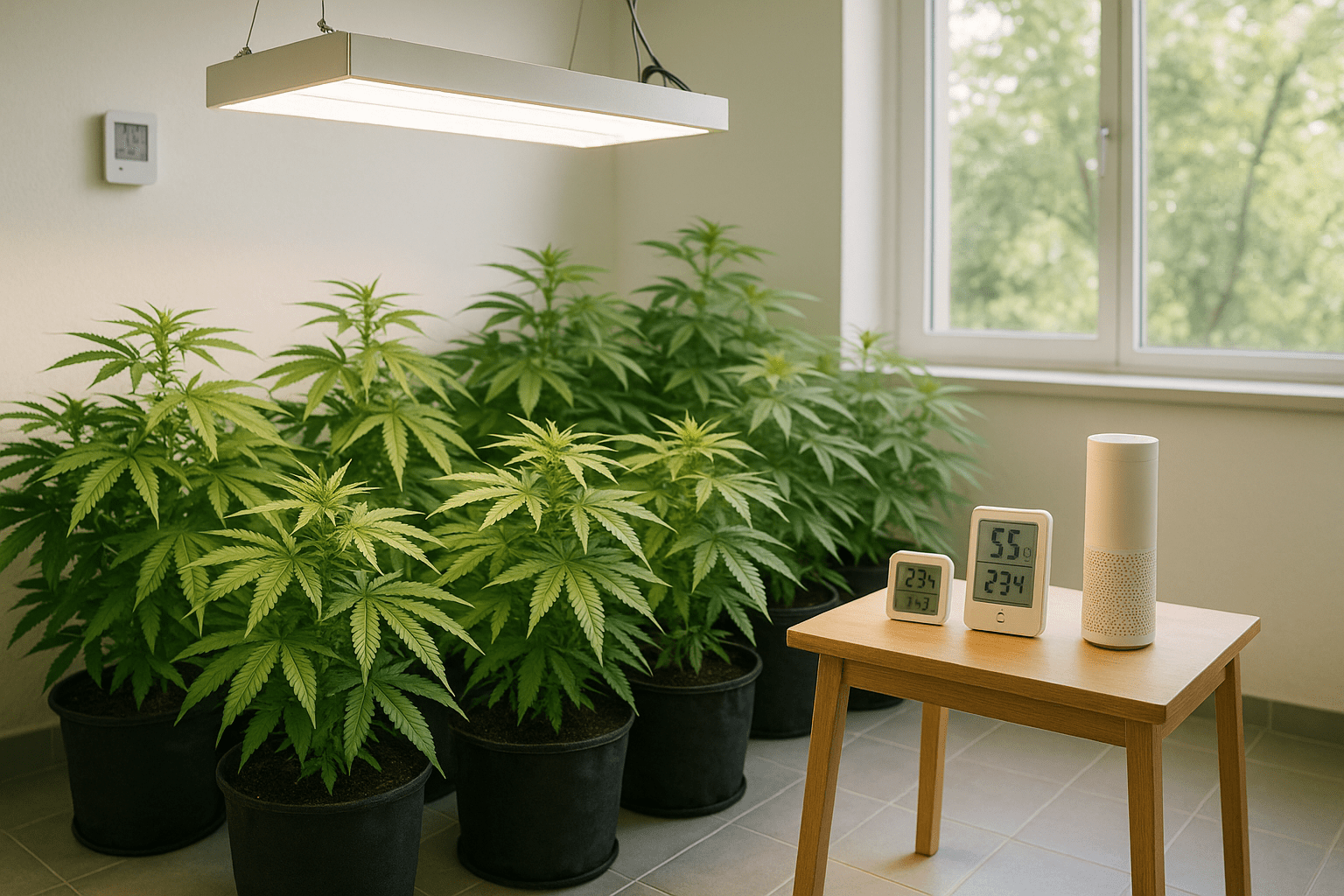
Indoor cannabis cultivation has moved far beyond the simple setups of years past. While grow lights and ventilation remain essentials, many growers now turn to environmental sensors as crucial tools for managing their crops. These devices quietly gather a wealth of data on the conditions inside a grow space, feeding information that can influence everything from watering schedules to nutrient adjustments. Observing how this blend of technology integrates into traditional growing hints at a new level of precision and responsiveness.
Watching the Air Around the Plants
Cannabis plants are sensitive to the environment they develop in. Fluctuations in temperature, humidity, and carbon dioxide levels impact photosynthesis, respiration, and transpiration in very real ways. Environmental sensors can track these factors continuously, allowing growers to diagnose trends rather than reacting only when problems appear.
Take temperature, for example. Cannabis thrives within a certain range that shifts subtly between its vegetative phase and flowering stage. Sensors provide ongoing data to keep air and root zone temps within preferred bounds. Similarly, monitoring humidity helps prevent mold and mildew while ensuring stomata function properly, influencing how the plant exchanges gases. Sensors measuring CO2 can further fine-tune photosynthesis, especially in sealed grow rooms where CO2 enrichment is common.
Rather than guessing or checking conditions sporadically, growers with sensor data in hand can create a more stable and optimized microclimate. This reflects an observational shift from relying on visible symptoms alone to a proactive, data-informed mindset.
Light and Nutrient Insights from Technology
Light intensity and spectrum are fundamental to cannabis growth, and some environmental sensors extend their watch to these parameters. Tools like PAR meters measure photosynthetically active radiation, helping growers understand how much usable light their plants receive. Coupled with timing controls, this data facilitates fine-tuned lighting cycles that align with cannabis’s specific needs during various growth stages.
Moisture sensors in soil and cultivation media provide another valuable layer. Consistent data about water availability prevents over- or under-watering, a common stumbling block in both hobbyist and commercial cultivation. Instead of relying on feel or guesswork, these sensors report the status of the root zone in real time.
In hydroponic or aeroponic systems, sensors can also track nutrient concentrations and pH, although these often require specialized probes. Maintaining stable nutrient solution chemistry is critical since slight imbalances can stall growth or trigger deficiencies. Sensors with this capability help growers catch issues early before visible symptoms show on leaves or stems.
Challenges in Sensor Use and Integration
Despite the promise, working with environmental sensors is not without its hurdles. Sensor calibration, placement, and maintenance influence reliability. A poorly positioned temperature sensor might record hot spots near lights rather than overall room conditions. Similarly, sensor drift over time can produce misleading data if checks are neglected.
Then there is the question of data management. Sensors can generate large datasets that may overwhelm growers without dedicated systems or analytics tools. Interpreting the numbers requires a certain level of experience and attention. For some cultivators, this added complexity has prompted a slower adoption pace as they weigh costs and benefits.
Still, as technologies improve and interfaces become more user-friendly, environmental sensing is gradually smoothing into the daily tasks of indoor cannabis cultivation. Integration with automated controls allows environmental adjustments to happen in near real time, reducing labor and improving stability.
Looking Beyond the Numbers
While sensors offer detailed snapshots of environmental conditions, the plants themselves remain the ultimate indicators of health. Experienced growers know the limits of machines and the importance of continual observation. A sensor may show humidity at 50 percent, but leaves curling or discoloring could signal other stressors.
Environmental sensors work best when combined with traditional horticultural skills and careful visual scrutiny. Their value lies in enhancing a grower’s understanding, not replacing it. This balance between technology and intuition reflects how modern cannabis cultivation blends old knowledge with new tools.
Additionally, the rise of sensor data analytics platforms and cloud-connected systems points toward collaborative learning across growing operations. Collecting and comparing environmental data at scale may reveal subtle patterns and best practices that individual growers might miss.
Ultimately, environmental sensors are reshaping how growers approach their indoor spaces. They provide a window into microclimates and quantitative feedback that, when used thoughtfully, can lead to healthier plants and more consistent results. Observing cannabis cultivation through this data-rich lens captures a moment where experience meets innovation in a grounded, evolving craft.
As this technology continues to advance, the challenge will be to make it accessible and meaningful for growers across scales, from the enthusiast in a small closet to commercial producers managing vast facilities. It’s a quiet revolution in cannabis that promises to deepen our understanding of plant environment relationships, one sensor reading at a time.
More real-world insights and reports on cannabis growing trends can be found through resources like Grow Weed Easy on environmental control and grower forums where sensor setups and experiences are shared. The Agrilyst guide also offers a thorough look at different sensor types and their uses in cultivation. For a scientific angle on plant responses to environment, PubMed research databases contain studies linking environment and cannabis physiology.
Watching how these technologies evolve alongside cultivation practices offers a window into the shifting landscape of cannabis growing today.
Sources and Helpful Links
- Grow Weed Easy on environmental control – Practical advice on managing grow room conditions for cannabis
- Agrilyst’s guide to cannabis grow room sensors – Overview of sensor types and applications in cultivation
- PubMed – Repository of scientific articles, including studies on cannabis and environment interactions