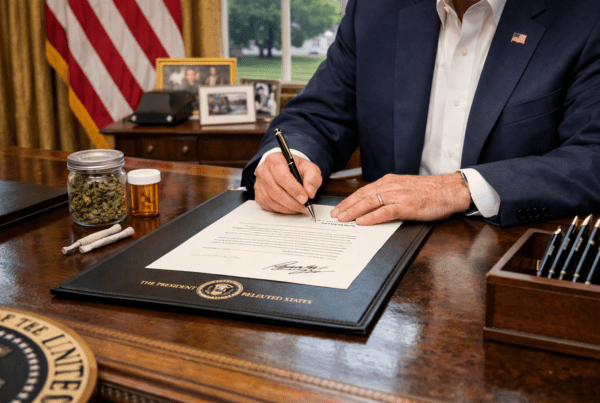

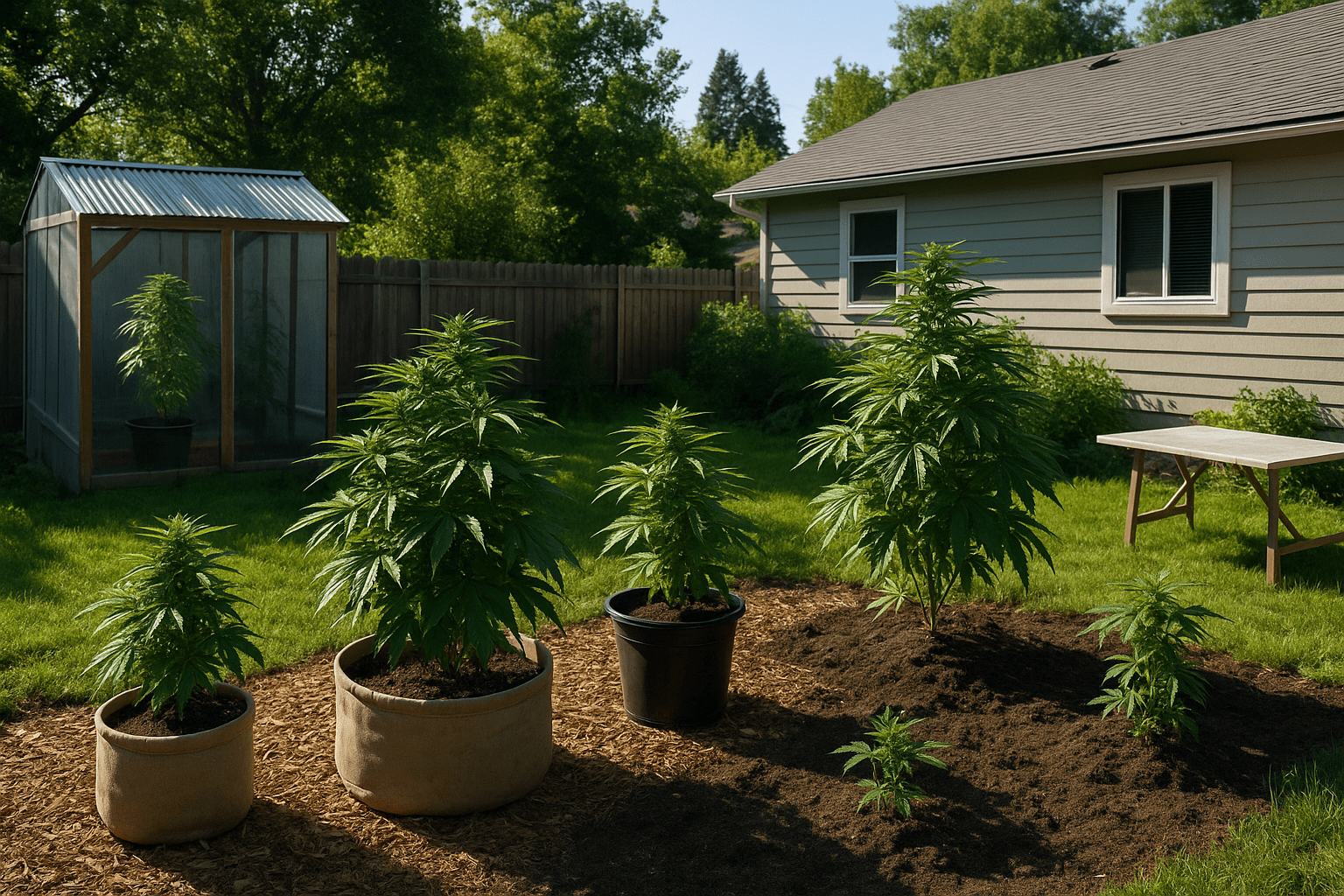
Home cannabis cultivation has long occupied a murky space between personal liberty and regulatory control in the United States. Over the past few years, as more states have legalized cannabis in some form, courts have become active arbiters in defining what home growers can legally do and under what circumstances local governments or authorities may intervene.
Courts carving out practical boundaries in a complex landscape
The reality for home growers is increasingly shaped by a patchwork of court decisions that clarify, stretch, or sometimes limit what state laws intend. Many of these rulings arise when specific tensions emerge, such as when cultivation surpasses state-imposed limits on plant counts, or when neighbors object to odors, safety concerns, or property values. Such disputes highlight the friction inherent in balancing private cultivation rights with communal living.
Occasionally, criminal prosecutions targeting unlicensed grows test how far state protections for personal cultivation extend. These cases shine a light on the limits of legalization, especially where local authorities seek to enforce stricter controls or where conflicting interpretations of cannabis laws persist.
State regulations vary widely—from the number of plants allowed, to the qualifications for growers, and the conditions under which growing can happen. Without consistent federal direction, these laws rely heavily on judicial interpretation to fill in gaps and resolve conflicts. As a result, courts effectively become architects of the rules that home cultivators live by, shaping what is permissible on a street-by-street, state-by-state basis.
Virginia’s evolving stance shows courts pushing back on restrictive local rules
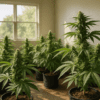
Virginia is a particularly instructive example. Since adult use legalization in 2021, the state has permitted four plants per household for personal cultivation. However, some local governments and homeowners associations have attempted to go beyond state law by imposing bans or tighter restrictions on home grows.
Recent decisions from Virginia’s appellate courts have pushed back on these local efforts, affirming that municipalities cannot override state protections with outright prohibitions. This is significant because it gives home growers legal backing when they find themselves at odds with local rules that are more stringent than state law allows.
Still, while the state judiciary has bolstered home grower rights, it also leaves room for reasonable regulation. Counties and cities in Virginia can still enforce rules related to safety, building codes, or nuisance concerns, as long as those rules do not amount to a total ban or negate the state’s cultivation allowances.
California courts balancing individual rights with neighborhood realities
California’s cannabis regulation is among the most detailed and long-standing due to its early medical cannabis laws and the 2016 adult-use legalization. This depth has led to frequent court interventions, especially regarding nuisance claims tied to residential grows.
Neighbors in tightly packed communities often raise complaints about odors, noise from ventilation systems, or water use that might stress local supplies. Courts in California tend to acknowledge these concerns seriously, prompting local regulators to tighten oversight on certain cultivation practices.
Yet the state’s highest court has also stressed that while municipalities can regulate cannabis cultivation to address public health and safety, they cannot enact total bans that conflict with the rights granted by state law. This jurisprudence underlines a delicate negotiation between allowing personal grows and maintaining community standards.
For growers, this means paying close attention to local ordinances and advocating for regulations that are fair and realistic rather than overly punitive. It also reflects a broader trend where courts serve to vet both grower rights and neighbor concerns, seeking a workable coexistence.
How federal prohibition looms over state-level home cultivation rights
The federal government’s stance, which still classifies cannabis as a Schedule I controlled substance, casts a complicated shadow. Although states with legalization have changed the way cannabis is treated locally, federal law enforcement and policies can occasionally intersect with personal cultivation rights in unexpected ways.
Some cases reveal tension where federal agencies intervene in local matters or where individuals face consequences related to cannabis cultivation under federal statutes despite compliance with state laws. Property seizures and probation conditions connected to cannabis activities remain areas of uncertainty for home growers.
This conflicting legal reality creates a layer of risk and unpredictability for those cultivating at home. Successful home growers often navigate a complex web of regulations and enforcement variables influenced partly by this uneasy coexistence of state success and federal prohibition.
Unequal access and social equity reflected in court debates
Among the themes courts encounter is the uneven impact of cannabis laws on different communities. Historically marginalized groups often face disproportionate enforcement, and barriers to legitimate cultivation, such as complicated licensing or costly compliance, can limit who truly benefits from legalization.
Legal cases sometimes touch on these equity issues, with courts weighing how cultivation rights intersect with broader social justice goals. The outcomes signal ongoing efforts to balance individual freedoms with restorative policies aimed at communities harmed most by prohibition.
This dynamic is crucial to consider because access to home cultivation influences not only recreational or medicinal use but also economic opportunity and community health. It underscores that the legal landscape for home growers is not static but part of a larger societal dialogue.
States such as Oregon, Colorado, and Michigan are illustrative of this ongoing negotiation, where local courts and regulators play a key role in defining the practical limits and protections of growing cannabis at home. For many growers, these developments matter deeply, impacting how they grow responsibly, maintain privacy, and navigate enforcement.
Tracking court decisions gives insight into a national patchwork that is still taking shape, reflecting the interplay between evolving laws, community standards, and lived experience. Legalization is less a final chapter than a continuous unfolding, with home cultivation rights living at the frontier of this change.
For those looking to stay informed, resources like the National Organization for the Reform of Marijuana Laws offer updated legal overviews across states. Additionally, consulting state court databases and local regulatory websites helps cultivators understand how rulings may affect their specific circumstances.
Ultimately, the evolving role of courts ensures that home cannabis cultivation remains a dynamic issue, shaped by legal interpretation as much as legislation. It calls on growers, neighbors, and policymakers to engage with a complex but vital part of cannabis legalization’s human and legal geography.
Sources and Helpful Links
- National Organization for the Reform of Marijuana Laws, a resource for tracking state and federal cannabis laws.
- CourtListener, an open access database of court rulings including cannabis-related cases.
- California Department of Public Health Medical Cannabis Program, information on regulation and legal framework for cultivation.