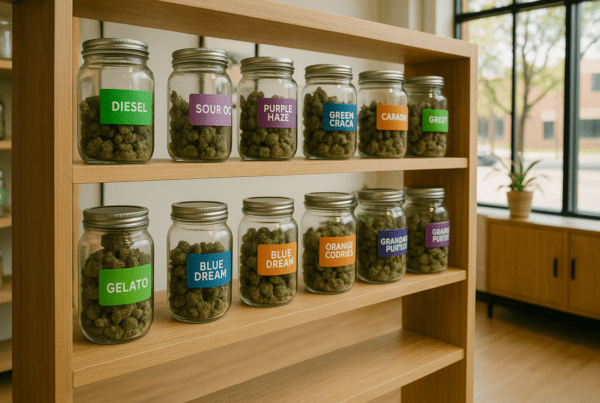


Entering the cannabis market in recent years can feel like stepping into a wild garden with countless blossoms, each with its own aroma, form, and effect. For newcomers, the challenge is not just offering one type of product but weaving a whole assortment together that speaks to diverse and sometimes unpredictable customer tastes.
Walking into a shifting marketplace
The broad cannabis industry has evolved substantially over just a few years. Once dominated by a small group of players focusing mainly on flower, it now stretches across a spectrum of forms such as concentrates, edibles, tinctures, topicals, and beyond. New businesses find themselves in an ecosystem where consumers do not just want variety but want it tailored – to experiences, to lifestyle, and to individual biology.
Meanwhile, regulations keep shifting. Federal, state, and local rules create a patchwork with tight limits on production methods, labeling, dosage, and even marketing language. It means newcomers have to be especially nimble and well-informed to avoid costly mistakes while developing their product lines. This constant adjustment reframes what ‘‘product diversity’’ even means, beyond simple counts of SKUs.
What diversity looks like on the shelves today
Walking through dispensaries or scanning product catalogs online reveals how product diversity has become a creative playground yet a logistical puzzle. It is not unusual to find pre-rolls infused with CBD or exotic cannabinoids, vape cartridges featuring unique terpene blends, and edibles ranging from classic gummies to drinkables and even savory snacks.
This proliferation is partially a reflection of decades of accumulated cannabis research, especially from scientific studies on minor cannabinoids like CBG and THCV, which are now emerging in consumer products spotlighted for specific effects or wellness claims. Newcomers are leaning into these nuances, hoping to create niche appeals alongside broad market offers.
On the other hand, the sheer number of product types and variants introduces challenges in inventory management, quality control, and consumer education. This is especially true for companies still gaining footing, not yet fully established in the supply chain or lacking experience with multi-channel distribution.
Balancing innovation with reliability
One theme that appears repeatedly when talking with newer operators is how vital it is to balance novelty with consistency. A product that is too niche or experimental risks failing to find a reliable consumer base, while something too generic may get lost in the sea of competitors.
For many, the approach involves careful selection of foundational product lines – like traditional flower or gummies – combined with limited editions or collaborations that highlight new strains, technologies, or approaches. These limited runs provide a testing ground for innovation without risking the brand’s core reputation.
Moreover, many brands emphasize transparency and traceability to stand out. They document cultivation methods, lab test results, and ingredient origins with a level of detail that reassures consumers who are becoming more discerning. That kind of openness is often easier to achieve at smaller scale, giving newcomers a potential edge against larger, more rigid incumbents.
Listening closely to evolving consumer expectations
Cannabis consumers today span a range of profiles – from longtime connoisseurs to curious newcomers, wellness-focused adults trying CBD products, and even medical patients seeking symptom relief. Navigating these audiences requires understanding not just what products to make but how to talk about them.
New entrants often invest heavily in market research and community engagement. Social media platforms, live events, and customer feedback loops help shape product offerings in real time. Observing which strains, dosages, or delivery methods catch on informs next steps with less guesswork.
This responsiveness may also reflect a move away from cannabis as a one-size-fits-all product category toward customizable experiences tuned to mood, occasion, and need. In this, newcomers sometimes have an advantage over established players that developed under very different market assumptions.
Brands also must grapple with the tension between promoting variety and not overwhelming customers. Simplified recommendations or curated lines help customers navigate an expanding landscape without paralysis. In effect, some newcomers are acting almost like guides in this densely packed forest of cannabis choices.
Where product diversity meets regulatory complexity
Product diversity rarely exists in isolation from regulation. The compliance hurdles around packaging, testing, distributed ingredients, and advertising shape what newcomers can offer at what pace. For example, introducing novel cannabinoid extracts or new edible formulations entails additional regulatory scrutiny, sometimes leading to delays or reformulations.
This creates its own kind of diversity dynamic. Some newcomers pivot toward more traditional, less complicated products to build a solid revenue base while incrementally expanding their line. Others specialize in particular niches where regulatory pathways are clearer or where consumers signal strong interest.
Understanding and managing these regulations is often a full-time job. Compliance teams or consultants regularly bridge gaps between innovation and legal safety. That relationship between product creativity and legal constraint continues to shape how cannabis product diversity actually unfolds.
What emerges, in fact, is a mosaic of strategies. Different newcomers pursue different mixes of innovation, caution, and consumer connection to carve out places in a market that resists one-size-fits-all solutions.
The interplay between evolving regulations, consumer preference shifts, and supply chain realities ensures that today’s newcomers will look very different in a few years, as only some strategies prove sustainable. Observing which varieties, formats, or marketing approaches win acceptance sheds light on where the market itself might be heading – without assuming any single pattern will dominate.
This ongoing navigation, rather than a fixed product list, captures the living experience of cannabis diversity coming from fresh entrants today.
For perspective on how companies adapt product lines amid regulatory pressure, see insights from the National Conference of State Legislatures. Meanwhile, industry overviews from MJBizDaily highlight current consumer demand trends and product innovation.
For growers and producers interested in specific cannabinoid and terpene roles shaping consumer preferences, the Leafly cannabinoid guide is a useful resource. Finally, compliance frameworks and testing requirements from the FDA contribute to understanding how regulation ties to product diversity.
Sources and Helpful Links
- National Conference of State Legislatures overview of state medical marijuana laws and regulatory environments
- MJBizDaily product trends report with insights into emerging categories and consumer preferences
- Leafly cannabinoid guide explaining different cannabinoids and their consumer roles
- FDA public health focus on cannabis products outlining testing and regulation requirements