
Changes in cannabis lab testing standards are quietly reordering the foundations of quality assurance in this rapidly growing industry. Anyone who has followed cannabis production over the last decade understands that what was once an inconsistent patchwork of testing requirements has steadily matured into a more rigorous, measurable set of protocols. These newer standards affect how producers verify safety and potency, but also how the industry as a whole defines what quality means.
The subtleties behind lab testing evolution
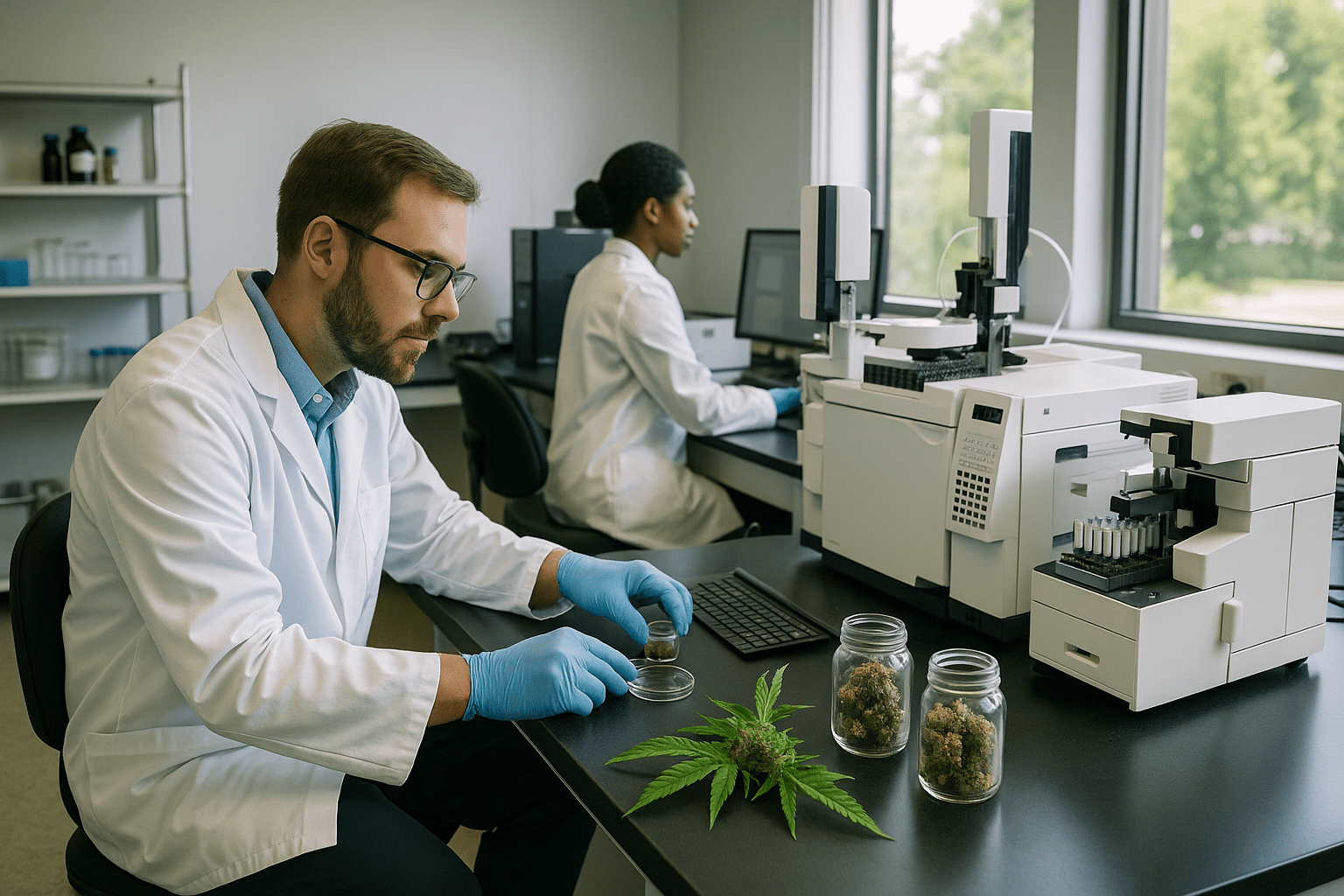
Early on, many cannabis growers and processors approached lab testing as a box to check rather than an evolving science to engage with. Testing thresholds varied widely from state to state, and so did the methods labs employed. Some labs specialized in cannabinoid potency, while others focused on contaminants like pesticides and heavy metals. Results could shift from one lab to another based on equipment differences, staff expertise, and even sampling techniques.
What stands out now is a push toward harmonization and greater reliability. Organizations such as the American Public Health Association have called for specific analytical procedures to become standard practice. Meanwhile, regulatory bodies have stepped in across several states to mandate more robust protocols for detecting microbes, residual solvents, and other impurities that hold direct implications for consumer safety. The Food and Drug Administration maintains a watchful eye, though its formal involvement remains limited.
This push is more than a bureaucratic update. Testing standards define how quality is measured. If a product passes one set of criteria but might fail another, growers and consumers alike lose a reliable reference point. Producers who previously skirted regulations now find themselves grappling with more detailed scrutiny and higher stakes.
Practical ripples in the cannabis cultivation landscape
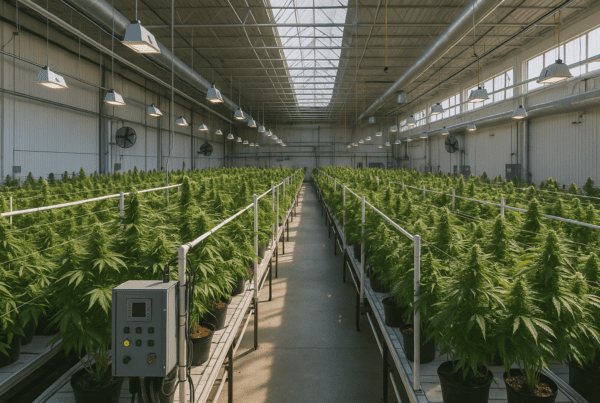
On the cultivation side, lab results feed back into how growers manage their crops. When testing standards shift, cultivators must adjust what they monitor and how they control environmental variables.
Pesticide limits, for instance, have tightened in numerous markets. For growers, this means more careful selection of pest control strategies and increased emphasis on integrated pest management approaches. Some have also responded by modifying nutrient regimens, growing media, and irrigation practices to reduce potential contamination risks before samples even leave the farm.
The industry has seen cases where crops that would have passed older tests now fall short under newer protocols, causing delays and added costs. These real-world effects highlight the complex interplay between testing labs and cultivators. It is a tension that supports safer, cleaner products but also demands adaptation and investment.
Lab testing as a trust signal in a crowded market
Consumers shopping for cannabis face overwhelming choices, from flower and concentrates to edibles and tinctures. In the absence of federal oversight similar to pharmaceuticals or alcohol, lab results serve as crucial trust signals. Reliable, consistent testing gives buyers a way to compare products, assess potency, and evaluate safety information before purchasing.
Recent changes in testing standards reflect industry efforts to bolster consumer confidence amid inconsistent past practices. Some retailers now require certificates of analysis that meet specific technical criteria before stocking products. Meanwhile, transparency in testing data is becoming a competitive advantage, with businesses touting third-party lab results on packaging or through online portals.
This evolving landscape does not guarantee perfection. Variability remains due to differences in testing methods or human error, as well as the natural heterogeneity of plant material. However, the trend toward stricter, clearer standards signals a maturing industry that places quality assurance at the forefront.
Challenges that remain and the road ahead
Despite progress, the cannabis industry faces ongoing hurdles in laboratory testing consistency. One issue is laboratory accreditation. Not all labs undergo the same rigorous certifications, leading to variability in accuracy and reliability. Another is the lack of universally accepted reference materials for cannabinoids and contaminants, which makes cross-comparisons difficult.
Regulations can lag behind scientific advances, and with cannabis legal frameworks differing widely by region, patchwork policies complicate compliance for businesses operating across state lines. Consumers may encounter confusing or conflicting lab reports depending on location or vendor, which complicates brand loyalty and market transparency.
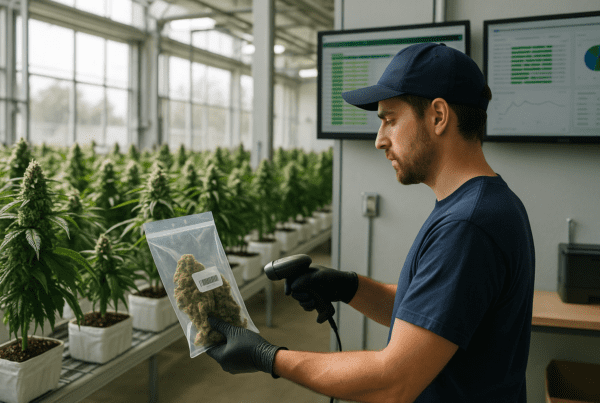
Technology is advancing in ways that could mitigate some of these challenges. Emerging analytical methods that are more sensitive, faster, or cost-effective might become standard over time. Innovations like blockchain are also being explored to track cannabis from seed to sale, preserving test data integrity and providing consumers full traceability.
No matter how testing evolves, its role as a backbone of cannabis quality assurance is unlikely to fade. Observing these changes reveals a system working out the balance between scientific rigor, commercial reality, and consumer expectations.
In practice, the new standards and their enforcement take time to settle into stable routines. But the impact is visible for anyone paying attention: safer products, clearer expectations, and an industry increasingly committed to quality that can be measured and trusted.
The road ahead will continue to shape what cannabis products reach shelves and how they win consumer approval. This ongoing shift in lab testing culture reflects a larger story of maturation for an industry still defining itself amid evolving science and policy.
Understanding this quietly unfolding transformation helps growers, processors, and consumers alike navigate a complex marketplace where quality assurance matters more every day.
For those seeking a closer look at current requirements and recommendations around cannabis lab testing, resources like the American Public Health Association’s testing guidance and state regulatory agencies provide useful reference points. Industry news sites like Cannabis Business Times also document ongoing developments and compliance challenges that shape day-to-day realities.
While the landscape remains in flux, the steady adoption of new, science-driven lab testing standards promises a firmer foundation for cannabis quality assurance in the years to come.
Sources and Helpful Links
- American Public Health Association Testing Guidance – A comprehensive document outlining recommended testing practices for cannabis products.
- Cannabis Business Times – Industry news outlet covering cannabis regulation, compliance, and cultivation.
- Colorado Cannabis Laboratory Program – State-level information on lab certification and testing standards.