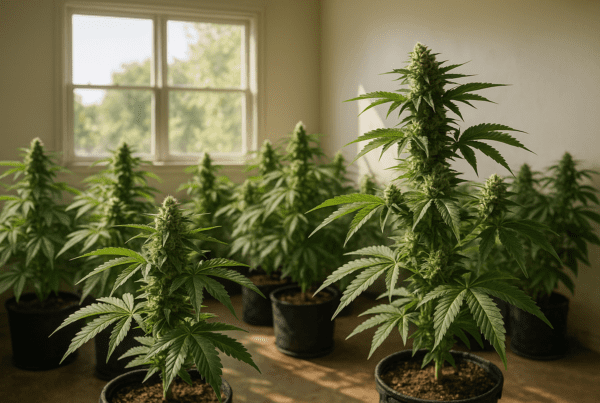

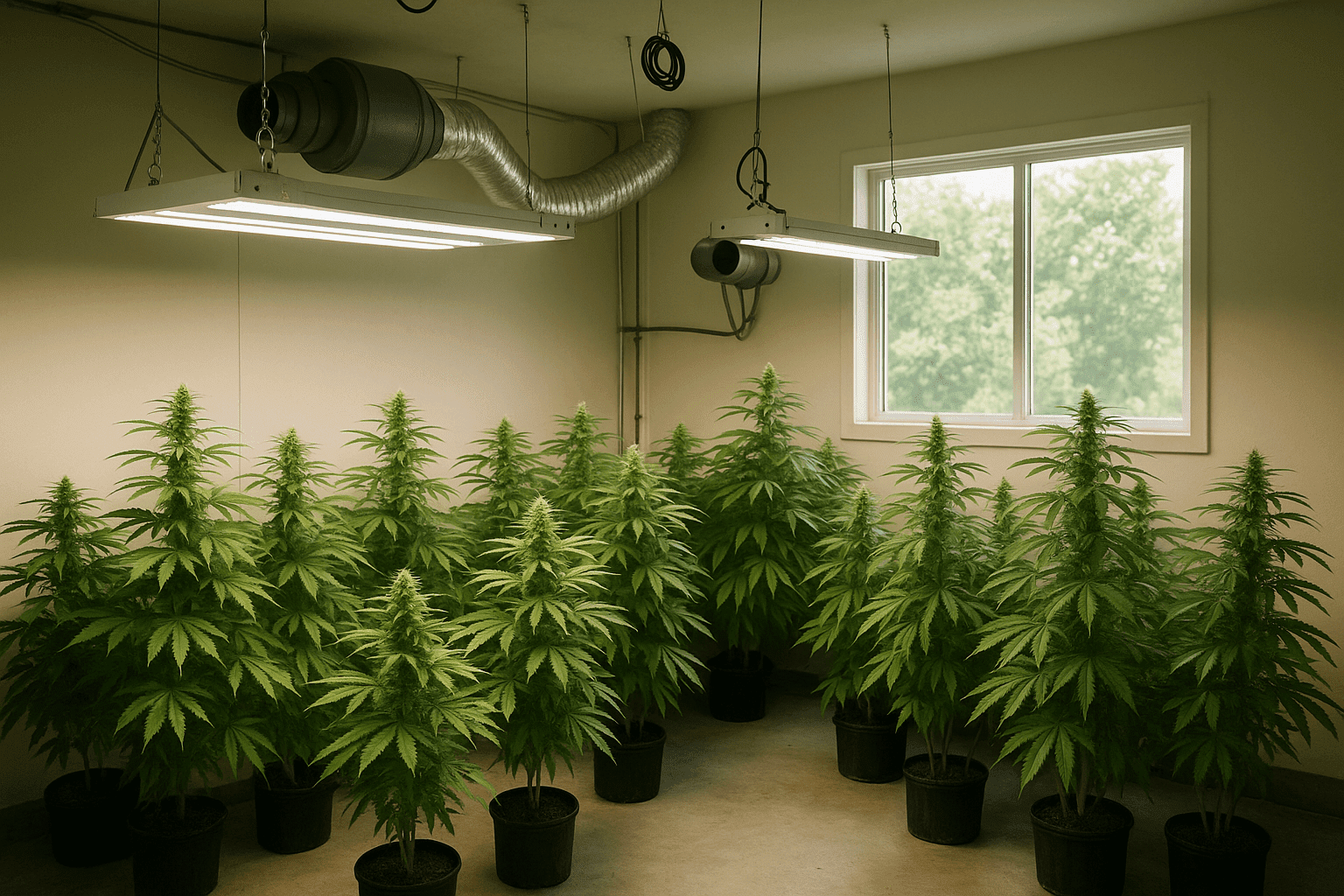
Indoor cannabis cultivation has long depended on stable, predictable energy supplies to power lighting, ventilation, and climate control. As energy costs climb steadily, a quiet transformation is unfolding behind the scenes. Growers are adapting not just by cutting expenses but by reshaping their approach, some driven by economics, others by a new awareness of sustainability and environmental impact.
The Weight of Lighting and Ventilation on Energy Budgets
Lighting typically accounts for the biggest portion of energy bills in indoor grows. Whether using high-intensity discharge lamps, metal halides, or more modern LEDs, each option brings a distinct energy footprint and cost implication. When utility prices rise, there is more incentive to reconsider which lighting technology to deploy. Yet the decision involves more than just wattage. Light spectrum and intensity directly influence cannabis growth rates, resin production, and final yield. That complexity makes changing lighting systems a cautious process rather than a switch flipped overnight.
Ventilation is another unrelenting energy consumer in these operations. Fans, ducts, and filtration systems run continuously to manage heat, humidity, and fresh air exchanges-all critical to maintaining healthy plants and avoiding mold or mildew. With climbing energy expenses, some growers are exploring more efficient fans and variable-speed units or optimizing airflow schedules based on environmental conditions. Smart control systems can help reduce unnecessary operation, but adoption varies widely depending on growers’ budgets and familiarity with technology.
Shifting Timelines and Growing Rhythms to Bend Energy Curves
Aside from techno-financial fixes, some cultivators are experimenting with altering grow cycles and lighting hours to capitalize on lower off-peak electricity rates. This sometimes involves running lights during nighttime hours instead of the traditional light period, or tailoring flowering stages to avoid peak demand windows. However, cannabis plants respond strongly to photoperiod-improper timing risks stressing plants or slowing development, so growers tread carefully with these adjustments.
Regional energy price structures and regulations can influence how practical such shifts are. In states that have implemented time-of-use meter systems, larger growers might find financial rewards for adjusting energy use, driving more innovation in operational timing. Conversely, where electricity remains flat rate throughout the day, fewer motivators exist to change entrenched cultivation rhythms.
The Pace and Patterns of New Technology Adoption
Adopting new technologies is a natural response to rising energy costs but the path is gradual. Light-emitting diode lighting has gained ground because it consumes less power and generates less heat than older lamp types. Yet the upfront cost for quality LED fixtures creates a barrier for small to medium-sized growers. Some outdoor transplanters or legacy setups also commit to known setups that deliver consistent results, despite higher energy use.
Automation and environmental controls have seen significant advances. Sensors measuring temperature, humidity, CO2, and even leaf moisture connect to controllers that adjust fans, humidifiers, and lighting in real-time according to plant needs and external conditions. This can cut wasteful energy use, though there is complexity in selecting and maintaining these systems, especially when growers weigh costs against uncertain returns.
Energy recovery ventilators and heat exchangers, familiar equipment in greenhouse operations, are slowly gaining footholds in indoor cannabis facilities. These devices harvest heat or cool energy from exhaust airflows to reduce demands on HVAC systems. Implementation remains uneven since these units demand capital investment and fit better with larger-scale grows or new builds where infrastructure can be planned accordingly.
Energy Concerns Meet Environmental Expectations
Energy expenses have intersected with growing awareness of cannabis cultivation’s environmental footprint. Legalization has brought regulatory scrutiny in many states and countries, with some jurisdictions introducing efficiency audits, carbon reporting requirements, or energy management plans for commercial grows. These push cultivators to think beyond short-term savings and toward long-term sustainability.
This broader pressure encourages adoption of renewable energy choices. Solar installations paired with battery systems have started appearing in indoor grows as a hedge against volatile electricity prices and anticipated regulations. While costly and complicated to install, these systems offer operational resilience, particularly suited for larger or vertically integrated businesses aiming at future-proofing.
Other cultivators pursue hybrid models blending natural sunlight via greenhouse roofs or supplemental day-length lighting combined with LEDs. These setups can reduce reliance on artificial lighting, thus lowering energy demands and satisfying some environmental concerns. However, geographical limits, local climate, and technical know-how form real constraints on how widely such models may spread.
Ways Forward While Managing Uncertainty and Tradition
No single all-encompassing strategy emerges from the challenge of rising energy costs. Instead, a mosaic of responses reflects growers’ varying scales, available capital, climate realities, regulations, and traditions. Some double down on technology to improve efficiency; others modify operation schedules or absorb rising bills as a cost of doing business in a competitive market.
Watching these shifts reveals a tension between established cultivation wisdom and evolving economic and environmental realities. Yet it also highlights resilience and creativity across the cannabis grower community. Every decision from lighting upgrades to facility design involves trade-offs with no simple answers.
As this landscape continues to shift, maintaining a clear-eyed perspective will be valuable – following developments honestly, recognizing practical constraints, and noting how growers blend new technologies and practices with long-standing knowledge.
Energy prices may never again be as low or limitless as once assumed. Whether that will drive rapid evolution in indoor cannabis cultivation or slower, incremental adaptation remains a quiet unfolding story worth watching closely.
Growers looking for detailed insights on emerging energy technologies and proven energy-saving strategies may find practical value in reports from organizations such as the California Energy Commission and trade publications focused on cannabis cultivation.
Sources and Helpful Links
- California Energy Commission – Official site with regional energy efficiency guidelines and reports relevant to indoor cultivation.
- Cannabis Science and Technology – In-depth articles on the latest energy-efficient cannabis cultivation techniques.
- Consumer Reports on Energy Savings – Practical advice on energy-saving technologies and investments that can inform cannabis growers’ choices.
- US Department of Energy – Resources on building technologies that improve energy efficiency, applicable to cultivation facility design.