
The cannabis industry has grown rapidly in recent years, bringing with it increasing demands for transparency and regulation. Traceability systems have been central to this effort, set up to track cannabis products from seed to sale. But how well are these systems working according to those closely involved? What follows is a look inside the industry’s current thinking, drawn from interviews, reports, and expert commentary that reveal a complex picture of progress, limits, and ongoing challenges.
Transparency efforts collide with regulatory complexity
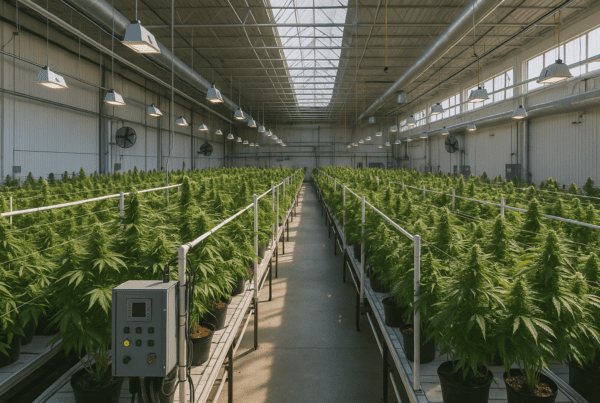
Traceability in cannabis involves documenting every stage of a product’s lifecycle, from cultivation to final sale. This is designed to protect both consumers and regulators, ensuring products are safe, legal, and free of diversion. Yet many insiders note the patchwork of state regulations complicates the smooth operation of these systems.
In states like California, Colorado, and Oregon, which have mature frameworks, cannabis companies must report extensive data to track products. However, for businesses operating across state lines or entering new markets, adapting to different systems can be difficult and expensive. Software solutions that underpin these traceability programs often struggle to keep pace with evolving rules, leading to gaps that industry users find frustrating.
One consultant who works regularly with cultivation and retail operations described the situation as “a maze that changes constantly, where yesterday’s best practice can become obsolete overnight.” Such conditions not only create compliance risk but also slow down business operations.
Technology advances offer promise but bring new challenges
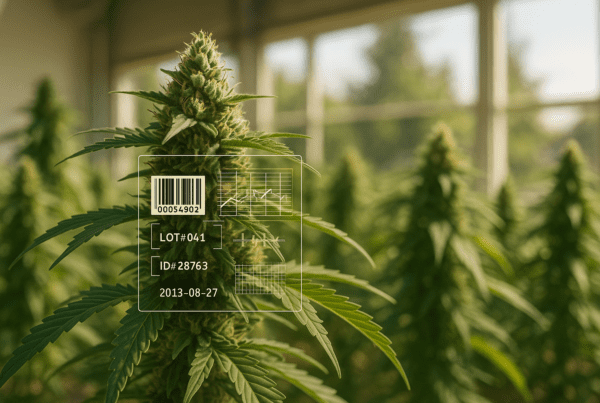
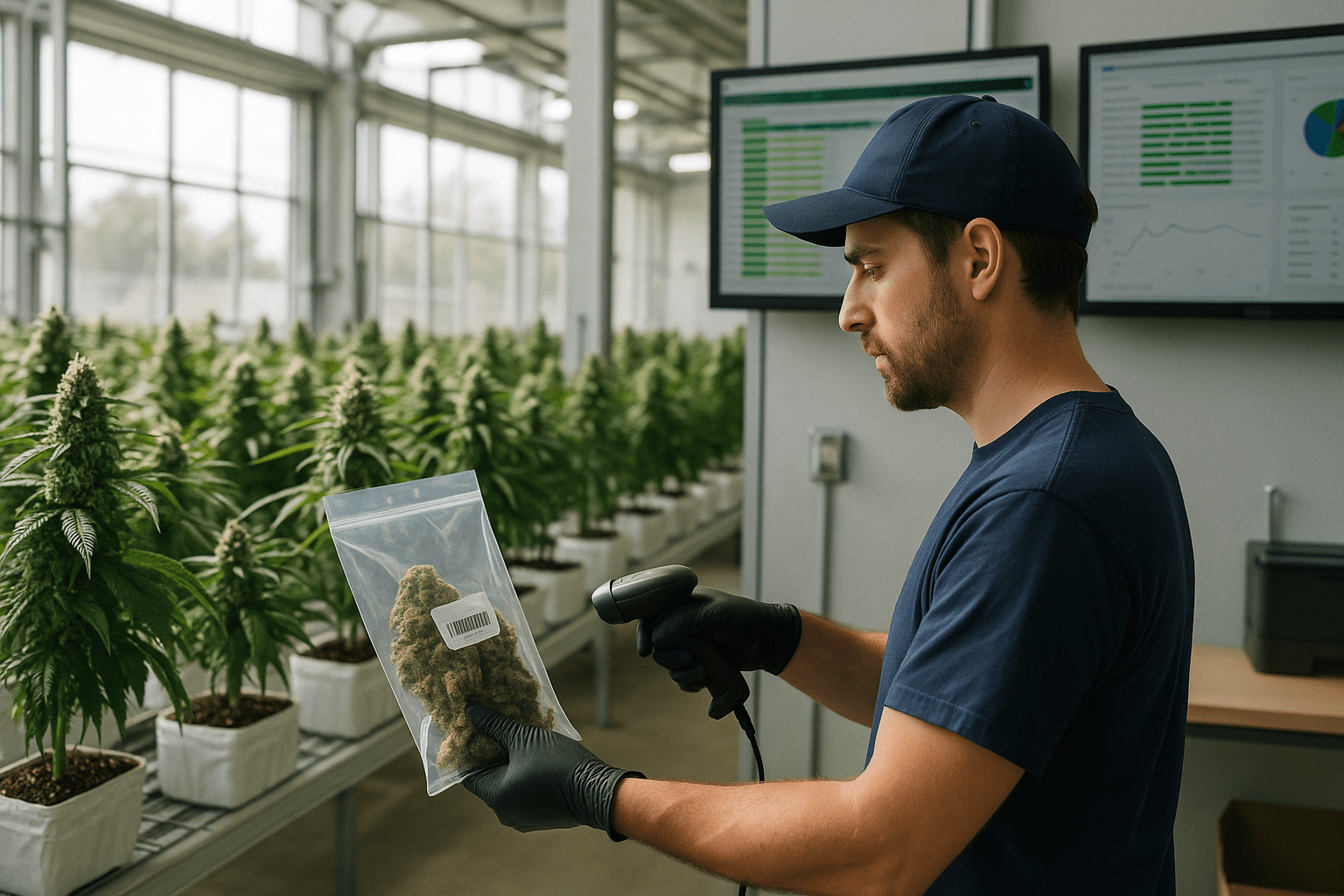
Scan technology, barcoding, and RFID tags have become more common in cannabis traceability. These tools can improve data accuracy and speed by automating inventory tracking and regulatory reporting. However, implementing these technologies presents its own hurdles.
Cannabis products vary widely-from flower and edibles to concentrates and topicals-each requiring tailored tracking methods. For smaller operators, the cost of adopting sophisticated technology systems, plus training staff, is often prohibitive. Larger firms may have more resources but still wrestle with integrating legacy systems or multiple software vendors.
Experts point out that even the best tech can only work when combined with clear processes and diligent personnel. One industry software developer emphasized, “Technology does not replace the need for thoughtful workflows and accountability. Traceability is as much about people as it is about machines.”
The role of traceability in building consumer trust
Beyond regulatory compliance, traceability systems serve as a tool for consumers seeking transparency. Detailed product histories, lab test reports, and origin stories increasingly appear as company selling points online and on packaging. Industry insiders consider this a positive development, encouraging higher quality standards and consumer confidence.
Yet the reality is nuanced. Traceability data can feel abstract or inconsistent to end users, especially when different brands use varied terminologies or verification marks. Some advocates call for standardization of data presentation to make product information more accessible and meaningful.
Moreover, the effectiveness of traceability systems in preventing counterfeit or illicit products remains a concern. While governments can track licensed goods, black market cannabis still finds ways to evade oversight. This ongoing tension challenges the industry’s broader goals of safety and legitimacy.
Looking ahead amid ongoing questions
Industry insiders see traceability systems as an evolving foundation rather than a finished product. The call for ongoing updates, better interoperability between software platforms, and closer coordination among regulators is clear. There is also recognition that one-size-fits-all systems may never fully capture the diversity of cannabis products and markets.
Some voices urge caution against overreliance on traceability technology as a silver bullet. They remind us of the value in hands-on compliance culture, industry education, and community engagement. These softer factors often distinguish successful cannabis businesses from those that struggle with regulatory complexity.
The cannabis industry’s relationship with traceability systems is a story still being written. The balance between innovation, regulation, and everyday grower and retailer realities reveals much about where cannabis governance stands today and where it might head. For an industry defined by change, flexibility and pragmatic learning seem to be the best bet for navigating traceability challenges.
For anyone watching or working within the cannabis sector, paying attention to how these systems develop will remain important. Tracking more than just product flow, traceability conversations reveal deeper questions about trust, control, and the future of this complex market.
Transparency mandates and technological tools have come far, yet their true test lies in continued adaptation and how well they serve the people behind the plants and the products on shelves.
More on cannabis regulation and traceability technology can be found through resources like the National Conference of State Legislatures and industry analysis from Cannabis Business Executive. Meanwhile, software providers such as Metrc highlight the technical side of traceability in regulated markets. These sources provide a window into the multifaceted landscape behind cannabis product tracking today.
Statements from insiders in recent cannabis industry reports also resonate in publications like Marijuana Industry News, which regularly cover compliance challenges and innovations among growers, processors, and retailers.
Observing and understanding these perspectives helps to deepen what might otherwise seem like dry compliance talk into a story of real people shaping an industry still finding its footing.
Sources and Helpful Links
- National Conference of State Legislatures, overview of state marijuana laws and regulations affecting traceability approaches
- Cannabis Business Executive, industry news and analysis focused on cannabis compliance and business trends
- Metrc, a major traceability software provider explaining their role and technology in product tracking
- Marijuana Industry News, ongoing coverage of cultivation, processing, compliance and regulatory shifts in cannabis