

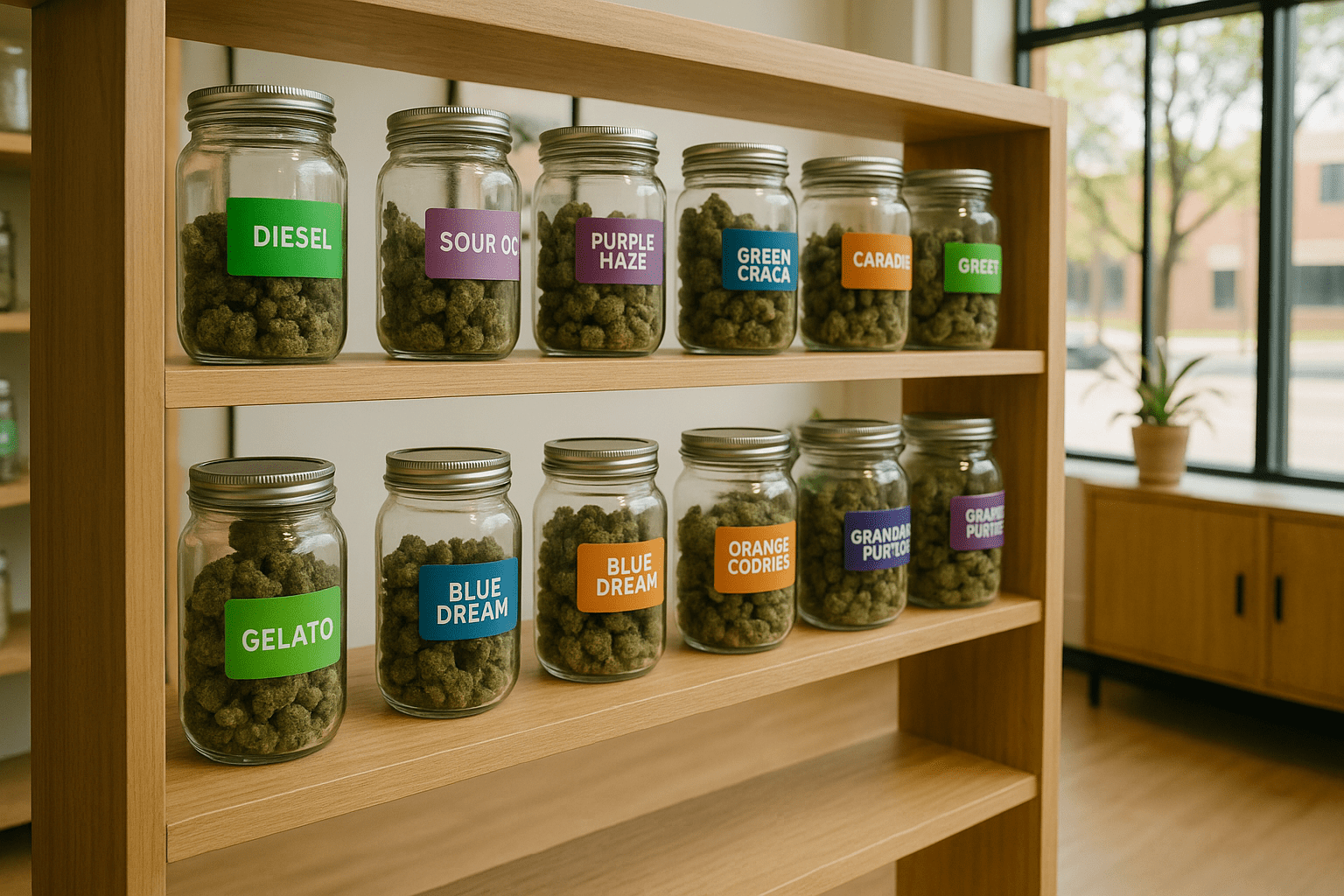
The unspoken language of cannabis names on shelves
Walking into a dispensary, a visitor immediately encounters a complex mosaic of strain names. These names aren’t just decorative; they serve as a kind of unspoken language shaping where and how products are placed. Bold fonts, imaginative artwork, and memorable words catch the eye, but behind that lies a careful arrangement meant to guide shoppers through choices without needing to ask questions.
Product managers and dispensary owners often face the task of arranging dozens, sometimes hundreds, of strains in a relatively small space. It’s rarely random. Instead, names help cluster products to highlight certain shared qualities or evoke specific moods. When you notice mythical names or edgy branding near the front glass cases, it’s often an invitation crafted to provoke curiosity and encourage a closer look.
Meanwhile, classic or recognizable strain names commonly find themselves closer to checkout lines or other high-traffic spots. These familiar names act as safety nets, catching shoppers who want a quick, trusted pick as they finalize their purchase. This kind of strategic positioning is a reminder that names act as a form of soft marketing, influencing what people reach for more than any detailed description might.
Names steering consumer expectations and trust
Choices on the shelf can feel overwhelming, particularly for casual users or those new to cannabis. Here, the strain name often becomes the first point of connection. Names suggesting calmness, energy, creativity, or relief tend to create instant expectations of what the effect will be like. This perceived connection helps consumers narrow their options quickly and with a degree of confidence.
Budtenders frequently report that customers will pick strains based mostly on names they recognize or like the sound of, even before asking about cannabinoid profiles or terpene content. In a fast-paced retail environment, the name becomes shorthand for a promise or an experience. That’s why some cultivators invest significant effort into naming a strain in a way that evokes certain feelings or memories.
Some strain names accumulate a reputation through word-of-mouth, online reviews, or social media chatter, reinforcing their position on the shelf over time. These names often merit premium placement, like eye-level shelves, because they attract repeat buyers and can drive impulse purchases just by their presence.
The challenge of balancing creativity and clarity
Creating a strain name walks a fine line between creative flair and consumer clarity. On one hand, a wildly imaginative or unusual name can set a strain apart in a crowded market and attract niche followings. On the other, overly obscure or abstract names might confuse shoppers or fail to communicate what they can expect. The risk is losing potential customers who don’t want to gamble on a name they can’t decode.
Experienced retailers often try to balance this by pairing the strain name with supporting information – whether that’s flavor notes, effects, or genetics – placed nearby on labels or shelf tags. These extra details help translate creative names into meaningful buying cues, making the shopping experience smoother without dampening brand personality.
Some breeders lean on references to flavor or lineage, using names that hint at the herbal or sensory experience within the product. These anchor points add a layer of familiarity that can expand appeal beyond just the visually striking packaging.
How regional culture affects naming and placement
Markets in different parts of the country or world bring their own flavor to how strain names are chosen and presented. In well-established or mature markets where customers are more educated about cannabis genetics and effects, names often cluster in ways that speak to those details. Shoppers in these regions may seek out strains grouped by family or typical outcomes, wanting to make informed, specific choices.
Conversely, in younger, recreational-driven markets, naming leans more heavily into lifestyle, mood, or imaginative themes. Names highlight how the product might fit into social gatherings, relaxation, or creative sessions, appealing more to emotional connections than technical details. In these places, shelf arrangements often reflect this focus by aligning products more around the feelings they propose to deliver.
Local culture also plays a role; names referencing regional landmarks, slang, or community jokes can grab attention and resonate strongly with nearby customers. These culturally rooted names help dispensaries feel more connected to their neighborhoods and provide unique local identity to their offerings.
Looking ahead to naming’s evolving role in retail
The cannabis industry’s growth beyond flower into edibles, concentrates, topicals, and other formats presents new challenges and opportunities for naming conventions. Maintaining consistency in strain names across different product types could build stronger brand loyalty and encourage cross-category purchases. When a shopper sees a favorite strain in edible or tincture form under the same recognizable name, it bridges their preferences and expands market reach.
At the same time, regulatory developments will likely shape how creative producers can be with strain naming in the future. Increasing calls for standardized labeling and more transparent ingredient disclosures may limit some of the more poetic or artistic license currently in use. Names may need to tread a careful path between excitement and compliance, pushing marketers to innovate within tighter bounds.
Ultimately, the story told by cannabis strain names reaches beyond fancy packaging or trendy labels. They reveal how words interact with psychology, culture, and commerce, influencing what people choose and how they experience cannabis at retail. These names guide hands on shelves just as much as they shape conversations and build community around shared experiences.
For those curious about the intersection of names, retail, and consumer behavior, resources like Leafly’s look into strain names and purchasing decisions offer thoughtful insights. The Cannabis Business Times roundtable on branding challenges further explores how names shape retail dynamics and marketing strategies. From a scientific angle, the National Center for Biotechnology Information article breaks down the impacts of branding on consumer perception in cannabis sales.
Every name on a jar says something – about the strain inside, the people who bred it, and the team that placed it on the shelf. Paying attention to these cues uncovers stories retailers tell quietly through their displays, stories that shape the culture of cannabis consumption as much as the flowers themselves.
Sources and Helpful Links
- Leafly – insights into how strain names shape consumer choices and sales patterns
- Cannabis Business Times – discussion on the complexities of cannabis branding and retail display
- National Center for Biotechnology Information – scientific article covering branding influence in cannabis marketing