
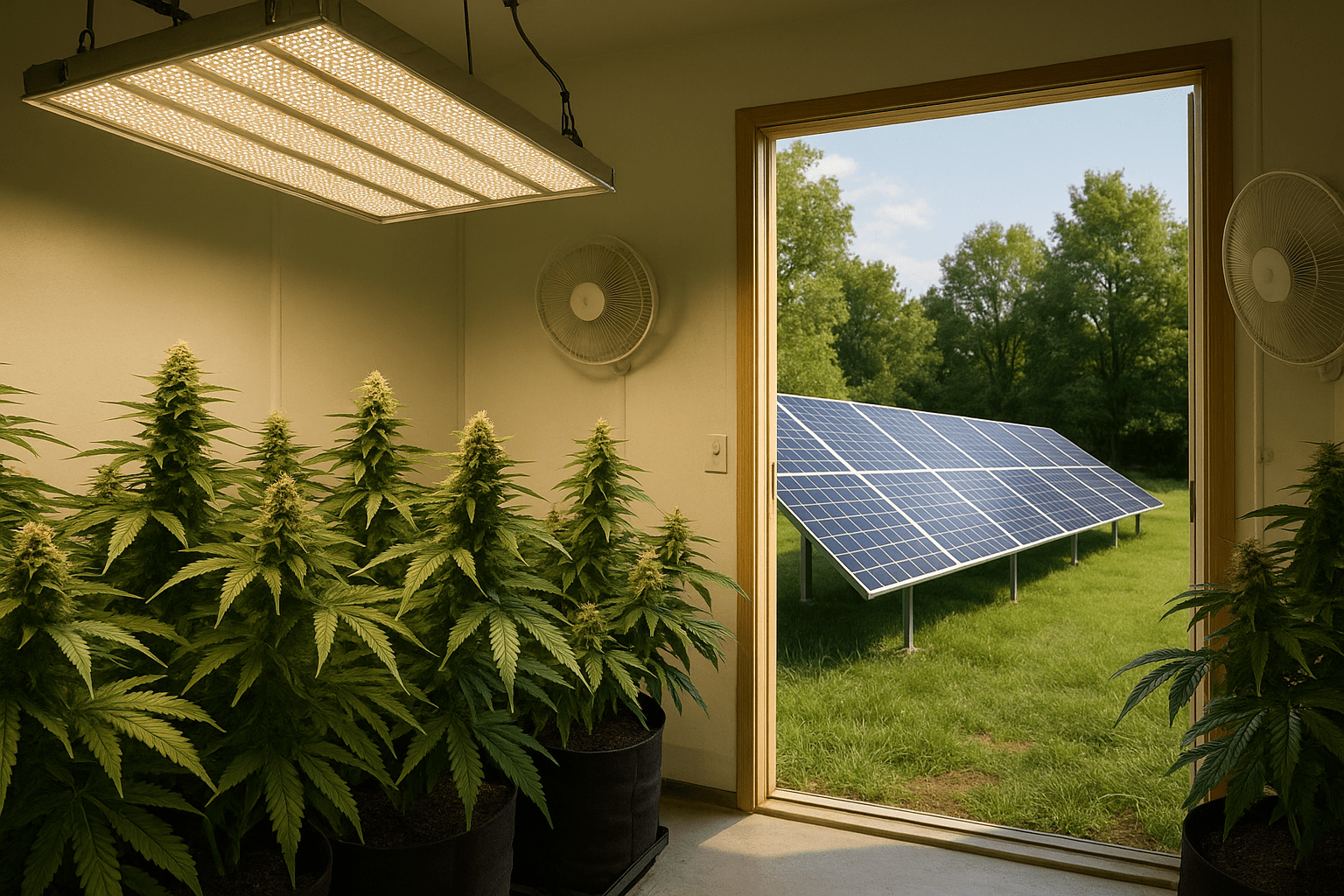
Indoor cannabis cultivation remains an energy-intensive endeavor, requiring a careful balance of lighting, ventilation, and climate control systems that consume significant electricity. Recent shifts in energy policies, particularly those targeting carbon emissions and encouraging renewable energy adoption, are adding layers of complexity to the economics behind growing cannabis indoors. These changes raise questions about cost management, compliance, and strategies that cultivators must consider as they navigate an increasingly dynamic environment.
Energy Costs Seep Into Cultivation Choices
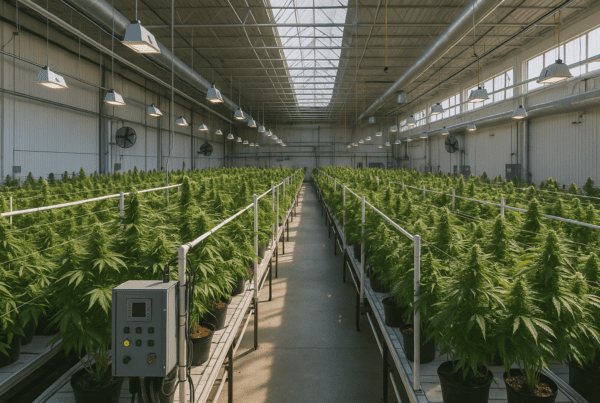
Electricity costs are no longer just a background expense for cannabis cultivators. New pricing models like time-of-use rates, peak-demand surcharges, and carbon pricing schemes have begun to reshape how growers approach their energy consumption. High-intensity discharge (HID) lighting has traditionally been a cornerstone of indoor grows, but its energy demands and heat output contribute heavily to operational expenses, especially when power prices spike during peak demand periods.
As a result, many are exploring alternatives such as light-emitting diode (LED) technology, which offers clearer energy savings and reduces cooling requirements by producing less heat. Despite the promise of LEDs, the transition involves high upfront costs for fixtures and modifying existing grow infrastructure. With energy policies and incentives subject to political and market shifts, cultivators face uncertainty about the return on investment, making the decision to overhaul lighting systems a careful calculation rather than an immediate move.
Compliance Requirements Gain Weight in Operations
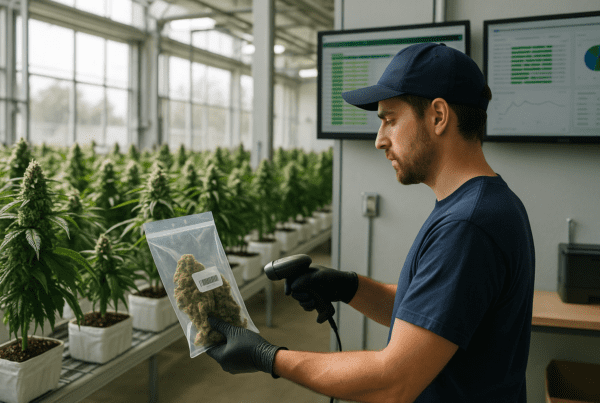
Energy-related regulations are spilling over into cannabis licensing and reporting processes in several jurisdictions. Regulators increasingly ask cultivators to track and report their energy use, sometimes as part of routine audits. These requirements might seem tangential to cultivation itself, yet they have practical consequences, especially for small to medium-sized operations that may lack dedicated staff to handle regulatory paperwork.
Beyond reporting, some areas tie energy consumption reductions or the incorporation of renewable energy systems to eligibility for licenses or renewal. Financial incentives like grants or tax breaks reward compliance, but failing to meet efficiency benchmarks can mean more expensive permits or licensing restrictions. This growing divide risks favoring larger, well-capitalized commercial cultivators who can invest in sustainable infrastructure over smaller growers who may find these barriers challenging.
Investing in Sustainability Under Shifting Policies
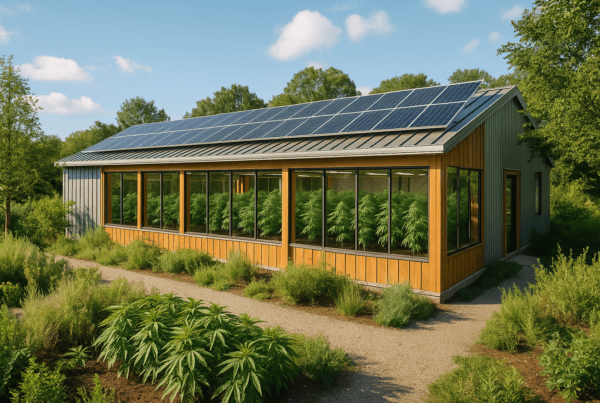
For larger producers, investing in solar arrays, battery storage, and precision environmental controls makes sense not only in reducing exposure to rising electricity rates but also aligning with longer-term regulatory trends. Such investments can lead to operational resilience, shielding growers from volatile energy markets and regulatory shifts. These growers often position themselves as leaders in sustainability, which is now increasingly valued by consumers and supply chain partners alike.
Smaller and mid-sized operations encounter a different reality. The expense of green technology upgrades can be daunting when incentives and rebates are uncertain or vary widely across regions. Doubts about the longevity of incentive programs or sudden changes in carbon pricing keep many from committing capital, maintaining a wait-and-see stance until clearer policy signals emerge.
Reexamining Cultivation Methods
Adjustments are not limited to equipment upgrades. Cultivators are experimenting with scheduling growth activities during off-peak electricity hours to reduce bills without costly capital upgrades. Others blend indoor techniques with greenhouse environments to tap into natural sunlight, effectively reducing the need for artificial lighting.
These approaches indicate a broader recognition that energy is not a static utility cost but a defining factor in how cannabis is grown, priced, and marketed. The environmental impact of cannabis cultivation has garnered attention from regulators and consumers, encouraging growers to pursue a balance between operational costs and sustainable practices.
Energy Policy as a Moving Target for Growers
The trajectory of energy policy in cannabis cultivation remains uncertain as governments juggle climate objectives with economic and infrastructure realities. Indoor growers must stay alert to evolving regulations, seek collaborative opportunities with utilities, and maintain operational flexibility to adapt to changing electricity rates and policies.
Although these developments introduce complexity, they also create avenues for innovation and leadership within the cannabis industry. Energy consumption is stepping into the spotlight with a renewed sense of importance, influencing conversations about cost control, regulatory compliance, and environmental responsibility like never before.
For cultivators seeking guidance, agencies focused on renewable energy, along with cannabis industry news outlets, offer valuable updates and case studies. Examining how regions with advanced energy policies address cannabis cultivation can offer useful lessons and inspire new practices that balance efficiency, compliance, and profitability.
U.S. Department of Energy Solar Energy Technologies Office shares information about the latest advances in solar and renewable energy technologies relevant to cultivation sustainability.
Natural Resources Canada offers reports and insights into sustainable energy use, with applications across energy-intensive industries including agriculture.
Leafly Industry News provides up-to-date coverage of the cannabis market, including regulatory developments and energy-related concerns.
Cannabis Business Times regularly discusses the intersection of cultivation technology, energy costs, and policy impacts impacting cannabis operations.
Sources and Helpful Links
- U.S. Department of Energy Solar Energy Technologies Office with resources on renewable energy technologies applicable to cultivation sustainability
- Natural Resources Canada offering comprehensive insights into sustainable energy use policies and statistics
- Leafly Industry News covering cannabis market and energy policy developments
- Cannabis Business Times discussing cultivation costs, energy strategies, and regulatory impacts in cannabis sectors