

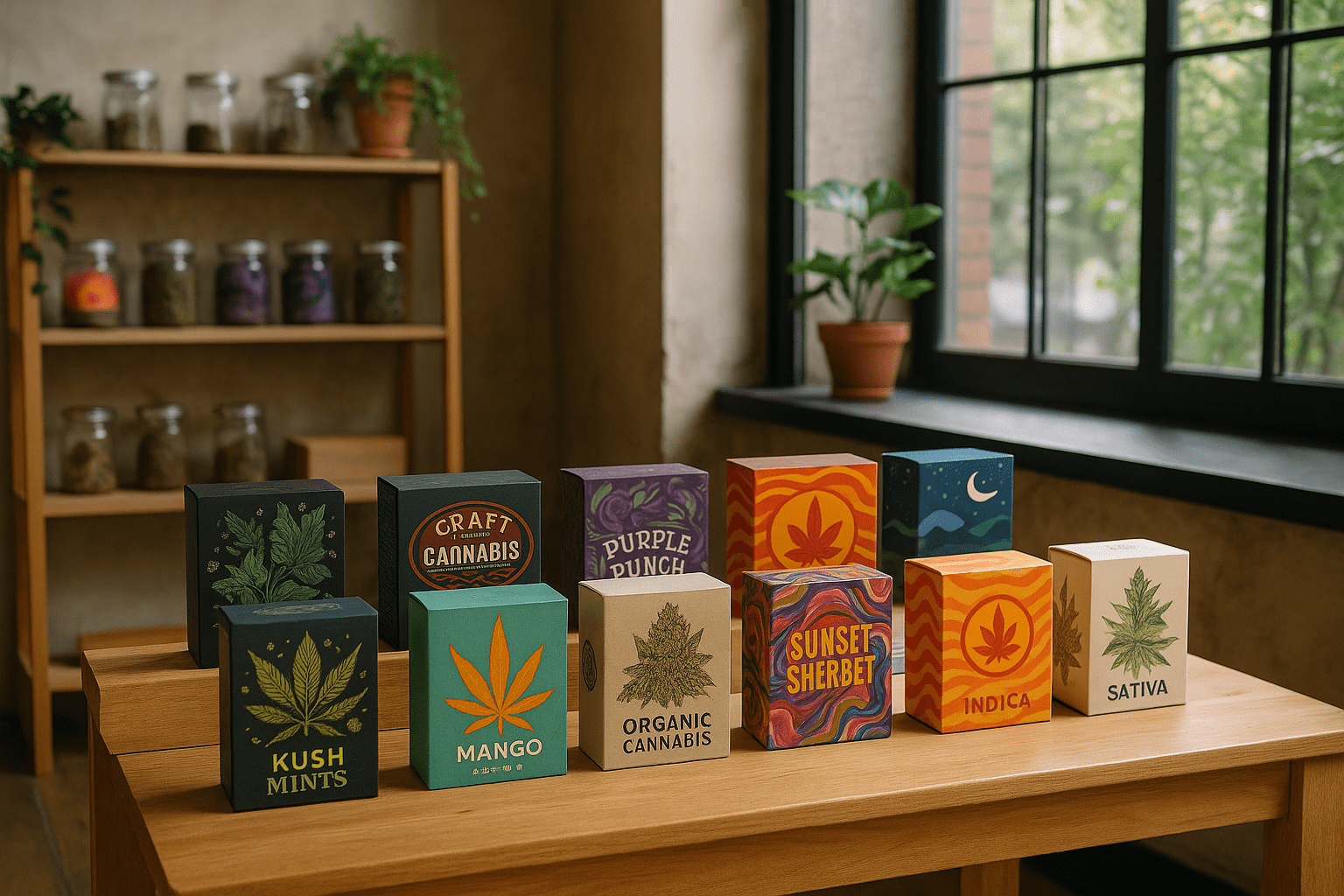
It is interesting to watch the ways craft cannabis branding is evolving as the industry matures and the consumer base shifts. Those early days when small growers could rely primarily on the strength of their genetics and grassroots reputation are noticeably changing. A steadily growing market, regulatory pressures, and shifting consumer expectations all contribute to a more complex branding landscape. These changes ripple into market positioning and how craft producers carve out their distinct places amid larger commercial entities.
The subtle evolution of identity beyond the product itself
Craft cannabis has long been associated with a sense of authenticity, an emphasis on quality, and a story that connects the grower to the consumer. But as the shelves fill with more options, simply marketing quality or unique genetics is not always enough. The branding now extends far beyond the product, into lifestyle, visual storytelling, and emotional connection.
One noticeable pattern is how artwork and packaging have become a battleground for attention. More craft brands are employing designers who bring aesthetic approaches reminiscent of artisanal food, craft beer, or even boutique skincare. The visual narrative often conveys a sense of place, craft heritage, or natural ingredients, inviting consumers to associate the product with values like mindfulness or sustainability.
This kind of branding plays with subtle cues: earthy color palettes, hand-drawn typography, or labels that look like they were made on a printing press. The result creates a tactile experience even before the product is consumed, which builds trust and curiosity along with a hint of exclusivity.
Consumer tastes and the demand for transparency
Alongside shifting visual styles, consumer expectations increasingly emphasize transparency and ethical cultivation practices. Craft cannabis brands are responding by incorporating these principles into their messaging. References to organic methods, pesticide-free cultivation, or small-batch production often appear strategically on packaging or online.
More broadly, consumers seem to be paying closer attention to the companies behind the products. This includes where and how plants are grown, who the growers are, and even the science behind the strains. The play between traditional craft storytelling and modern transparency is layered. It demands that branding convey both heritage and data-driven credibility.
This push has encouraged brands to integrate QR codes linked directly to lab results or cultivation videos. While it might seem like a minor addition, it signals a move toward accountability and deeper consumer engagement. This practice reflects a broader societal trend that values informed choices and corporate responsibility.
Market positioning amid growing competition
The craft cannabis sector faces increasing competition not just from similar small producers but also from large cannabis companies adopting craft elements in their branding. Larger players have marketing budgets that dwarf many craft operations, and they aim to reassure customers by embracing authentic storytelling and artisanal cues.
As a result, some smaller brands feel pressure to sharpen their niche focus, clearly defining what sets them apart. That might mean highlighting regional roots, unique terpenes, or even collaborations with artists or local businesses. This narrowing of identity helps maintain a loyal audience in an environment where widening appeal could dilute their core values.
Interestingly, some consumer communities resist overt branding polish, craving instead the raw and imperfect qualities that initially sparked interest in craft cannabis. This tension creates a delicate balance for brands to appear professional and trustworthy without losing the genuine character that attracts core supporters.
The role of storytelling and cultural resonance
Storytelling remains a linchpin of craft branding, but the approach is becoming more nuanced. Instead of straightforward origin tales, many brands mix narratives that touch on cultural history, environmental consciousness, and even social justice. These layers help create associations beyond the individual product, tapping into movements or shared values.
For example, brands connected to Indigenous growers or those emphasizing environmental restoration efforts weave these stories into the consumer experience. These narratives foster a richer connection and can influence how products are perceived in terms of value and ethics.
These developments tie into a broader cultural dialogue about cannabis, where consumption intersects with identity, politics, and social change. Craft brands that recognize this can position themselves as allies or leaders rather than merely product providers.
Expanding horizons and new challenges
As craft cannabis grows more sophisticated in branding, there is also an expansion in the types of products offered. Beyond traditional flowers and concentrates, many craft producers explore edibles, topicals, and wellness-oriented formulations. Branding has to adapt to these diverse categories, finding fresh ways to communicate craft values across different consumer experiences.
At the same time, regulatory environments continue to shape how far branding can stretch. Packaging must navigate strict rules on claims, health warnings, and ingredient disclosures, which sometimes conflict with more expressive or subtle branding efforts. Craft brands often need to find creative solutions within these constraints to maintain their distinctiveness without running afoul of regulators.
Moreover, the rise of e-commerce and social media changes how brands engage with consumers. Online narratives can deepen storytelling with video content, grower profiles, and interactive experiences. This digital presence often complements physical packaging but also demands authenticity as consumers can quickly spot disingenuous marketing.
This evolving landscape means craft brands must be nimble and attentive to signals from their communities. Listening closely to consumer feedback, cultural currents, and regulatory shifts helps them refine their positioning. It’s a balancing act between maintaining artisanal integrity and embracing innovations that keep the brand relevant.
Watching this play out in real time offers insight into how craft cannabis might continue to evolve, not just in terms of what ends up in a consumer’s hands but in how those products convey identity and values on a crowded dispensary shelf.
Brands continuing to listen carefully to their communities, embrace honest storytelling, and maintain high cultivation standards seem best equipped to thrive amid these ongoing shifts.
In the end, the craft cannabis story is still unfolding, shaped by growers, consumers, and culture all at once.
Sources and Helpful Links
- Brookings Cannabis Industry Trends – A detailed report on cannabis industry developments and market dynamics.
- Leafly Cannabis Labeling Laws – An overview of labeling requirements and consumer protection in cannabis products.
- Cannabis Industry Journal on Branding – Insights and case studies on cannabis brand strategies and market positioning.