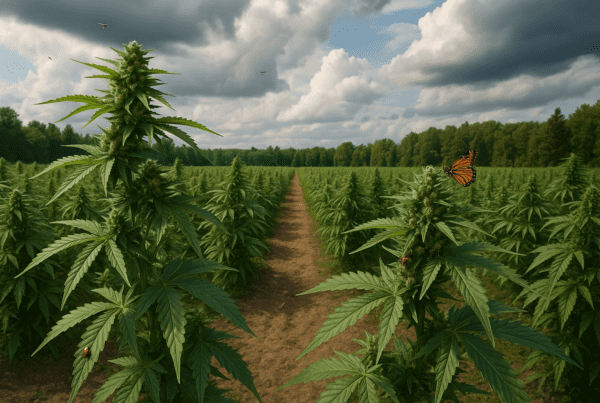

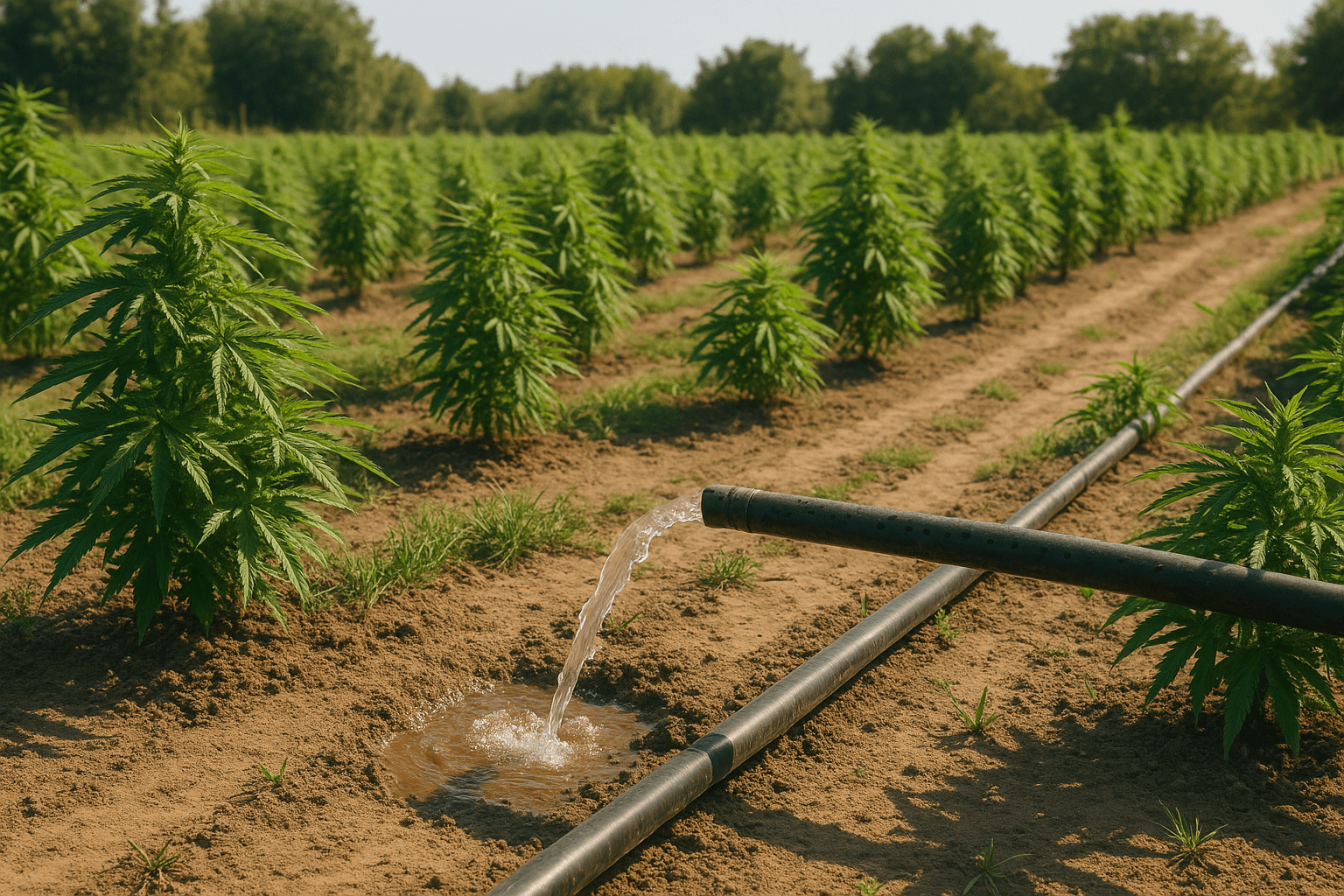
Walking through outdoor cannabis fields in various regions, there is an increasingly common conversation among growers about water quality. What used to be a fairly consistent source of irrigation has become more variable, even unpredictable in some places. These shifts in water chemistry, often subtle but persistent, are quietly reshaping how growers approach their plants and the results they get from each harvest.
Unfolding Patterns in the Water Landscape
Water, after all, is the primary medium these plants rely on for everything from nutrient uptake to temperature regulation. But around the world, regional water supplies have been affected by industrial runoff, altered land use, and climate factors that concentrate salts or introduce new contaminants. Even when growers don’t immediately see a difference in water color or smell, tests routinely reveal changes in mineral content, pH levels, and presence of substances like heavy metals, nitrates, or pesticide residues.
In California’s agricultural zones, for example, growers have reported increases in salinity and occasional spikes in nitrogen compounds that can alter soil chemistry over time. This is consistent with observations shared by researchers from California’s State Water Resources Control Board, where runoff patterns and groundwater levels are shifting with extended droughts and changing precipitation. Growers in other states with emerging outdoor markets, such as Oregon or Colorado, are noting similar concerns, sometimes linked to legacy mining or farming practices influencing groundwater purity.
When Water Quality Meets Plant Needs
The direct impact on cannabis is multifaceted. Plants have a limited tolerance for changes in pH, mineral salts, and certain toxins. For growers relying on natural water sources, fluctuating water conditions can lead to deficiencies or toxicities invisible at first glance. For example, excess salts in irrigation water tend to accumulate in the root zone and impede water uptake, causing symptoms like leaf curl, slower growth, or patchy development.
Hydroponic and indoor growers can filter and amend water more aggressively, but outdoor cultivators often face limits on what adjustments are feasible, especially when managing large acreage. The challenge becomes navigating between the natural variability and the plant’s nutrient requirements, while keeping a close eye on soil and leaf symptoms.
In some cases, poor water quality accelerates problems with soil structure as well. Areas with higher sodium levels may see dispersion of soil particles, leading to compaction and poorer drainage. This in turn affects root oxygenation and the soil microbial community, critical elements for healthy cannabis growth.
Adaptations and Observations from Growers
Faced with these pressures, many experienced outdoor cannabis farmers have started to collect water samples more regularly. This habit, once rare, now allows them to track seasonal shifts and incorporate water analysis into their overall cultivation strategy. Adjusting nutrient mixes and timing irrigation differently are common responses.
Some are even turning to natural or engineered filtration systems. Simple options range from sand or activated charcoal filters that remove certain contaminants, to more complex reverse osmosis setups. These interventions add cost and complexity but sometimes prove necessary in regions where water quality declines are most severe.
Another trend is increased attention to native soil health to buffer chemical imbalances in irrigation water. Building organic matter through cover crops or compost helps improve soil’s ability to retain moisture and nutrients, and encourages a resilient microbial population. For many growers, these traditional soil management practices now serve as a frontline defense against the unpredictability of water sources.
Looking Past the Water Tap
It is also worth noting the broader environmental context behind these water quality changes. Industrial activities, urban expansion, and shifting agricultural practices all play a role. Cannabis cultivation, especially when scaled outdoors, must contend with these realities as part of its ecological footprint and operational risks.
Regulators and support organizations have taken notice. Programs aimed at educating farmers on water conservation and best practices also increasingly include an emphasis on testing and managing water quality. Cannabis-specific resources from groups like the Natural Resources Conservation Service highlight the importance of protecting water supplies for sustainable agriculture.
Outdoor cannabis remains tightly linked to its environment, far more than indoor operations where conditions can be tightly controlled. As a result, the invisible variable of water quality is becoming a critical factor in long-term cultivation success.
Aside from irrigation, water also affects the microbial life and biodiversity around the crop, facets increasingly valued by growers aiming for organic or natural cultivation methods. A single change in water chemistry can ripple through these delicate ecosystems, influencing pest populations and disease resistance over time.
Ultimately, the evolving story of water quality in cannabis agriculture underscores the complexity and interconnectedness of farming living plants outdoors. Water is just one piece, yet it connects climate, soil, human activity, and plant vitality in a tangible way that growers are learning to respect and adapt to more every season.
For those following developments in outdoor cannabis cultivation, the topic of regional water quality is worth watching closely. It may shape the contours of where and how cannabis thrives as much as genetics or climate itself.
Observed changes are prompting a more nuanced appreciation among growers, highlighting the quiet conversation between the land, water, and plant that unfolds with each harvest.
To stay informed on water quality and cannabis cultivation adaptations, growers and interested readers can explore resources like the EPA’s Ground Water and Drinking Water page, which offers insight into water contaminants and standards, or industry information reported by Leafly’s cultivation section.
Each harvest season adds new details to an ongoing story about resilience, environment, and the shifting mosaic of regional water quality.
Sources and Helpful Links
- California State Water Resources Control Board – Information on water quality programs and regional water conditions.
- Natural Resources Conservation Service – Resources for agricultural water management and conservation.
- EPA Ground Water and Drinking Water – Insights into water contaminants and safe drinking water standards.
- Leafly Cultivation Resources – Educational materials and updates on cannabis growing practices.