
Coastal climates have always offered a unique set of conditions for cannabis cultivators. The combination of salt breezes, mild temperatures, and naturally higher humidity levels creates an environment that is at once promising and persistently tricky to control. Indoor growers in these regions have long adapted their techniques to manage moisture inside grow rooms, but recent patterns suggest that humidity challenges are intensifying. Whether from subtle shifts in seasonal weather or broader climate trends, managing humidity indoors is becoming a more critical part of a successful cannabis cycle for coastal growers.
Humidity and Its Unseen Influence on Indoor Crops
Humidity is not just a number on a gauge; it actively influences how plants transpire, absorb nutrients, and resist diseases. In coastal zones where outdoor relative humidity often hovers in the 70 to 90 percent range, the air that slips or leaks indoors carries that moisture with it. For cannabis plants grown inside, even slight rises in indoor humidity can push conditions beyond the threshold that molds and mildews favor.
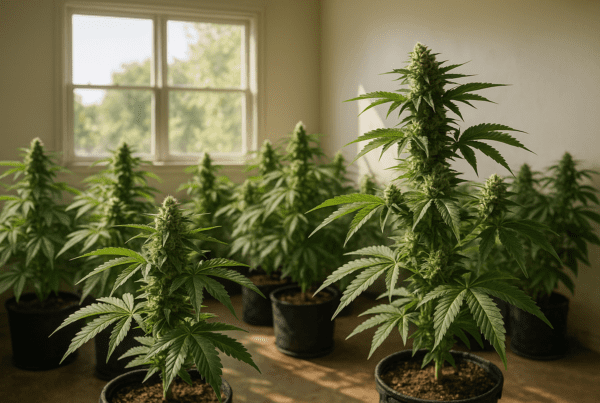
High humidity during the flowering phase, for example, can encourage the growth of powdery mildew or botrytis, threats that growers know can devastate yields or degrade quality. Even root zones react to ambient moisture. Excessive humidity links to damp media and root diseases, complicating nutrient uptake at crucial stages of growth. With these layered effects, humidity is more than just an environmental factor; it dictates key physiological responses and overall plant resilience.
Common Practices Taking New Shape
Long-standing strategies like strategic ventilation, dehumidifiers, and cautious watering remain essential, but growers are tuning these practices more finely. The nuances arise from how humidity interacts with temperature, plant density, and even light cycles indoors. Observant growers note that the timing of ventilation now holds greater importance, moving away from a fixed schedule toward monitoring when moisture peaks during the day.
Some cultivators have begun pairing traditional oscillating fans with air movers directed near problem spots, such as dense bud sites, to curb stagnant pockets of humid air. Others integrate hygrometers at multiple points in the grow space rather than relying on a single general reading. This distributed approach helps identify microclimates where humidity lingers and molds may germinate unseen.
Another subtle shift appears in how irrigation is handled. Some growers make use of automated systems that adjust watering not just on a fixed routine but considering current humidity readings, intending to avoid excess moisture buildup around the root zone. This dynamic approach is a play to find balance, pushing against the tendency to overwater in moist environments, a common pitfall in coastal indoor grows.
Technology and Environmental Controls in Play
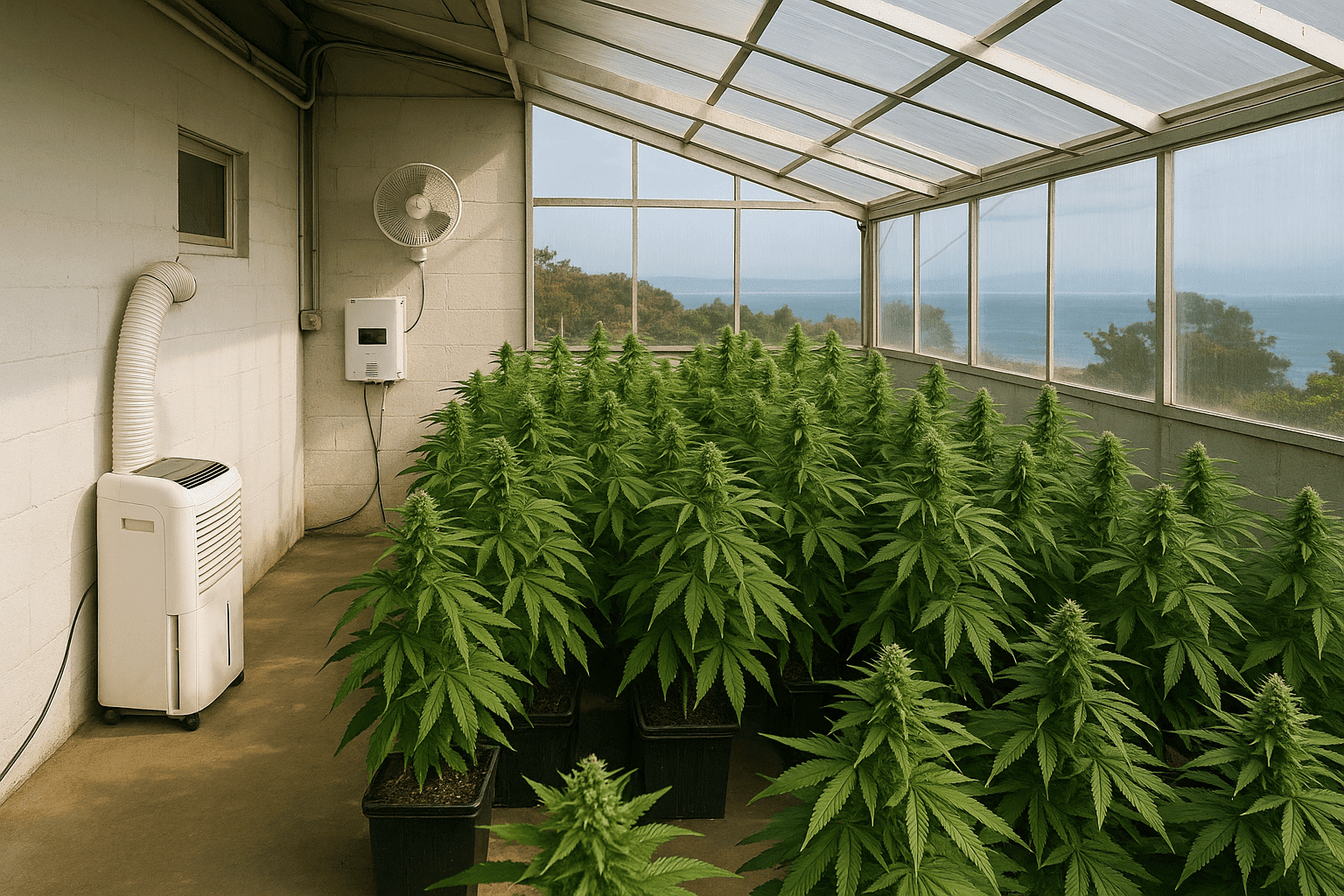
Modern growers increasingly turn to integrated environmental control systems. Advanced controllers allow precise manipulation of humidity alongside temperature, CO2 levels, and light intensity, reflecting a trend toward automation tailored for coastal humidity challenges. Though such systems come at a premium, their data-driven adjustments bring a level of stability less susceptible to unexpected humidity swings or human error.
Dehumidifiers continue to be cornerstones of these setups, but their use is nuanced. Instead of maxing out capacity, growers aim for steady removal of moisture to maintain relative humidity between 45 and 55 percent during flowering. This window is widely acknowledged as a sweet spot for cannabis health indoors, but reaching it in coastally influenced air needs more than just brute force. Some cultivators find that pairing dehumidification with slightly cooler temperatures helps because cooler air holds less moisture overall, softening the demand on mechanical systems.
Looking at the Bigger Picture
The broader environmental context matters, especially as climate patterns evolve. Reports from agricultural and climate research indicate that coastal humidity averages have crept higher in recent decades, with wetter winters and warmer springs in many areas known for cannabis cultivation. For indoor growers who cannot simply step outside to escape seasonal humidity swings, the challenge lies in constantly adjusting indoor environments in response.
Some growers are embracing hybrid approaches that blend indoor precision with partial exposure to fresh air via filtered intake systems and humidity buffering through materials like zeolite or silica gel packs. These methods attempt to borrow from natural ventilation benefits without compromising control.
While there is no one-size-fits-all remedy, local grower communities often exchange insights about effective humidity management, comparing notes on operational tweaks, cost-effective gear, and even novel approaches like UV light supplementation which may help reduce mold risk under high humidity conditions. The empirical knowledge shared in forums and regional grow groups amplifies the collective understanding about managing these tricky environments.
The challenges brought on by rising humidity in coastal indoor cannabis grows are far from simple, but neither are the responses. They reflect a deepening relationship between cultivators and their environment, where success hinges on careful attention, adaptive strategies, and sometimes embracing technology designed for complexity. Watching how these practices evolve offers a clear window into the craft of cultivating cannabis in places shaped by moisture and mist.
For those interested in the specifics of environmental control, tools like the EPA’s guide on indoor mold and humidity provide detailed background on managing moisture indoors. Growers also often consult resources like Growers Network for community advice and discussions focused on humidity challenges. Research articles, such as those found on NCBI, explore plant responses to humidity, offering scientific context to cultivation observations.
As the environment outside changes little by little, indoor growers seem to echo a steady message: observation and adaptation are at the heart of controlling the invisible forces that shape cannabis quality and yield, especially in the humid edges of the world.
Sources and Helpful Links
- Environmental Protection Agency on indoor mold and humidity – Guidance on managing indoor moisture and mold issues.
- Growers Network – Resource and community forum for cannabis growers sharing humidity management strategies.
- NCBI research on cannabis and humidity – A scientific perspective on plant response to environmental moisture.