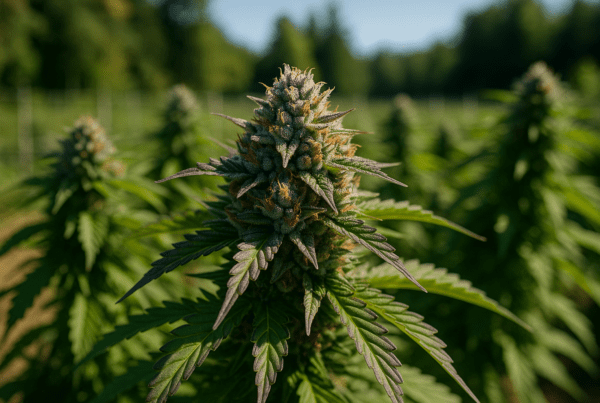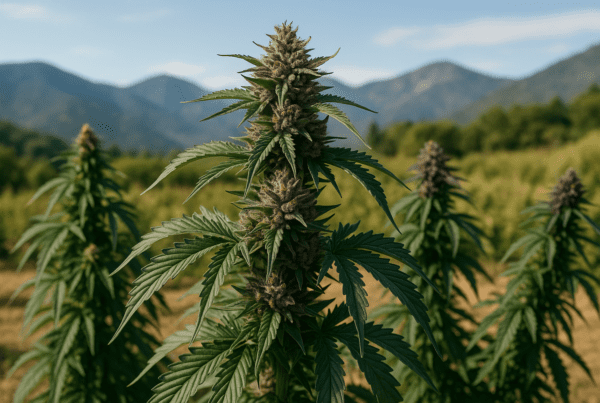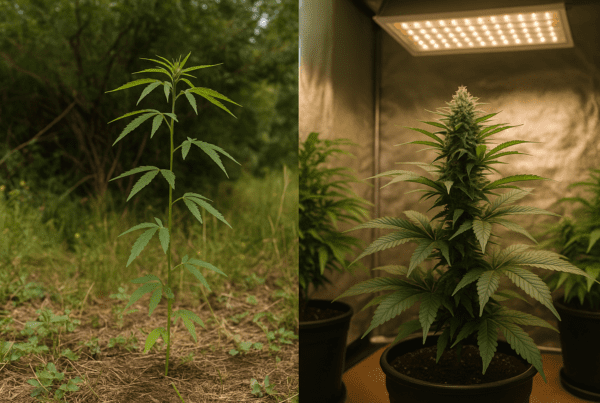

Anyone who spends time around cannabis cultivation soon realizes that plants do not all behave the same way, even when the genetics look alike. Just as wine grapes express subtle differences depending on their soil, climate, and care, cannabis plants can develop unique characteristics that reflect the environment where they grow. Among the many factors that shape these differences, the role of soil microbiomes has quietly gathered attention as a key influence running beneath the surface.
A quiet ecosystem beneath each plant
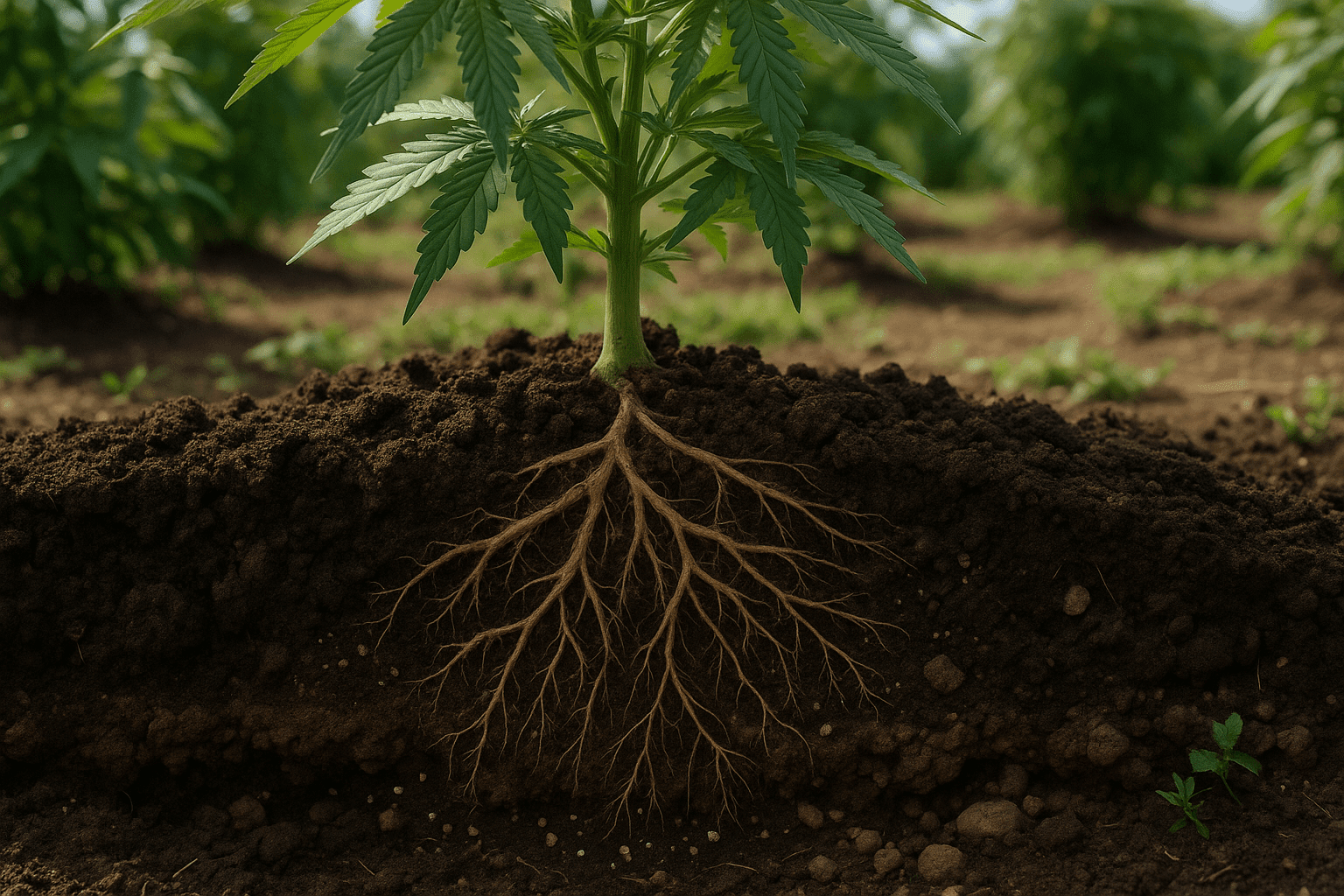
It is easy to overlook what is crawling and thriving underground. Soil microbiomes form complex, dynamic ecosystems, teeming with bacteria, fungi, and other microorganisms living in close association with plant roots. These networks affect nutrient availability, root development, and even how plants respond to challenges like stress or pests. While growers have traditionally focused on nutrients, sunlight, and water, the living biological life in the soil may be just as crucial.
Much of what soil microbiomes do happens at microscopic scales. Bacteria break down organic matter, transforming it into nutrients plants can absorb. Certain fungi develop symbiotic relationships called mycorrhizae, which expand root networks and improve access to water and minerals. Other microbes act as natural defenders, suppressing harmful pathogens or stimulating the plant’s own immune responses. The overall composition of these microbial communities varies dramatically, shaped by geography, soil type, climate, and cultivation methods.
The clues soil microbes leave in cannabis traits
One of the intriguing puzzles for growers and breeders involves how cannabis plants can display different chemistry despite identical genetics. Two clones grown in different soils may develop distinct terpene profiles or resin concentrations. This divergence suggests that soil microbiomes are influencing plant development and expression in significant ways, adding an invisible dimension to the concept of terroir.
Scientific observations point toward a pattern: soils rich in microbial diversity often correspond with cannabis plants that produce more pronounced cannabinoids and terpenes. This translates into differences consumers might recognize as aroma complexity or potency variations. Conversely, soils depleted of beneficial microbes may lead to plants that appear less vigorous or produce muted flavors.
These insights echo similar research in crops like grapes and coffee, where terroir-the unique characteristics imparted by place-is partially rooted in soil biology. Cannabis, a younger subject of agricultural science, is beginning to reveal comparable relationships. Understanding how microbes shape local signatures could help explain why cannabis from one region feels distinct from another even when cultivated with similar genetics and care.
The subtle human hand changing invisible networks
Soil microbiomes can be fragile and particularly sensitive to farming practices. Heavy tillage, use of synthetic fertilizers, and pesticides may disrupt the delicate balance of microbial life, potentially degrading the natural processes that support plant health. On the other hand, approaches that prioritize soil organic matter, minimal disturbance, and diverse plant cover tend to cultivate richer microbiomes.
Some growers experiment with microbial inoculants or compost blends designed to restore or boost beneficial soil life. While these can sometimes enhance outcomes, results vary widely depending on the existing soil ecosystem. Microbes adapted to one locale may not perform the same when introduced elsewhere. This points to a complex relationship where regional soil history matters deeply.
Ultimately, this dynamic underscores that terroir is not something easily copied or engineered. The hidden microbial communities form part of an ecological context that includes place, climate, and cultivation choices at once. Learning to respect and nurture these networks rather than disrupt them emerges as a key insight.
Growing aware of the underground partners
For cannabis cultivators, recognizing the role of soil microbiomes suggests a shift from purely chemical or environmental inputs to a more holistic view. Healthy soil biology can enhance nutrient cycling and bolster plant defenses naturally, potentially reducing reliance on synthetic additives. Practices like cover cropping, mulching, and using compost teas are gaining interest for their role in fostering vibrant microbial communities.
Observing changes in soil health over multiple seasons helps growers understand how different approaches impact not just the soil, but the plant quality and behavior. This ongoing feedback loop connects the invisible microbial world to the visible results in cannabis flowers, terpene profiles, and yields.
For consumers, appreciating that cannabis terroir includes microbiomes deepens the story of quality. This understanding extends the conversation beyond genetics and climate, inviting a broader appreciation for the environments that quietly shape each harvest. Those subtle variations reflect the collaboration between plant, soil, and microbes in a particular spot.
Though research is still growing, resources such as the NASA Soil Microbial Ecology Project provide foundational insight into soil ecosystems. Cannabis-focused publications like the Cannabis Industry Journal keep track of emerging studies that explore these connections in more detail.
Exploring soil microbiomes opens a new way to understand cannabis cultivation as an interplay of living systems. It invites both growers and consumers to look beneath the surface of each plant, discovering networks of life that quietly help define the unique character of cannabis around the world.
Sources and Helpful Links
- NASA Soil Microbial Ecology Project, a resource covering soil ecosystem studies and microbial activity.
- Cannabis Industry Journal, a publication featuring cannabis cultivation research and industry news.
- USDA Soil Health, an overview of soil health concepts and best practices from the U.S. Department of Agriculture.