
Shifting Weather and the Quiet Adaptations of Cannabis
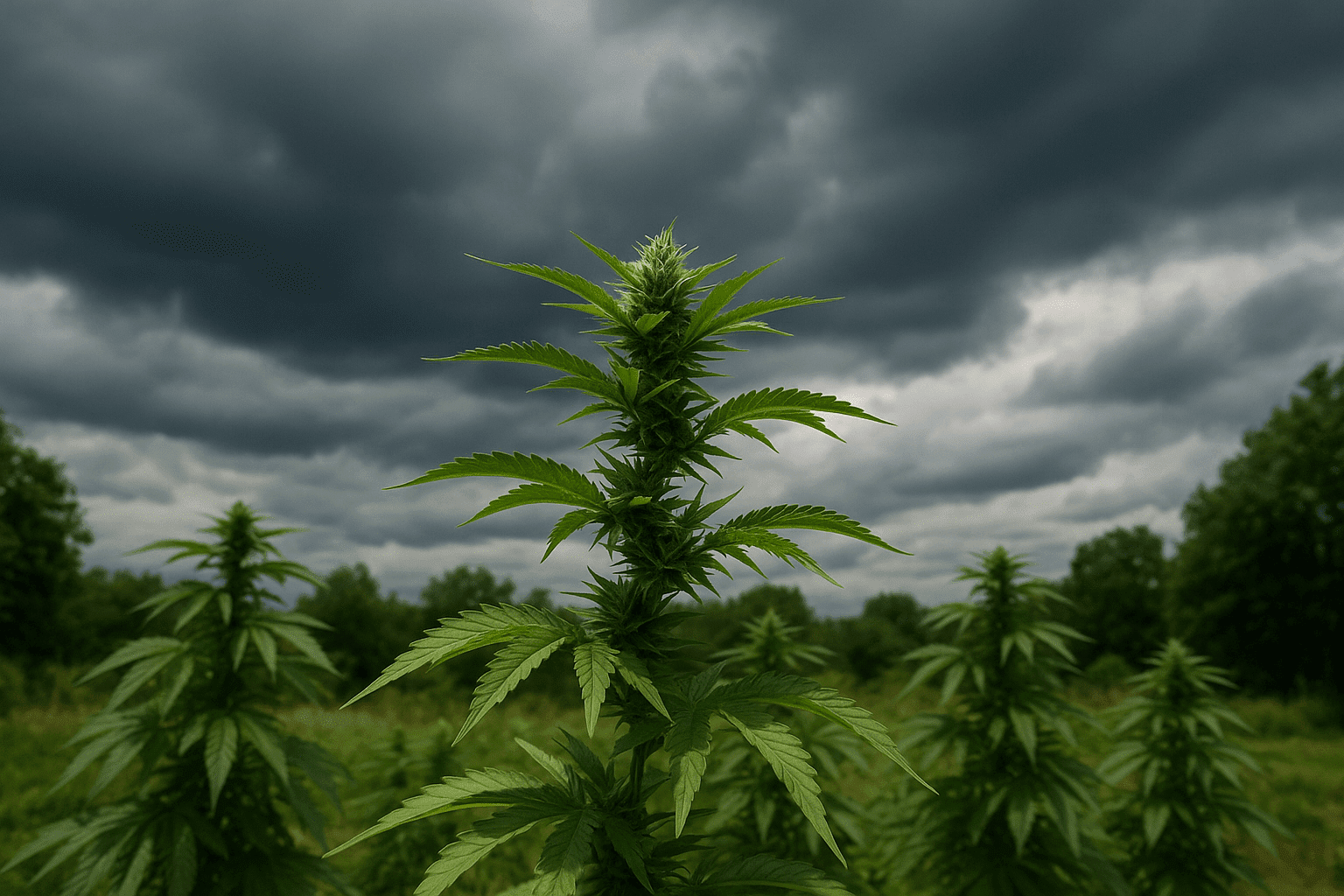
Across many growing regions, the weather no longer follows familiar rhythms. Seasons start with one expectation, only to surprise with sudden rain, dry spells, or unexpected temperature swings. For cannabis cultivators, this means observing plants in ways that differ from the past. What once seemed like routine growth now feels like a daily negotiation with the climate.
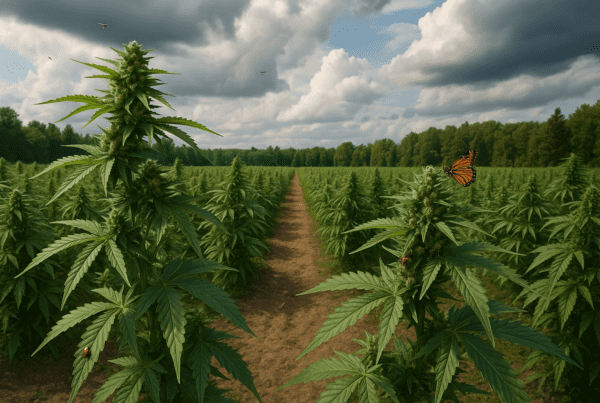
Cannabis has long been prized for its toughness, but current conditions are testing limits and flexibility in new ways. Outdoor growers and those working in greenhouses report seeing plants bounce back differently after abrupt changes. Some delay flowering until the environment seems stable, signaling an instinct to protect reproductive stages. In other cases, plants seem to tolerate temperature drops better than before.
These subtle reactions suggest that cannabis genetics might include a suite of responses shaped by ongoing environmental pressures. The plant’s ability to adapt day to day stands out more as weather becomes less predictable, offering insights into how resilience unfolds beyond simple survival.
Patterns in Stress Response Become More Apparent
Erratic weather shines a light on familiar plant stress signs, but with new nuances. For example, leaf curling typically indicates heat or nutrient issues. Lately, growers notice that leaves sometimes curl during heat waves but then recover quickly without intervention, hinting at an adaptive response rather than damage.
Color changes, such as deepening purples during cold snaps, also appear to serve roles beyond aesthetics. This pigmentation could act as a protective shield, helping the plant manage cooler temperatures or sunlight intensity. These details, often passed along through grower observations and shared journals, show cannabis as more reactive than previously appreciated.
One challenge is separating harmful stress from adjustments that actually help the plant endure fluctuations. The lines blur when weather unpredictability means plants constantly shift between mild stress and comfort. Some cultivators now trust their instincts more, choosing to step back and let plants regulate where possible rather than rushing in with treatments.
Genetics and Environment in a New Dialogue
Cannabis breeding traditionally targeted uniform genetics ensuring consistent results under steady conditions. But with weather growing less reliable, cultivars that handle flux better are gaining attention. Growers trying different hybrids and landrace strains report that some seem better at recovering from brief droughts or cold snaps.
This evolving relationship between genotype and environment opens questions about how resilience traits are inherited. Could it be one or two major genes, collections of smaller traits working in concert, or epigenetic shifts triggered by past experiences? While scientific research is still catching up, anecdotal reports from cultivators provide real-world clues and suggest that interaction with the environment remains central to resilience.
Shifting Cultivation Practices Reflect New Realities
Unpredictable weather is prompting growers to rethink approaches. Rigid watering cycles sometimes give way to more flexible routines, guided by soil moisture and plant feedback rather than the calendar. Soil amendments that hold water longer have become popular, helping buffer plants against sudden dry periods.
Some cultivators erect temporary shelters or wind barriers to protect sensitive stages during sudden storms. Others embrace greater genetic diversity within their grows, mixing cultivars with complementary strengths to reduce overall vulnerability to weather swings.
Renewed interest in older, traditional growing methods is also visible. Practices like planting alongside diverse companion plants or timing grows in synch with natural environmental signals are coming back into focus as they help manage the growing unpredictability and enrich soil health.
Thinking About Resilience as a Continuous Process
The concept of resilience in cannabis feels less like a fixed trait and more like a slow gathering of experiences and responses. Weather-induced stresses reveal points of both vulnerability and unexpected toughness. Such observations hint at resilience as a moving target, developed through interaction rather than encoded solely in genetics.
Growers increasingly see themselves as participants in a wider conversation, responding to signals from the plant and environment rather than dictating every step. This openness to observation and adaptation suggests resilience will continue to reveal itself in unexpected ways as climate patterns evolve.
Those who follow these shifts in cannabis resilience might explore resources that help connect biology with practice. For example, the USDA Agricultural Research Service provides thorough research into plant stress responses, useful for growers tracking similar phenomena. The National Institutes of Health repository offers accessible scientific literature on mechanisms of plant adaptation. Additionally, Leafly’s cultivation news channels grower stories firsthand, creating a practical knowledge base on navigating these changes.
Adding to these insights, cultivators note how root systems often become less predictable themselves under variable weather. Shifts in moisture and temperature underground influence root growth direction and density in ways that are only now beginning to be documented outside controlled environments. Some growers describe seeing more robust root networks forming even in less ideal soil thanks to these stresses, which then support overall plant endurance.
Another layer comes from microbial interactions in the soil. As weather fluctuates, microbial populations and activity can shift quickly, affecting nutrient uptake and plant health. Observations suggest that resilient plants might be those that foster a beneficial root microbiome capable of responding flexibly to these changes. This connection between soil life and plant resilience is drawing interest from both researchers and cultivators aiming for holistic health rather than isolated metrics.
Finally, the conversation around cannabis resilience touches on timing and harvest decisions. Some growers report adjusting harvest windows slightly in response to weather signals, aiming to avoid losses from late-season storms or heat. This more fluid scheduling contrasts with past practices locked to fixed calendar approaches and reflects a broader adaptation to the unpredictability faced in the field.
Observing how cannabis manages unpredictable weather deepens understanding of the plant’s complex relationship with the environment. It also highlights the evolving role of cultivators, who increasingly balance attentiveness with range and flexibility to nurture true resilience.
Sources and Helpful Links
- USDA Agricultural Research Service, for comprehensive research on plant responses and environmental stress effects
- NCBI Plant Stress Studies, providing accessible scientific articles on plant resilience and adaptation
- Leafly’s Growing News, curating grower stories and reports from across cannabis cultivation communities