
In the evolving world of cannabis production, waste disposal has become an issue that producers cannot afford to overlook. Gone are the days when leftover plant material, packaging, and other byproducts could be discarded without much thought. Increasingly, regulatory agencies across states and countries are crafting detailed rules specifically targeting cannabis waste management. This regulatory trend shows growing acknowledgment of the unique challenges cannabis waste presents, not just legally but environmentally as well.
The complexity behind a pile of plant scraps
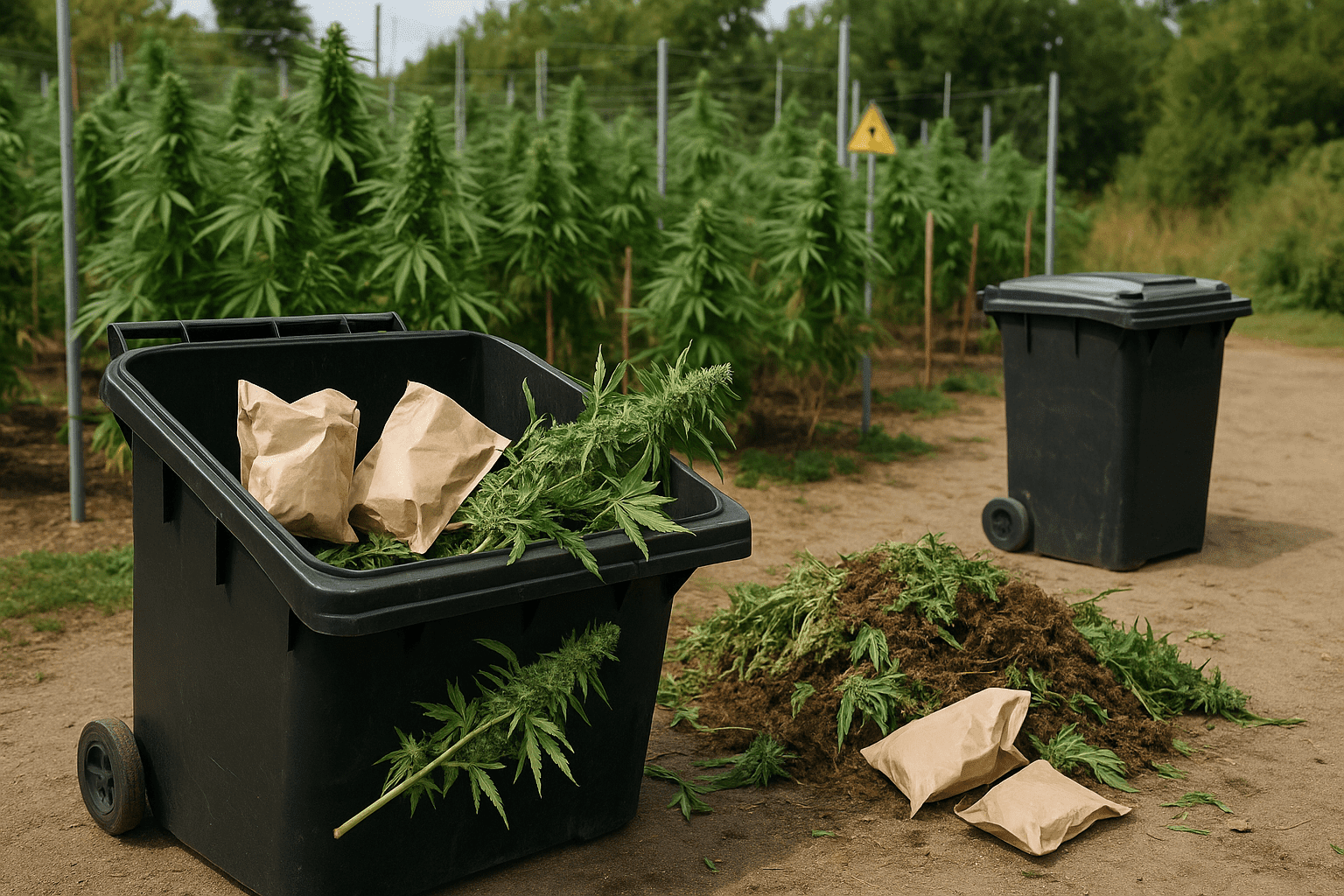
The cannabis plant does not become waste in the usual sense. It carries with it a risk of diversion to unregulated markets, given its value and controlled status, which makes its disposal a concern beyond ordinary agricultural refuse. Over recent years, state authorities have developed mandates that cannabis waste must be rendered unusable before leaving the controlled environment. Commonly this means grinding the plant matter and mixing it with other organic waste materials to prevent recovery and resale. In places like Oregon, detailed protocols have been established that require producers to follow strict destruction and documentation processes to ensure accountability.
These regulations are also motivated by environmental considerations. Cannabis cultivation often generates substantial amounts of organic waste in addition to non-organic packaging materials. If discarded improperly, these wastes can contribute to pollution or strain municipal disposal systems. California’s cannabis industry, with its longer regulatory history, underlines how legislation is evolving to encourage the sustainable handling of both plant byproducts and waste packaging. Producers must now balance public safety priorities with increasing environmental responsibility.
Producers facing the practical weight of regulations
When regulations tighten, producers find themselves navigating complex operational challenges. Instead of simply discarding leftover flower trimmings and failed product batches, they need to engage in processes that might include onsite destruction, specialized waste handling, and extensive recordkeeping to verify proper disposal. This has led many cultivators and processors to invest in equipment designed to shred or blend their cannabis waste with other materials so compliance is documented and verifiable.
For smaller producers, the regulatory burden can be particularly heavy. While large-scale operations might absorb the cost of such new processes more easily, smaller businesses sometimes struggle with added fees for licensed waste haulers or the capital costs associated with destruction equipment. There is a growing recognition in the industry of the need to design minimal-waste production methods. Precision trimming, reducing excess cultivation, and exploring legal repurposing options within local rules are all tactics producers are testing to reduce the volume of waste that needs managed.
The patchwork nature of enforcement and its impact
Enforcement approaches to cannabis waste disposal show wide variability depending on jurisdiction. Some regulators conduct surprise facility inspections, physically corroborating destruction practices. Others rely primarily on documentation, demanding detailed manifests, photographs, and destruction logs. These variations create different levels of pressure on producers, but the consequences of non-compliance range from fines to potential suspension of licenses, making careful compliance a top priority.
Responding to this evolving landscape, waste management companies with expertise in cannabis-specific regulations have appeared to serve the industry’s distinct needs. They offer services that include compliant transport, secure destruction methods, and eco-conscious disposal techniques designed to meet legal demands without excessive financial impact. Beyond companies, industry groups and educational organizations also assist producers with disseminating information about best practices amid shifting rules and testing new approaches to compliance challenges.
Sustainability beyond regulation
While much of the initial impetus behind cannabis waste disposal rules focused on preventing diversion and safeguarding public health, conversations around environmental sustainability are becoming more prominent. Producers and regulators alike are exploring alternatives to traditional disposal such as composting and energy recovery from organic waste. These methods may free facilities from some municipal waste burdens while better aligning with broader goals of reducing the environmental footprint of cannabis operations.
Beyond compliance, some producers view responsible waste management as part of a broader commitment to sustainable branding. Partnerships with local agricultural or waste processing entities allow cannabis byproducts to be converted into compost or feedstock, supporting circular economy models within the cannabis supply chain. This approach recognizes that environmental stewardship can directly influence consumer perception and the long-term viability of cannabis businesses in increasingly eco-aware markets.
Staying adaptive amid ongoing changes
The regulatory framework around cannabis waste is still very much in flux. New rules and interpretations emerge as governments respond to industry realities and environmental concerns. For producers, this means that staying informed and maintaining flexible operations is essential. Close attention to updates from local regulatory bodies, participation in industry forums, and collaboration with specialized waste service providers all help businesses keep pace with regulatory demands.
Understanding cannabis waste disposal regulations serves as a window onto the broader maturation of the cannabis industry. The balance between legal control, environmental impact, and business practicality frames a complex narrative. It highlights how producers manage risk while advancing sustainable practices and reflects the evolving relationship between cannabis commerce and established regulatory systems.
As regulations continue to develop, they may bring more standardized practices that ease operational pressures over time. For now, the evolving story of cannabis waste management offers insight into the challenges and adaptations shaping the future of this unique agricultural sector.
Sources and Helpful Links
- Oregon Health Authority provides current guidelines on cannabis handling and waste disposal in Oregon.
- California Department of Public Health outlines the state regulations for cannabis waste destruction and disposal.
- Cannabis Business Executive offers industry news including updates on regulatory changes affecting cannabis producers.