
When new regulations reshape a deeply local cultivation landscape, the effects do not settle quickly or neatly. Oregon’s adjustment to pesticide rules for cannabis offers a clear case in point. Growers, processors, and regulators are still feeling their way through the results, none of which are fully predictable but all of which show the complex relationship between plant care, public health, and compliance.
The tension between pest control and plant purity
Oregon has long been a hub for cannabis cultivation because of its favorable climate and progressive regulatory stance. The recent uptake of stricter pesticide restrictions, intended to reduce harmful chemical residues on consumable products, has introduced new pressures on growers. Pesticides that were once common are now off limits, prompting firsthand assessments of alternative approaches.
From an observational standpoint, this creates a natural experiment where growers find themselves recalibrating what works and what does not. Some report an increase in issues from pests that were once kept at bay, causing concern about both final product quality and crop yield. Others have seen unexpected benefits from adopting more integrated pest management techniques, such as improved soil health and microbial activity.
Adjusting to these rules means many growers focus more on ecosystem management rather than just chemical intervention. This can mean paying closer attention to environmental factors like humidity, airflow, and soil conditions—all of which affect pest populations. The changes suggest a growing awareness that cannabis cultivation is not merely about the plant but the entire system around it.
Practical trials in the changing regulatory landscape
On a practical level, cannabis cultivators in Oregon are navigating patchwork experiences. While the restrictions aim to keep consumer products safer, individual operators face logistical hurdles in sourcing compliant pest control solutions and retraining staff accustomed to former routines. In several interviews across regional growing communities, the message is consistent—there is a steep learning curve.
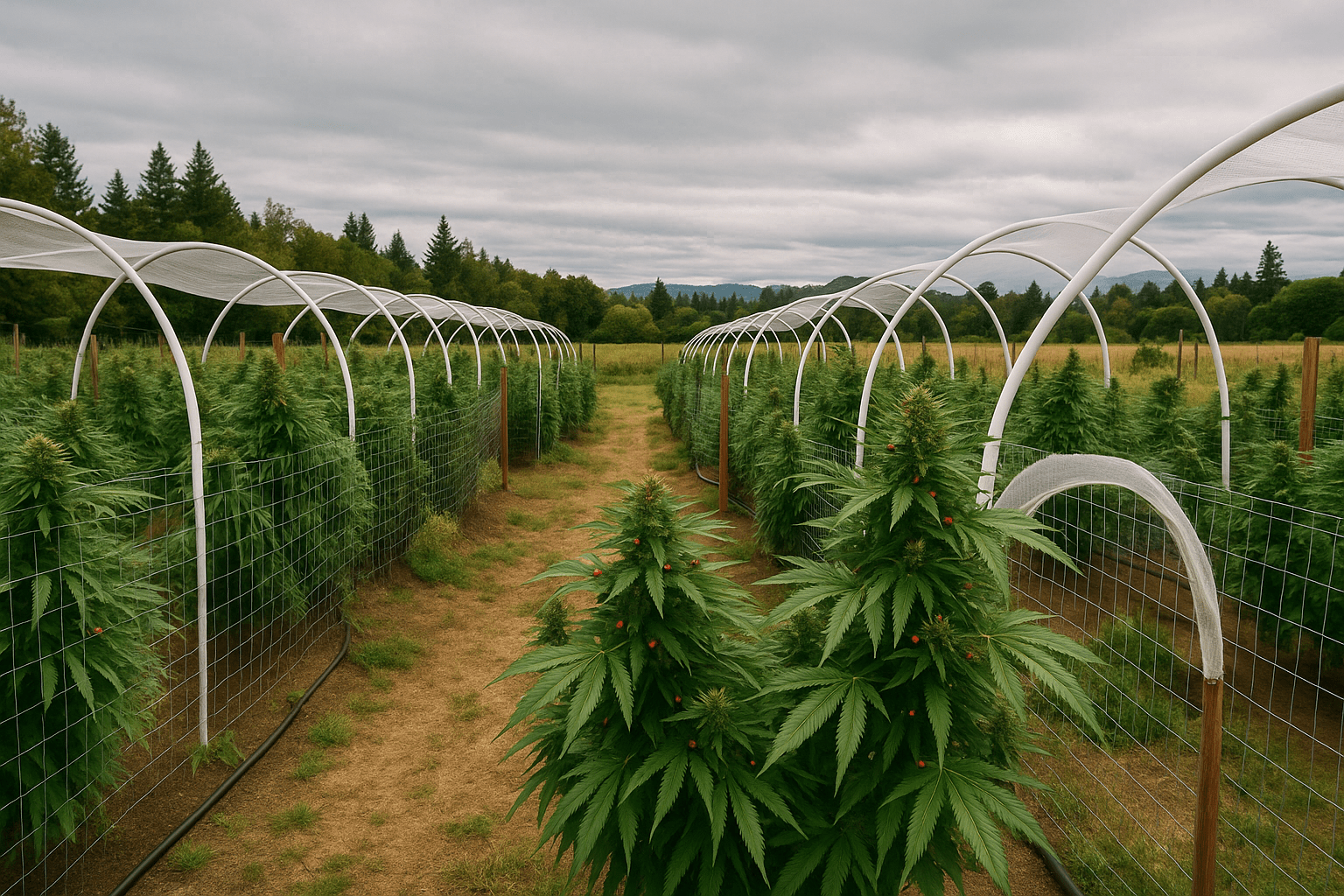
Notably, Oregon’s Agricultural Department offers a list of approved pesticides, but many growers describe these options as narrower compared to previous years. This scarcity has motivated some to experiment with organic or physical deterrents, such as beneficial insects or mechanical barriers. While these methods can work, they often require more labor and a finely tuned understanding of the crop’s environment.
A grower in Southern Oregon explained how a spider mite outbreak challenged their initial assumptions. The limited pesticide options forced reliance on natural predators and careful environmental controls like humidity and airflow adjustments. While labor-intensive, these steps eventually restored balance, illustrating the complex tradeoffs imposed by the restrictions.
Some cultivators have also explored biopesticides that leverage organic compounds or microbes. These options often fit the new regulatory framework better but require deeper knowledge to deploy effectively. The shift toward such alternatives marks a larger industry trend where plant health practices expand beyond chemical suppression to embrace biological dynamics.
Ripple effects beyond the grow room
The pesticide rule changes extend beyond immediate cultivation. Processors handling the harvested flower report increased scrutiny during testing for pesticide residues. This ripples upstream, affecting harvest schedules and storage practices. Batches that fail residue testing may be rejected or require remediation, impacting supply chains and market pricing.
These dynamics pressure the whole system, encouraging growers to take preventative pest measures early and more carefully throughout the plant’s lifecycle. Some producers find that investing time into slower, ecosystem-based approaches pays off by reducing compliance risks down the line.
There is also an environmental angle that is becoming more visible in growers’ conversations. Some see the pesticide restrictions as a chance to reduce chemical runoff and preserve soil and water quality. Balancing crop protection with stewardship adds another layer to the complex management puzzle growers wrestle with.
The regulatory dialogue and future adjustments
Oregon regulators express a clear intent to continuously review and refine pesticide standards, drawing from real-world feedback and emerging science. Industry voices are actively part of this evolving dialogue, aiming for a workable balance between product safety and the practical realities faced by those tending crops.
Oregon’s experience is instructive for other states shaping their cannabis pesticide rules. Early adoption means the state faces more frequent adjustment cycles as science and industry techniques evolve. The ongoing exchange between regulators and growers points to the importance of flexibility, transparency, and knowledge sharing in building sustainable policies.
The state’s current rules rest on principles outlined by the Oregon Department of Agriculture’s pesticide guidelines, emphasizing residue reduction while maintaining viable pest control options. Meanwhile, industry discussions on platforms like Marijuana Venture reveal the nuances of adapting day-to-day operations under new rules.
Though emerging biopesticides and better testing methods hold promise, for now, growers balance an evolving array of choices and restrictions. These changes are part of cannabis cultivation’s broader maturity as a regulated agricultural sector, where health, environment, and economics intersect.
For anyone following how pesticide testing affects market acceptance, resources like the Oregon Department of Agriculture’s Pesticide Program offer useful updates on approved chemicals and testing methods.
Ultimately, Oregon’s path with pesticide restrictions presents a layered story about care, compromise, and ongoing adjustments in cannabis growing culture. Growers are learning anew how to protect their crops and customers while responding to an ever-shifting regulatory backdrop.
Sources and Helpful Links
- Oregon Department of Agriculture Pesticide Programs – Official guidance and regulations on cannabis pesticide use in Oregon.
- Marijuana Venture on Oregon pesticide rules – Industry perspectives on adapting to new pesticide restrictions.
- Project CBD on cannabis pesticide safety – Insightful analysis of pesticide impacts on cannabis safety and testing.