
New York’s cannabis market is no longer just a headline for legalization or regulation debates. The state’s craft cannabis scene is quietly emerging as a distinct space shaped by growers and consumers who value quality, local character, and a connection to the plant beyond mass production. This movement reflects broader patterns seen in other states but carries a particular flavor shaped by New York’s regulatory landscape, urban-rural mix, and cultural currents.
Craft Cannabis Finds Roots Among Local Growers
In parts of upstate New York, where older generations hold deep agricultural knowledge, a wave of smaller, artisanal growers is staking out territories that contrast with large commercial operations. These growers often emphasize sustainable cultivation methods, adopting organic growing practices, hand-trimming, and seed-to-sale transparency to ensure their crop reflects both care and local terroir. A number of them started with home grows or greenhouse setups before formal licenses became available under the state’s evolving cannabis program.
This scale allows for heightened attention to detail and experimentation with rare genetics, appealing to connoisseurs who seek differentiated effects and flavors. In conversations with some of these growers, a recurring theme is the desire to preserve biodiversity. They consciously avoid strictly hybridized or high-yield strains in favor of landrace varieties or heirloom crosses that tell a story connected to the plant’s natural history as well as New York’s climate.
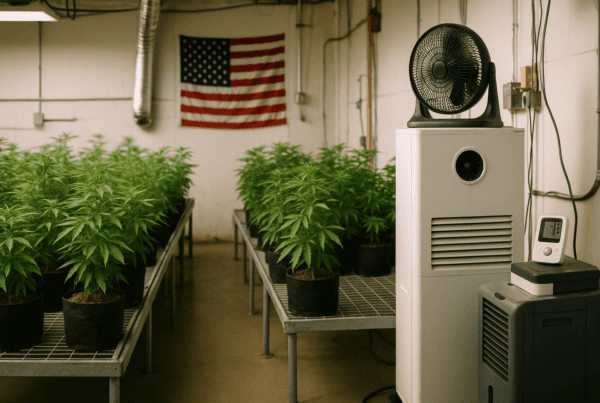
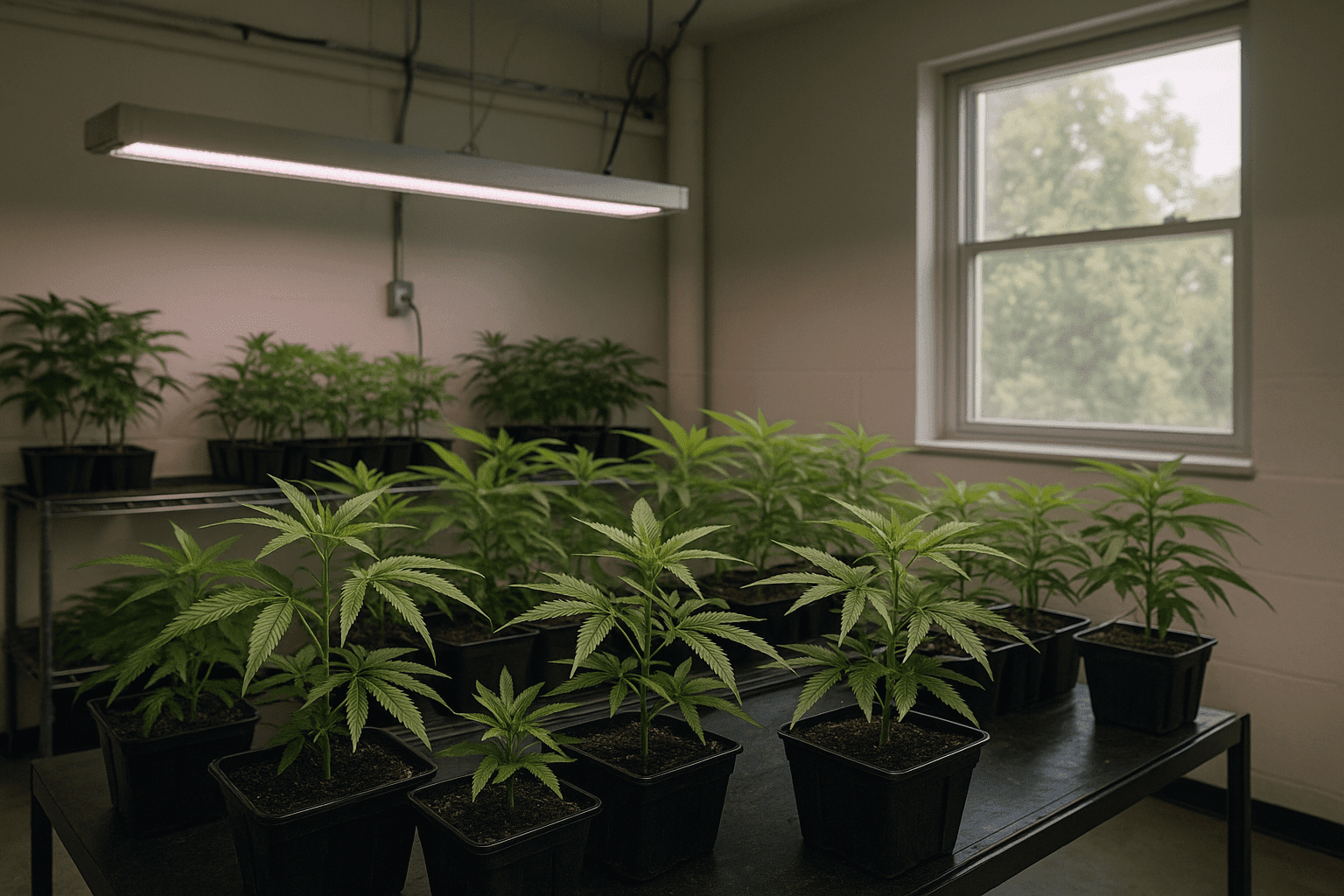
Urban centers like Brooklyn and the Hudson Valley are also part of this trend, with boutique indoor grows leveraging technology to optimize plant health while maintaining small footprint operations. LED lighting, precision humidity control, and manual care coexist with a culture that prizes craft and authenticity. With dense local markets, these growers often sell directly through dispensaries focused on New York-based producers or participate in community-supported agriculture models that involve customers in the harvest cycle.
Consumer Tastes Shape What’s Grown and Sold
Consumer demand in New York’s craft cannabis segment is nuanced. Many users report a desire for strains and products that feel distinct from generic commercial offerings-whether that means more pronounced terpene profiles, organically grown flowers, or products aligned with wellness philosophies. This aligns with growing national patterns where cannabis consumers increasingly research origins and production methods rather than just focusing on THC content.
There is also a notable preference toward flower over concentrates or edibles among craft cannabis customers. This could be tied to the ritualistic and sensory aspects many users appreciate when consuming high-quality cannabis flower. The ability to smell, touch, and visually inspect the product creates an experience that resonates with people who value craftmanship and transparency.
At the same time, consumers in New York seem interested in products that reflect local identity and sustainability values. This intersects with a broader cultural push toward supporting small businesses and regional food and plant economies. For cannabis, that translates into serious curiosity about cultivation practices, breeder stories, and the growers themselves-a dynamic that grows out of markets like Portland and Denver, but takes on a distinctly New York character.
The Regulatory Framework’s Role in Shaping the Market
New York’s regulatory approach is both a challenge and a defining element for craft cannabis. The state’s licensing rules and equity programs intend to support small operators and communities historically harmed by prohibition. Still, the complexity and cost of compliance can push some small businesses toward partnerships or modest scaling rather than solo micro grows.
Budtenders and cannabis shop owners report that the craft cannabis category benefits from clear labeling and origin transparency requirements. Consumers increasingly ask where and how their cannabis was grown, demanding standards that surpass simple potency numbers. This data-rich approach to consumer education helps craft growers communicate their values and differentiate their products in a crowded market.
Meanwhile, parallels with New York’s farm-to-table movement emerge. Local cannabis events showcase growers, breeders, and consumers meeting to exchange ideas and samples. They focus on story-driven marketing that connects the end user to the plant origin and the hands that nurtured it. Despite regulatory hurdles, these spaces help foster community trust and an appreciation for cannabis as a complex, living product.
Looking for Clues in the Market’s Future
While the New York craft cannabis market remains in its early phase, the interplay between growers, consumers, and regulation suggests a slow but meaningful evolution. Growers working at a smaller scale are carving out niches that emphasize quality, sustainability, and origin stories. Meanwhile, consumers appear to be moving beyond basic potency metrics and seeking products that reflect personal values, local culture, and authentic cultivation.
What remains uncertain is how broader market forces will affect these emerging dynamics. Pressure from larger commercial entities, potential changes in regulatory frameworks, and the economic realities of operating a craft grow model in New York will influence whether this segment flourishes or contracts. Observers from inside the state’s industry note a cautious optimism, where patient growth and collaboration may yield a uniquely New York craft cannabis identity that feels both local and connected to wider consumer trends.
For anyone paying attention to the nuances rather than just headline numbers, New York’s craft cannabis market offers a fascinating snapshot of a state balancing tradition and innovation on the frontier of legal cannabis.
More on New York’s cannabis program and market developments can be found through the New York State Office of Cannabis Management and industry reports by sources like Leafly’s New York Cannabis overview and insights from Ganjapreneur’s industry news. These resources provide ongoing updates on licensing, consumer trends, and market shifts necessary for anyone tracking this evolving space.
Exploring craft cannabis in New York reveals an industry worth watching. Behind the regulations and retail storefronts is a layer of growers and consumers crafting something both traditional and new.
Sources and Helpful Links
- New York State Office of Cannabis Management for official regulation and licensing info
- Leafly’s New York Cannabis overview offers an ongoing look at laws and market insights
- Ganjapreneur’s report on New York’s craft cannabis market explores industry trends and player perspectives