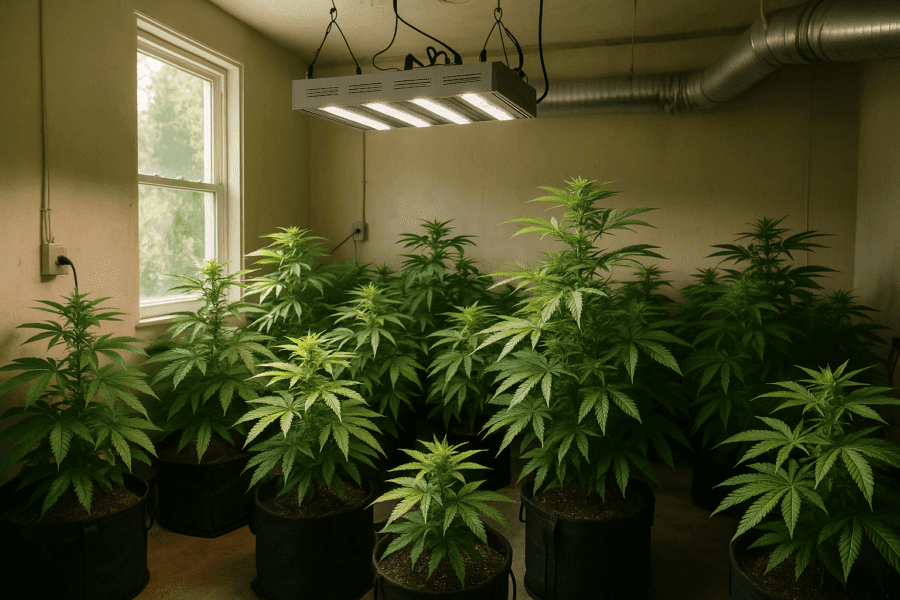

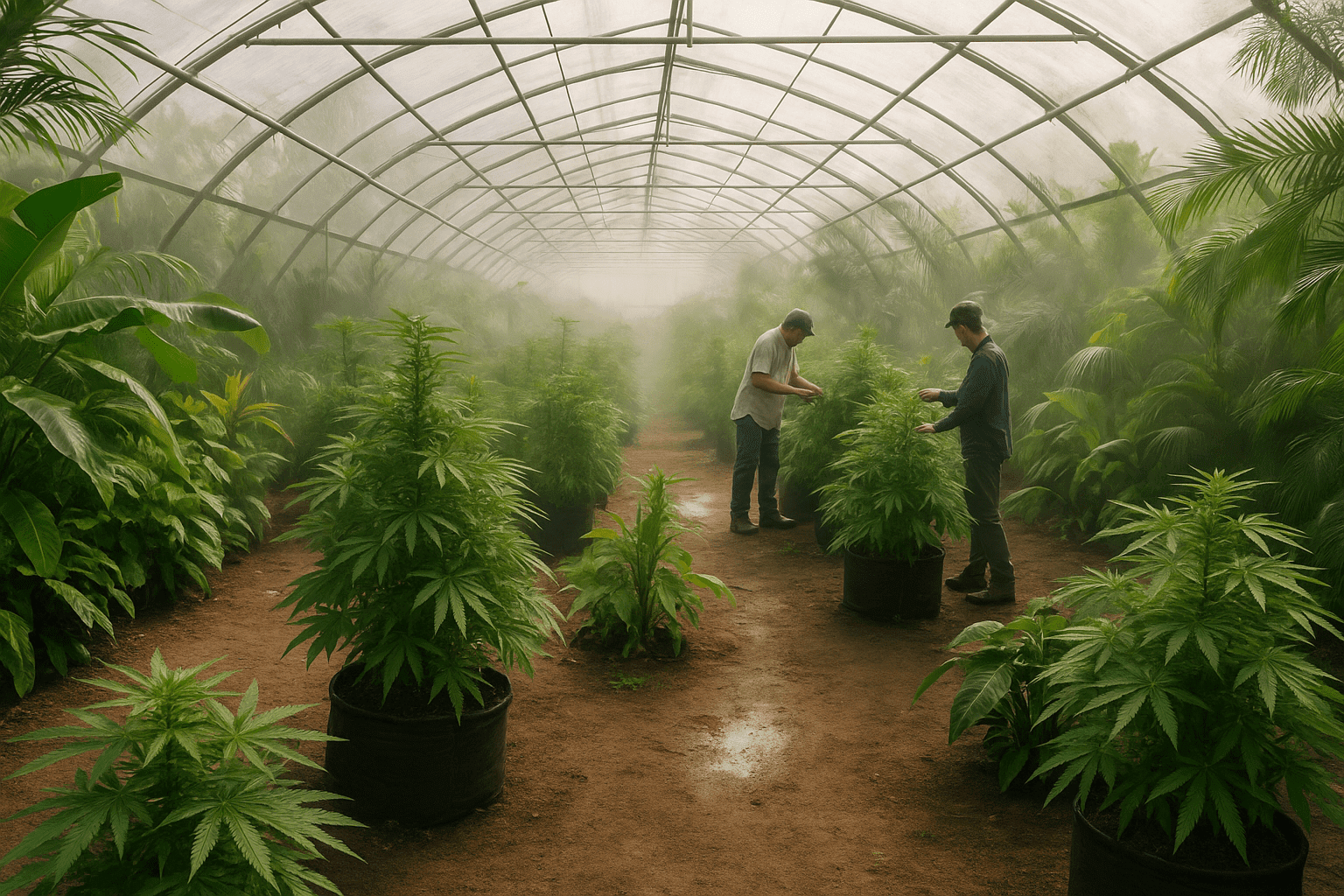
Humidity has long played a critical role in cannabis cultivation across Florida, a state known for its tropical climate. But recently, growers have been talking about noticeable shifts in humidity patterns, and how these fluctuations are challenging traditional practices. The humid subtropical atmosphere, combined with Florida’s seasonal storms, sets a unique stage for cannabis cultivation, but even subtle changes seem to influence plant behavior and health in ways that require more constant monitoring and adjustment.
When Humidity Swings, Plants Signal Change
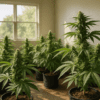
Cannabis plants are remarkably sensitive to moisture conditions in the air. Traditional guidance has encouraged managing relative humidity in grow rooms or greenhouses to keep it within a range that minimizes mold risk while supporting robust growth. Yet, some Florida growers have reported that the usual assumptions about ideal humidity ranges are becoming less reliable during certain times of year. In particular, sudden drops or spikes in humidity feel less predictable now, leading to more frequent episodes of bud rot or powdery mildew.
One of the growers near the Gulf Coast observed, “In prior years, you could count on a more stable humidity baseline through the late summer months, but lately those levels bounce quickly, and it seems that fungal diseases get a foothold during the dips or sudden rises.” The idea that a stable environment was reliably achievable is being re-examined.
Adjusting Cultivation Techniques on the Fly
This evolving humidity dynamic has meant many cultivators are becoming more reactive and nimble in their cultivation routines. For some, that means increasing attention to ventilation systems to rapidly shift air conditions when needed. It also involves adjusting watering schedules and nutrient applications to reduce plant stress, which can make cannabis more vulnerable when humidity pressures mount.
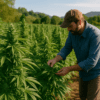
In outdoor grows, which continue to be an important part of Florida’s cannabis landscape especially for smaller operators, shifting humidity patterns can have even more complex effects. The interaction between moisture in the air and the dense canopy structure creates microclimates within the crop that are tough to anticipate. Growers say that relying on routine visual checks is no longer sufficient-they are incorporating moisture sensors and data logging to track trends more precisely.
Guarding Against Mold Without Sacrificing Plant Health
The balance between keeping humidity low to avoid mold and ensuring enough moisture for active photosynthesis is delicate. In Florida’s humid environs, this balance is shifting slightly but significantly. Many growers are wary of over-consuming energy by running dehumidifiers excessively, while others are cautious about opening vents and risking unfiltered humid air entering grow rooms.
One approach gaining traction is greater diversity in strain selection, favoring genetics that seem more resilient to humidity fluctuations common in Florida’s climate. This reflects an ongoing recognition that environmental conditions are integral to strain performance, and not all cannabis varieties respond the same way under shifting moisture stress.
Larger Industry and Market Effects
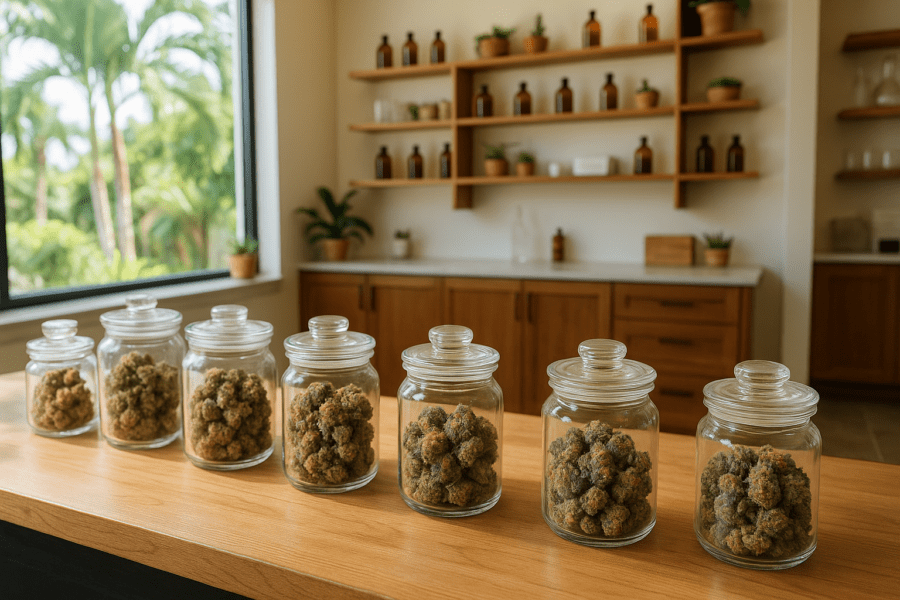
These humidity-related challenges are influencing not just cultivation but the broader industry in Florida. Harvest cycles can experience delays when growers must slow cutting back or take extra steps to dry buds safely. Post-harvest care is also more labor-intensive, as the product requires closer monitoring to prevent mold during curing and packaging phases.
Some cultivators are reporting that these shifts have altered cost structures subtly but noticeably, squeezing margins for those who cannot quickly adapt. The demand for reliable environmental control products and precise monitoring technology has increased, sparking innovation around automated climate management tools tailored for humid subtropical zones like Florida.
As regulatory frameworks evolve, there is also talk around whether adjusted cultivation practices and additional investments in humidity control should be recognized or incentivized formally to ensure consistent quality and reduce losses.
Florida’s cannabis growers, already seasoned from dealing with the state’s unique light cycles and heat, are now learning to read their crops differently through the lens of humidity changes. The usual seasonal rhythms seem to require more flexible interpretations. For an industry still in many ways settling into its maturity, such environmental shifts are reminders that growing cannabis remains an ongoing dialogue between plants, people, and place.
All this points to a subtle but important evolution in cannabis cultivation here. As one grower put it, “You learn to listen harder to the leaves and air around them. The conditions aren’t constants anymore. They demand more respect and quicker action.” This attentiveness to the nuances of Florida’s changing humidity is shaping how cannabis grows, and what quality looks like at the end of the line.
For readers interested in ongoing updates about climate-related trends in cannabis cultivation and practical insights from the field, resources from Southern Garden offer a grounded perspective on Florida-specific cultivation. The California Department of Food and Agriculture’s resources might seem geographically distant but include useful guides on managing environmental controls indoors that are relevant across humid zones. For broader scientific insights into how humidity affects cannabis physiology, published research at the National Institutes of Health is a solid reference.
These shifts in Florida paint a subtle but illustrative picture of how local climate nuances matter deeply for cannabis, beyond genetics and nutrients, shaping the day-to-day experience of growers and the final quality reaching consumers.
Sources and Helpful Links
- Southern Garden – Florida-focused cannabis cultivation guidance and regional experience.
- California Department of Food and Agriculture, Cannabis Program – Environmental control strategies for cannabis cultivation.
- National Institutes of Health PMC Article – Research on cannabis plant responses to humidity and environmental stresses.