
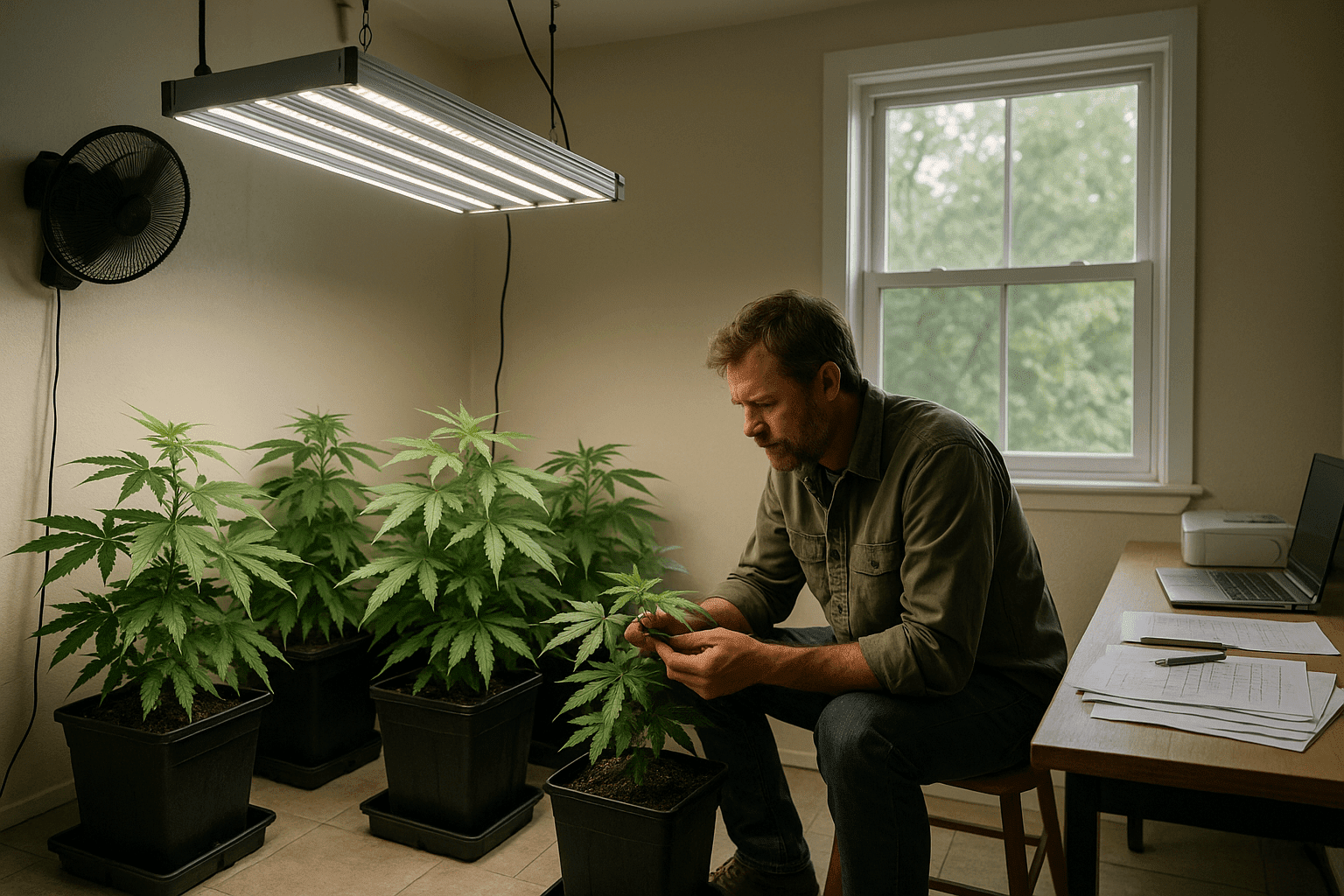
Stepping into a small-scale cannabis cultivation space today feels different than just a few years ago. The backdrop of shifting state regulatory standards has introduced new layers of practical complexity that many growers did not anticipate. What was once a relatively straightforward hobby or side hustle is now tangled in a web of rules, paperwork, and compliance challenges that subtly redefine what it means to cultivate cannabis on a modest scale.
From Hobbyist to Regulated Operator
For many small growers, the increasing rigor of state regulations has transformed their role. No longer just tending plants in a private setting, they face a set of expectations that treat them more like commercial operators. State rules are now emphasizing elements such as security measures, detailed record-keeping, and environmental standards—even when the scale remains limited. For example, California’s regulations under the Department of Cannabis Control now require detailed tracking through the state’s METRC system, which can feel overwhelming for small operations but aims to close gaps in supply chain transparency.
This rise in oversight reflects states’ attempts to normalize cannabis cultivation within broader agricultural and commercial frameworks. However, it can create an unusual tension: small-scale growers often remain passionate and expert in plant care yet must navigate bureaucratic demands designed with much larger businesses in mind. The cost and administrative load for compliance can tilt the balance, making small-scale growing increasingly less feasible as a hobby or micro-business without proper backing.
Licensing Complexities and Barriers
Licenses themselves have become a central hurdle. The licensing process frequently demands detailed operational plans, proof of financial stability, and compliance with zoning laws that vary widely depending on jurisdiction. Many growers report that the paperwork alone requires legal or consulting help to interpret. In states like Illinois and Oregon, sprawling guidelines set minimum facility security and environmental safeguards, testing lab certifications, and packaging rules that require investment beyond simple cultivation.
It is also common to see licensing fees and renewal costs rise alongside these regulations. For growers operating on tight margins, these expenses may represent a significant portion of their overhead. Some states have introduced microbusiness or craft grower licensing categories intended to address these concerns, but their availability and eligibility differ. Navigating these options often demands a dedicated understanding of regulatory nuances, again potentially outside the expertise of typical home or boutique cultivators.
Environmental and Energy Impacts Gain Attention
As part of the regulatory push, environmental impact has gained prominence. Both energy consumption and water usage come under new scrutiny, especially given the sizable power draw of indoor grow operations. States like Colorado and Nevada have begun factoring sustainability into their cannabis regulations by encouraging energy-efficient lighting and water use restrictions. These changes echo broader environmental goals but bring fresh challenges to small growers who may lack the capital for costly upgrades.
Natural light cultivation or mixed light setups sometimes get encouragement due to lower energy profiles, yet these options may be limited by local zoning or building regulations. The resulting push to find a middle ground between compliance and practical growing choices leads to a patchwork of solutions that vary significantly from state to state. Growers are gradually learning to juggle these factors—and reassess how sustainable their operations can remain over time.
The Hidden Costs and Growing Pains
Beyond fees and permit complexities, small-scale growers increasingly face hidden costs that emerge through compliance obligations. Consulting fees, installation of commercial HVAC systems for odor control, backup generators to ensure power stability, and the implementation of extensive security cameras all add layers of financial and operational strain. These investments are not just one-time as many states demand ongoing reporting, audits, and routine upgrades to maintain licensing status.
The weight of these requirements can slow the pace of innovation and experimentation that once marked smaller cannabis growing circles. Many growers are coming to realize that the financial stability and regulatory understanding necessary to sustain their cultivation projects is no small feat. Some find themselves stepping away or seeking partnerships with larger operators to sustain their livelihoods in this cumbersome environment.
Community, Advocacy, and the Road Ahead
Yet amidst this evolving reality, small-scale growers are not simply passive victims of a shifting landscape. Advocacy groups and industry associations have emerged to support these growers, helping to inform them on compliance updates and advocate for policies more attuned to the realities of smaller operations. The National Cannabis Industry Association and local chapters often serve as valuable resources. These efforts highlight a tension between public safety, commercial interests, and the survival of smaller growers’ contributions to cannabis culture and diversity.
As states adjust policies, the voices of small cultivators continue to push for flexible regulations that acknowledge scaled differences. Some lawmakers are exploring tiered approaches to licensing and compliance that distinguish between larger commercial players and home or craft cultivators. This evolving dialogue reflects a growing awareness that diversity in cultivation serves the market, the plant’s genetic variety, and community traditions in unique ways.
Change continues steadily, and small-scale growers find themselves at the intersection of tradition and transformation. They balance passion with paperwork, craft with compliance, and individual innovation with regulatory frameworks that shift beneath their feet. Observing how this dynamic unfolds offers insight into the broader trends shaping cannabis legalization and industry growth nationwide.
For those embedded in cannabis culture, watching and adapting to these regulatory realities has become as much a part of growing as lighting and watering the plants themselves. The stories unfolding in these small cultivation rooms and greenhouses reveal much about the challenges and resilience inherent to this evolving industry.
Anyone curious about the practical effects of regulation on small-scale growers might do well to watch how different states implement licensing programs, environmental requirements, and enforcement. These developments signal not only the ambitions of the cannabis sector but also the persistent struggle to fit vibrant, diverse cultivation communities into modern regulatory molds.
Ultimately, the path forward for small-scale cannabis growing will involve negotiation, adaptation, and sometimes concession. It reminds us that regulatory frameworks, while designed to protect and standardize, inevitably influence the culture and practice they govern. The hope is that future policies will strike a balance allowing small growers to thrive without sacrificing accountability or safety.
Meanwhile, growers keep tending their plants, watching carefully how their work fits within the changing legal landscape. They strive to maintain the delicate craft of cannabis cultivation while navigating rules that are continually coming into sharper focus.
For more detailed state-by-state updates and practical insights, resources like the California Department of Cannabis Control and Colorado Department of Public Health and Environment provide ongoing information. Industry-focused outlets such as Leafly News also track how regulatory environments evolve for growers across the country.
These shifts are not just bureaucratic footnotes but central parts of a story about who can grow cannabis, under what conditions, and how the future of cultivation unfolds.
Sources and Helpful Links
- California Department of Cannabis Control — Official regulatory body managing cannabis rules and licensing in California
- Colorado Department of Public Health and Environment — State agency offering comprehensive cannabis compliance information and guidance
- Leafly News — Cannabis news outlet covering policy, industry, and cultivation developments