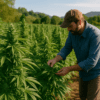

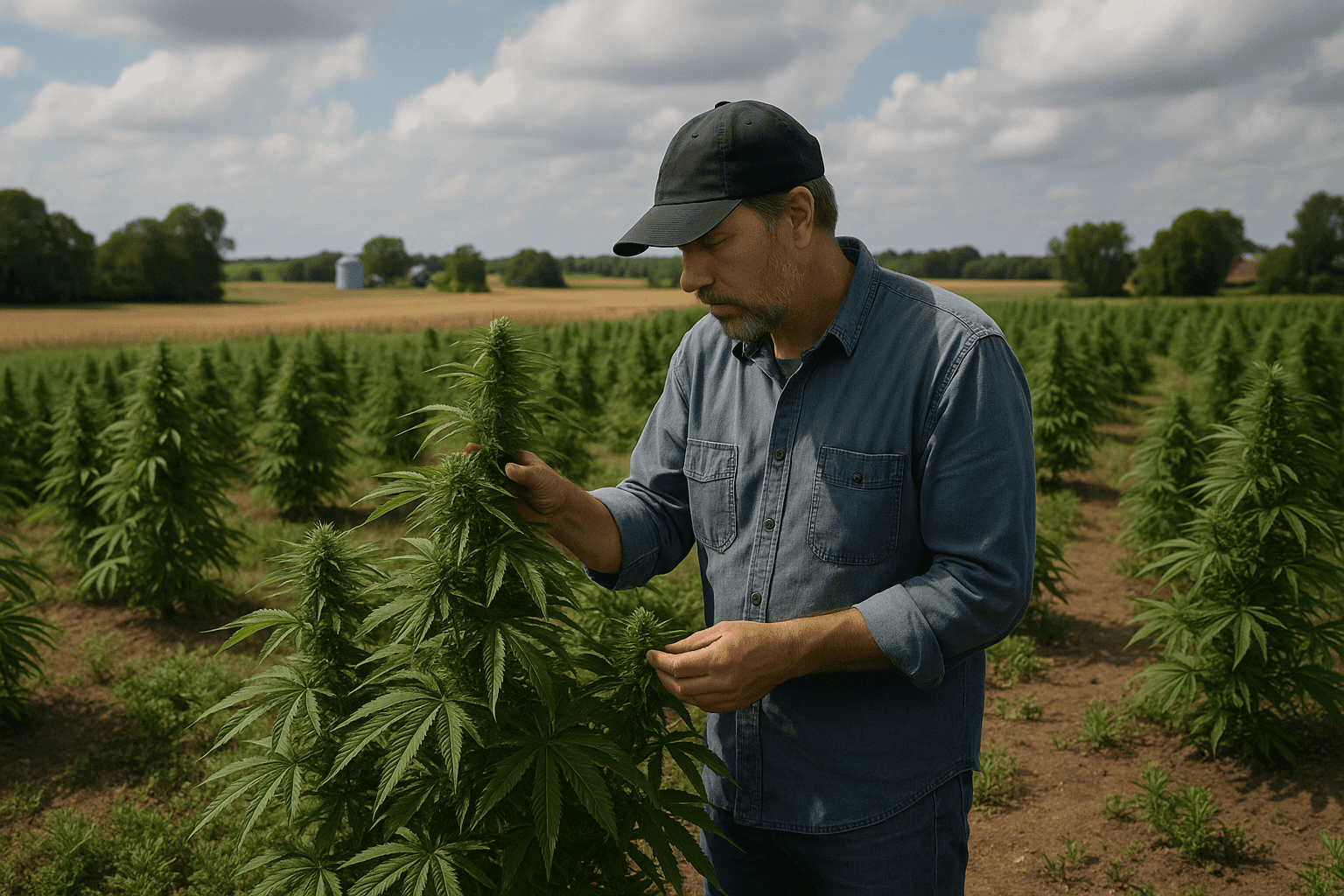
Midwestern growers often tell stories that reflect more than just the cultivation of cannabis; they describe an ongoing dialogue with a hard-to-predict environment. Unlike the more consistent weather patterns on coasts or the arid Southwest, Midwestern states stretch across a landscape known for sudden shifts in temperature, storms that appear with little warning, and seasonal changes that feel abrupt rather than gradual.
A Landscape That Demands Flexibility
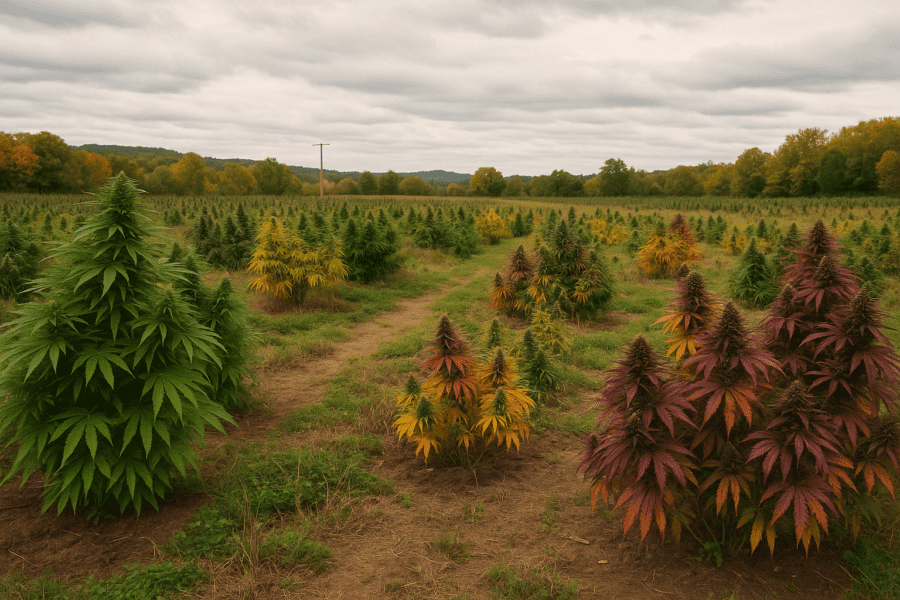
The Midwestern climate shapes not only the outdoor growing season but the choices cultivators make when selecting strains. Some growers describe late frosts that can surprise plants in May or October, while others contend with unexpected rainstorms during flowering that challenge their crops’ resilience.
Reports from this region often highlight strains with a track record of toughness, particularly those that can finish flowering before nights turn too cold. Flowering schedules become critical. For many, Indica-dominant varieties that mature earlier are favored because they can avoid the risks of frost damage that sometimes strike toward the end of the season.
Yet it is not solely about earliness. Some cultivators share how hybrid strains with balanced genetics help plants adapt to the variability within a single season. In practice, this means a plant that can endure a period of humidity followed by a dry spell, or that can bounce back after a wind event and still deliver quality flowers.
When Genetics Meet Weather Extremes
The variability in Midwestern climates has driven growers to experiment with genetics that can tolerate a wider range of conditions. When a dry heatwave follows a week of heavy rain, plants may struggle with humidity-related issues like mold or mildew. Growers often report that strains with tighter, denser buds become more susceptible in these shifts unless paired with vigilant cultivation practices.
Conversely, strains known for their open bud structures are sometimes called upon to combat mold in damp weather but might trade off yield density or cannabinoid content. This balancing act between genetic strengths and environmental pressures is a consistent theme among Midwestern cannabis cultivators.
Some bring up cannabis varieties that originated in similar temperate zones or mountainous regions as a model. For instance, strains with heritage linked to northern climates or harsh growing environments tend to crop out better here. However, the complex weather patterns mean that no single strain fits every situation.
Lessons From The Field: Observations on Cultivation Practices
Beyond genetics, the growing techniques adopted by Midwestern cultivators reflect the nuances of their climate. Several emphasize the importance of flexible canopy management. Adjusting plant density and trimming techniques helps facilitate air flow during humid periods, reducing the risk of fungus or other issues.
Others mention the strategic timing of planting and harvesting to align with the most stable parts of the growing season. This sometimes requires a leap of faith and local knowledge, as forecasts can be unreliable or change rapidly. A few growers have had to adjust their entire seasonal calendars after repeated years of unusual weather.
Anecdotal reports also point to the value of soil health and the use of organic amendments able to boost resilience. Strong soil biology can enhance water retention and nutrients during dry spells but also ensure drainage during wet periods, making it a cornerstone for adapting to Midwestern fluctuations.
Reflecting On Regional Cannabis Growing Realities
The Midwestern cannabis growing community reveals a broader truth about cultivation in variable climates: flexibility and observation remain essential. These growers do not just rely on any strain or any method; they watch their plants closely, learn from each season’s challenges, and adjust accordingly.
While advances in genetic breeding promise cannabis varieties tailored to diverse conditions, the real-world experience shows that success often comes down to understanding how specific strains behave when exposed to heat, cold, rain, and wind in their own backyard.
The evolving story from Midwestern growers adds texture to our understanding of cannabis cultivation. It highlights how climate is a conversation partner, not just a challenge, pushing cultivators to innovate and adapt in ways deeply grounded in place and practice.
Local forums and shared anecdotal evidence like those found on community-driven platforms continue to be important for capturing these nuances. They offer prospective growers tried and tested insights on what strains might stand up to the Midwestern climate and which techniques seem most promising.
By grounding their approach in observation and modest experimentation rather than hype, Midwestern growers contribute valuable knowledge to the wider cultivation conversation. This real-world view complements research findings by anchoring them in lived experience and ongoing dialogue with the environment.
For anyone curious about cannabis cultivation beyond the stereotyped sunny grow regions, the Midwest provides a clear picture of how planting is as much about adapting as it is about selecting. It’s a story shaped by unpredictability, resilience, and a willingness to learn from each season’s unique unfolding.
For more detailed insights and shared experiences, Delta 9 cannabis communities and local agricultural extensions offer valuable resources and constant updates informed by the region’s growers.
Understanding these dynamics helps frame cannabis cultivation as a practice deeply connected to place and climate, not simply genetics or technology. It is a reminder that every cannabis journey includes weather, unpredictability, and adaptation at its core.
Observing the Midwestern experience can help broader audiences appreciate the subtleties behind successful outdoor cannabis growing and underscore the importance of tailoring approaches to local realities.
At the heart of it all is a patient conversation between plant and grower, a negotiation shaped by the environment that is as variable as it is demanding.
Midwestern growers continue to listen and learn, their reports telling a story of perseverance rising from the soil beneath seasonal skies.
As cultivation practices evolve, these grounded observations remain an essential piece of the larger puzzle of cannabis growing across America.
It is worth paying attention to how these experiences influence new breeding programs and cultivation advice, as the blend of practical knowledge and scientific breeding takes shape in response to real, often unpredictable conditions.
After all, in the patchwork of America’s cannabis landscape, the Midwest stands as a reminder that successful growing depends as much on respect for climate as on genetics alone.
This ongoing dialogue between growers and their environment will continue to shape cannabis cultivation for years to come.
More than a crop, it is a story about understanding place, testing limits, and nurturing growth despite the ups and downs of a variable climate.
It is in these details that we find the true character of Midwestern cannabis growing, a practice both challenging and rewarding, shaped by the weather’s ever-changing moods.
To see how this story unfolds, looking into local cultivation forums, university extension services, and reputable cannabis industry sites offers the clearest window into the current state of things and the evolution ahead.
For example, the Iowa State Horticulture Extension provides research and practical advice tailored to regional climate considerations. Meanwhile, industry sites like Leafly’s cultivation news discuss trends and experiments relevant to various locales across the Midwest and beyond.
Together, these resources and on-the-ground experience offer a rounded perspective on the realities facing Midwestern cannabis growers navigating a variable climate.
It is a story still being written season by season, plant by plant.
Sources and Helpful Links
- Iowa State Horticulture Extension resource page with regional cannabis cultivation advice
- Leafly’s growing news section covering a range of cultivation topics and reports
- USDA National Institute of Food and Agriculture for research and agricultural extension resources
- The Story of Weed blog with practical grower insights and climate-related cannabis news
- Mr. Nice indoor environment effects overview highlighting environmental impacts on cannabis quality