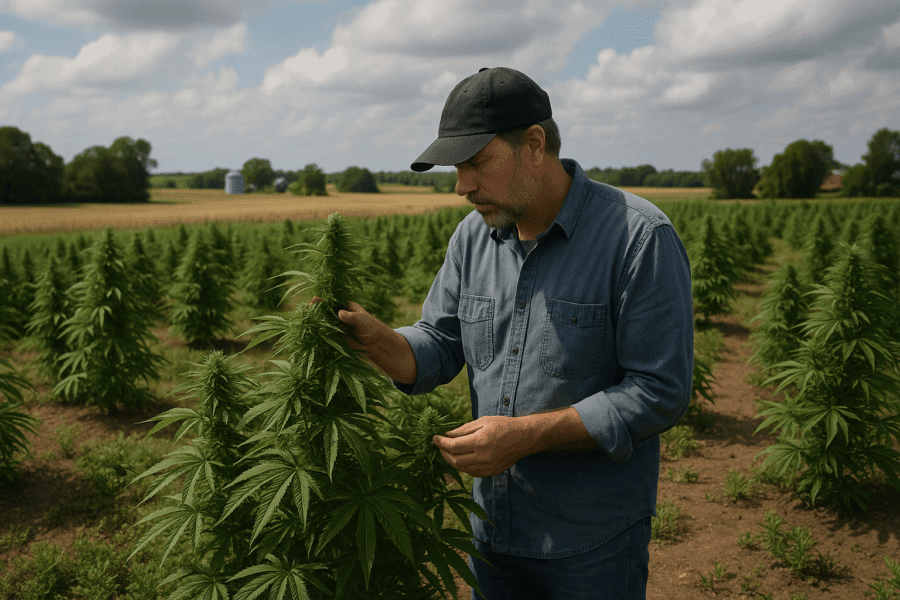

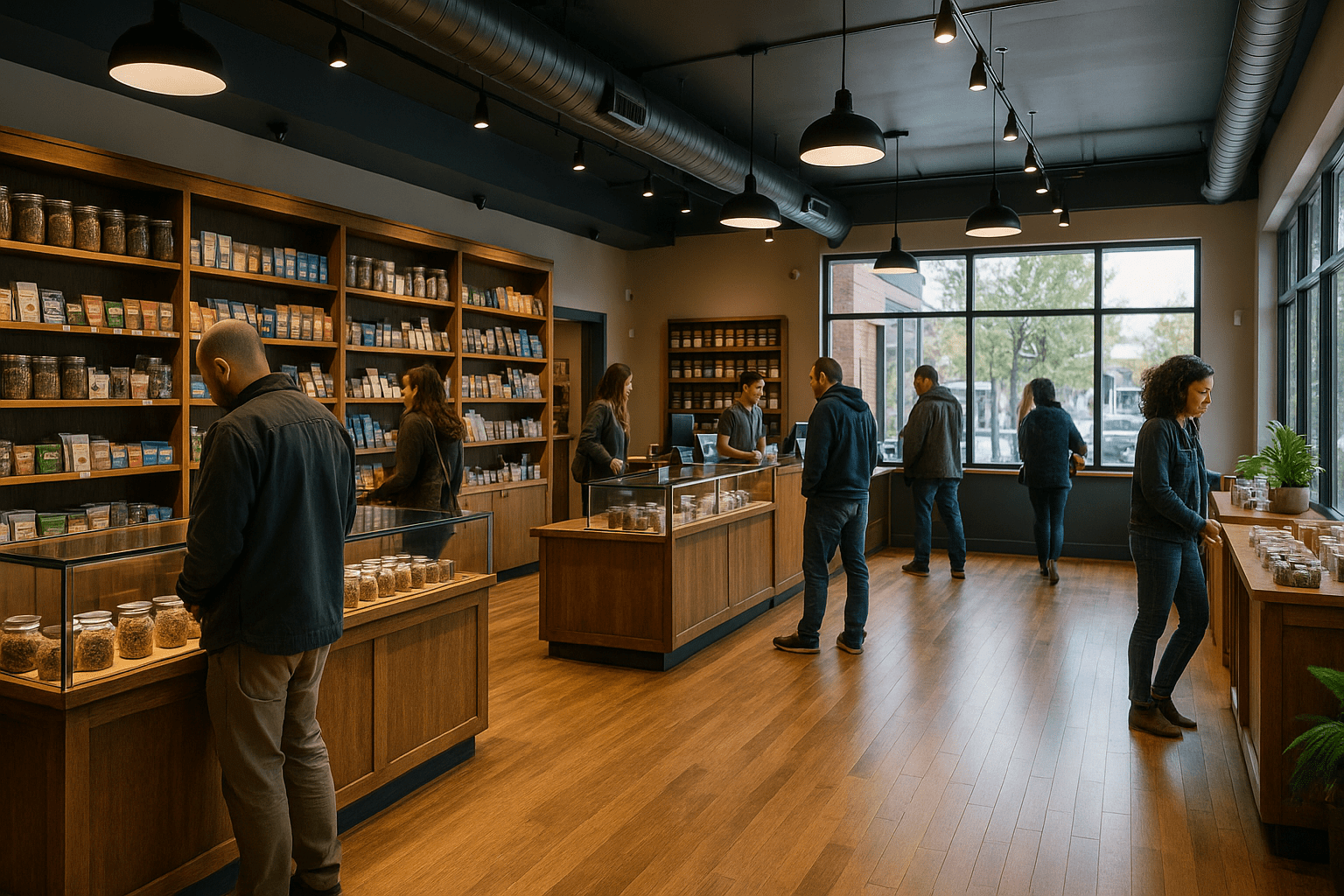
Colorado’s cannabis industry has long held a reputation as a pioneering space in the United States, being one of the first states to legalize adult-use cannabis. Over the years, the landscape has matured, but what’s now becoming evident is a new kind of pressure on the market. An uptick in retail outlets and brand entrants is reshaping not just what’s available on shelves but also how businesses think about survival and growth. This isn’t just about more stores selling flower and edibles; it’s a subtle realignment of how the cannabis economy operates among consumers, producers, and retailers alike.
When abundance starts to test old assumptions
For a long time, Colorado’s cannabis scene was characterized by a certain pioneering spirit. Early dispensary owners benefited from relatively limited competition, allowing for more predictable pricing and fairly stable customer loyalty. New brands could find their footing just by being part of the first wave. Yet, as state regulations loosened and licensing expanded, the market’s complexity grew. Today, consumers walk into dispensaries packed with various brands offering seemingly endless product lines. The effect, among other things, has been a natural compression of profit margins. Industry reports highlight how many newer retailers struggle to differentiate themselves when competitive pressures push prices downward.
This increased retail saturation means that even well-established shops feel the pinch. It’s a familiar scene seen in other mature markets — as more shops open, individual locations no longer enjoy monopolistic advantages. Customers have begun to seek out not just quality and reputation but also convenience, pricing, and distinctive product experiences.
Emerging strategies shape the new landscape
Retailers and brands are adjusting by exploring more aggressive marketing and loyalty programs, but there’s also an evident effort toward product innovation. Craft cannabis has found new appeal as discerning customers look beyond generic strains for unique terpene profiles or cultivation methods. Meanwhile, some shops lean into curated selections, focusing on local growers or niche categories like high-CBD or micro-dosed products.
Another notable shift is how retailers handle pricing strategies. Instead of rigid pricing models, many now employ dynamic approaches, offering discounts or bundles that reflect consumer purchasing behavior and competitive moves by nearby dispensaries. This response attempts to balance customer acquisition costs with the thin margins that come from supply chain and regulatory compliance expenses.
The influence of online and delivery services intensifies this competition. Platforms that aggregate products give consumers immediate access to pricing comparison, reviews, and availability. This means retailers must maintain strong digital presences and flexible ordering systems just to stay relevant. The cannabis marketplace in Colorado increasingly mirrors aspects of digital retail dynamics seen in other sectors, where convenience and speed weigh heavily on consumer choices.
Consumers navigate a sea of options with fresh expectations
On the other side of the equation are the consumers, who now face more options than ever before. This abundance can be a double-edged sword. While choice offers freedom, it can also introduce confusion and decision fatigue. Dispensaries responding with knowledgeable staff and clearer information often stand out in this crowded field.
The competitive retail environment has also sparked subtle changes in buying habits. Some consumers shop around more, chasing deals or seasonal offerings, while others prioritize consistency in product quality and customer experience. Cannabis consumers in Colorado are becoming increasingly sophisticated, no longer defined simply by price sensitivity but by a nuanced mix of value, product experience, and brand identity.
As the market expands, the variety of edible and concentrate formulations, including those catering to wellness-focused customers or newcomers, makes retail a learning ground for consumers. This dynamic creates opportunities but also demands more attentiveness from retailers and educators who strive to demystify product choices.
Lessons from Colorado offer a glimpse into broader trends
Colorado’s evolving market offers a snapshot of what happens when legal cannabis markets move beyond early growth phases and enter maturity. The challenges growers and retailers face due to increased competition help reveal how cannabis integrates with traditional retail market forces. What was once considered a niche or specialty category now behaves much like other consumer goods sectors — intense competition, emphasis on differentiation, and the central role of customer experience.
This period also prompts regulators to reflect on licensing policies and market oversight. Too many retail licenses can mean oversaturation, but too few risk bottlenecks and monopoly power. Balancing these interests continues to be a topic of discussion in Colorado’s regulatory circles, with potential implications for other states watching from afar. The Colorado Department of Revenue’s Marijuana Enforcement Division provides ongoing updates on policies affecting the market structure and licensing trends.
From an industry perspective, the mix of price pressures and competitive energy forces innovation while also surfacing sustainability questions — both economic and environmental. How will smaller operators adapt? Will craft growers find viable paths against larger producers? The answers remain in flux, but the narrative now points toward an industry being tested by its own success and local regulatory realities. For anyone curious about the interplay between commerce and culture in cannabis, Colorado continues to offer a live case study.
As new entrants continue to populate the market, and consumers gain more agency in selecting their preferred products and retailers, the retail competition dynamic will keep shaping Colorado’s cannabis scene in complex ways. This evolving tension between supply, demand, and differentiation reflects fundamental aspects of mature markets, simply under new lighting.
It’s a story that reminds us legalization is not the end but a stage in an ongoing journey, with practical and human consequences weaving through every transaction.
Sources and Helpful Links
- Cannabis Business Times on Market Competition – An analysis of how increased retail competition affects cannabis businesses.
- Colorado Department of Revenue Marijuana Enforcement – Current regulations and licensing information relevant to Colorado cannabis industry.
- Leafly’s coverage of Colorado Cannabis Retail Growth – Reports and insights on retail trends and consumer behavior in Colorado.