
California’s cannabis farming landscape has been under growing pressure from recent water use restrictions aimed at preserving increasingly scarce water resources. These rules, rooted in broader drought management efforts throughout the state, have introduced an unexpected challenge for growers who depend heavily on reliable irrigation to nurture their crops. Watching how these farms respond reveals both the tension between sustainability and cultivation demands, as well as the evolving strategies that farmers employ when water becomes a tightly controlled resource.
The reality of water scarcity on the farm
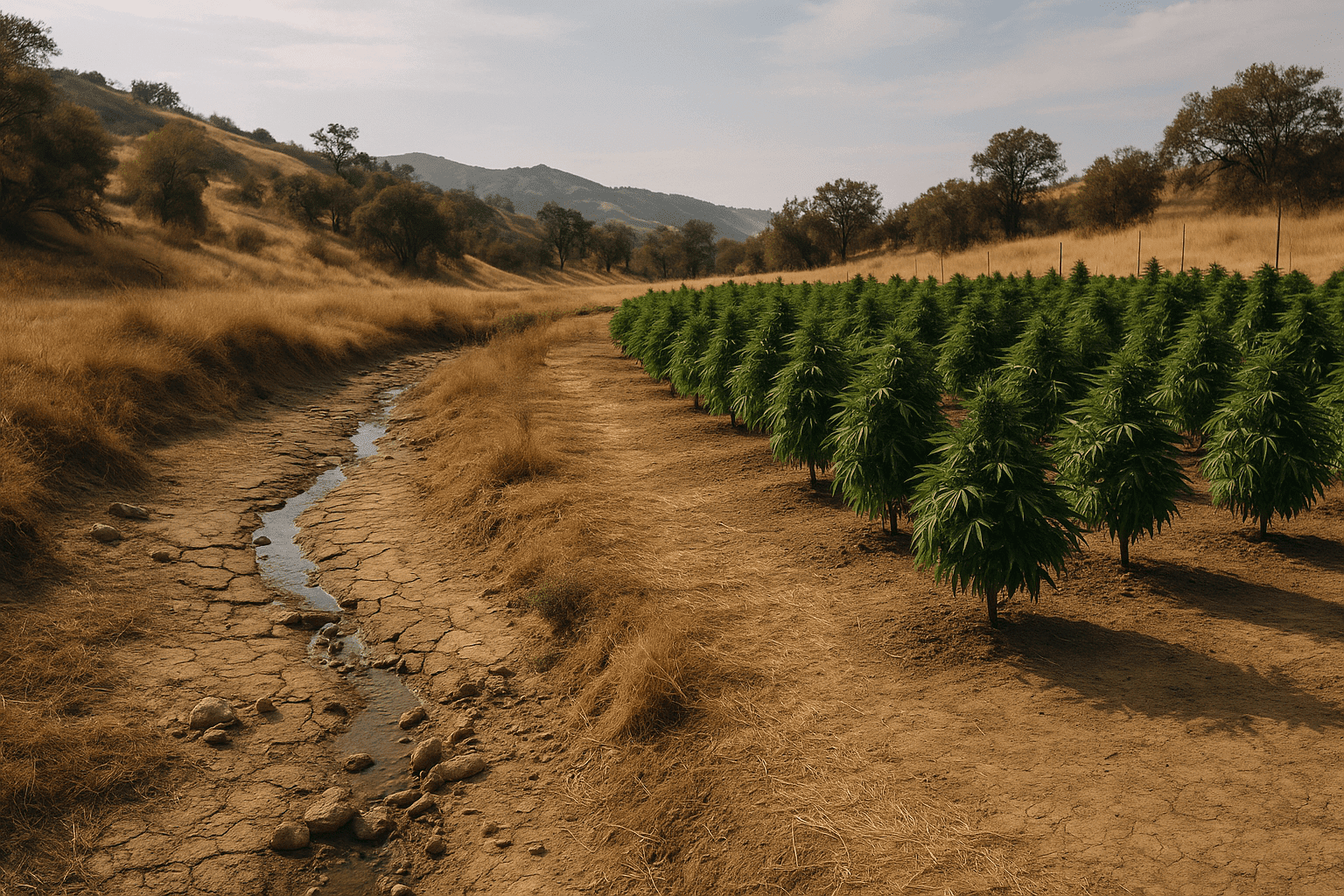
Cannabis cultivation, especially outdoor and mixed light grows, can consume significant amounts of water depending on the scale and the growing methods involved. For many California cannabis farmers, particularly those in regions like Mendocino, Humboldt, and Trinity counties, water arrives via mountain streams, wells, or stored rainwater. Yet recent drought cycles and regulatory shifts mean that water access is no longer guaranteed in the steady ways it once was.
Growers have reported that restrictions now sometimes limit surface water rights during the dry season, compelling farms that primarily sourced from creeks and rivers to shift their approach or reduce acreage. This dynamic introduces operational uncertainty into yearly planning—schedules for planting and harvesting no longer align smoothly with water availability. This shifting balance underscores how intertwined natural cycles remain with cannabis farming success.
Beyond just supply limits, the timing of water restrictions often coincides with critical phases of the cannabis life cycle, such as vegetative growth or flowering, when water demand peaks. This forces farmers to make tough decisions about where to prioritize water or how to adjust nutrient delivery accordingly. Some growers acknowledge that the unpredictability of water availability has introduced more stress into farm management than drought itself.
Adaptation beyond conservation
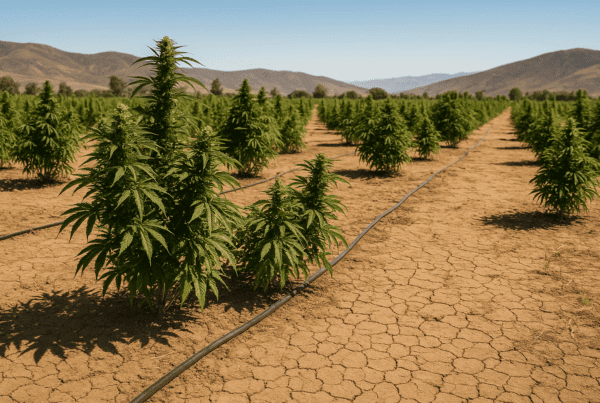
Faced with these water constraints, farmers are moving toward more nuanced adaptations rather than simple cutbacks. Some are investing in more efficient drip irrigation systems that minimize waste by targeting water directly to plant roots. Others have turned to soil health improvements, incorporating organic matter to boost water retention and reduce evaporation. The idea is to get more mileage out of each gallon without jeopardizing yield or potency.
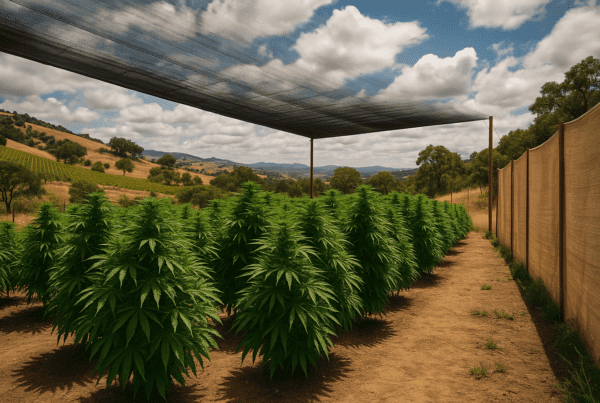
Beyond irrigation, some producers are experimenting with strains reputed to be more drought tolerant, though the genetic response to water stress in cannabis is a complex area still under study. Others shift planting schedules or use shade cloths to reduce heat stress and thus lower transpiration rates. These adjustments reflect a more holistic view of water management that combines technology, biology, and environmental awareness.
The evolution of water management also ties into broader conversations about sustainable cannabis cultivation. Consumers and regulatory bodies alike have heightened expectations around environmental responsibility, pushing farms to innovate. For example, rainwater catchment systems have gained traction among cultivators, especially in areas where capturing seasonal precipitation can lessen dependency on streams or wells during drier months.
Regulatory ripple effects and enforcement realities
California’s water regulations surrounding cannabis do not operate in isolation. They interact with other state requirements such as the Cannabis Cultivation Policy and regional rules set by watershed management boards. Compliance involves navigating a maze of reporting, permitting, and monitoring practices that can strain smaller operations without dedicated compliance teams.
The enforcement of water restrictions came with some surprise for growers who found themselves confronting previously unfamiliar inspection regimes and penalties. Critics argue that some of the rules can feel detached from on-the-ground realities, where natural water cycles and farming needs are complex. At the same time, state agencies maintain that the urgency of protecting fragile aquatic ecosystems and conserving water demands firm measures.
Some growers express frustration over the inconsistency of inspections or the delay in permits that affect their ability to adapt quickly in a season. Others have found value in better recordkeeping and water meters, as these tools help demonstrate compliance and even reveal new efficiencies on the farm. Still, the burden of compliance often falls heavier on smaller or more remote farms with less access to technical support.
The broader picture around cannabis agriculture and climate stress
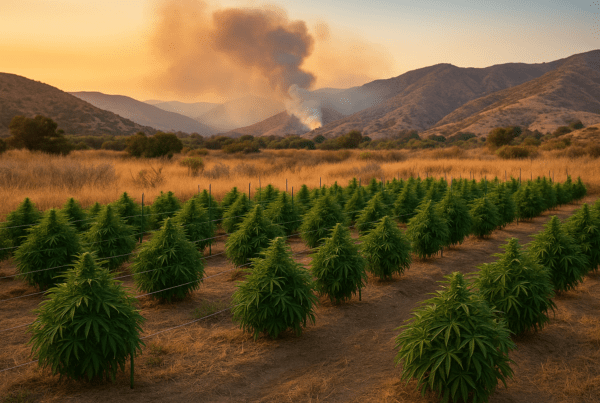
Water supply constraints are only one facet of the environmental challenges buffeting cannabis cultivation in California. Increasing temperatures, forest fire risks, and shifting weather patterns compound pressures on growers year after year. Cannabis farms often sit nestled in highly sensitive environments, where human activity must carefully balance with ecosystem health.
Watching how farms adapt to water restrictions offers a glimpse into the difficult tradeoffs of growing this crop in a warming and drying landscape. Some growers view these limits as a signal that farm scale and method must evolve to fit new ecological realities. Others wrestle with the economic impacts of constrained production or the costs of upgrading infrastructure to remain compliant.
Beyond the direct economic effects, these pressures also ripple into community relationships. Water is often a shared resource, and cannabis cultivation adds new layers to long-standing tensions between agricultural, residential, and ecological water users. Inclusive conversations about resource allocation and mutual benefits are still emerging in many regions.
What stands out is that cannabis cultivation is far from immune to broader environmental shifts. Its sustainability will rely on ongoing observation, investment, and adaptation—in irrigation technologies, soil management, legal frameworks, and community engagement. These changes, observed in real time, reveal a plant economy negotiating a tricky path between opportunity and limitation.
For those interested in further detail, agencies like CalCannabis and the California Department of Water Resources provide transparent updates on current water policies and environmental resource management tied to cannabis agriculture. Industry news platforms such as MJBizDaily offer ongoing reports that track how growers nationwide are facing similar resource challenges. Meanwhile, environmental nonprofits such as the California Salmon Council analyze the ecological stakes behind water use policies.
In California’s complex relationship between cannabis farming and natural resource conservation, recent water use restrictions are a vivid example of how policy, environment, and culture intermingle. Those watching this evolving story will find plenty to ponder: how much can water use be reduced without undermining crop viability? What innovations will best balance economic and ecological priorities? How will local communities shape priorities around shared water resources in years to come? These are living questions, addressed not through headlines, but through daily choices made on the ground.
Further observation will tell how the industry and the environment steadily adjust to each other in this demanding terrain.
Sources and Helpful Links
- California Cannabis Portal, offering official details on water and environmental regulations affecting growers
- California Department of Water Resources, explaining statewide water efficiency programs
- MJBizDaily, covering cannabis industry news and regulatory changes including water restrictions
- California Salmon Council, sharing environmental perspectives on water use and habitat protection