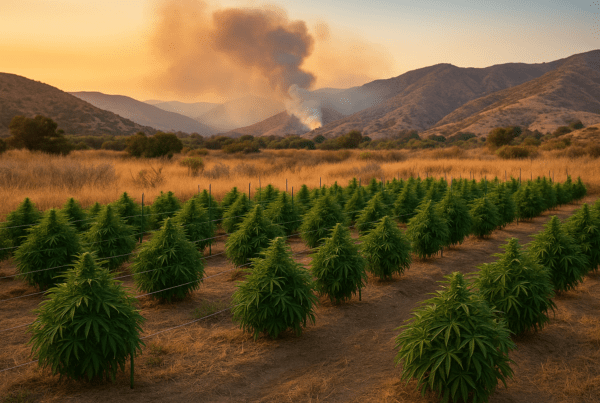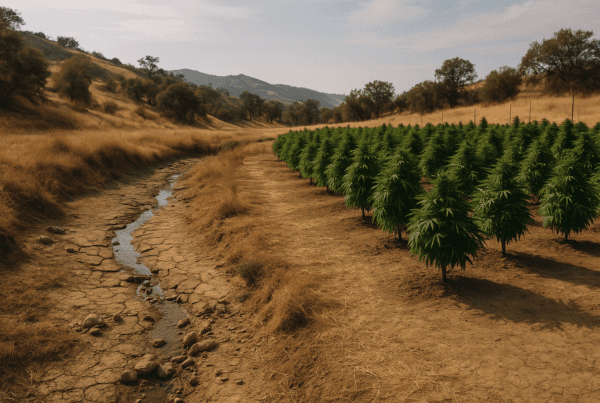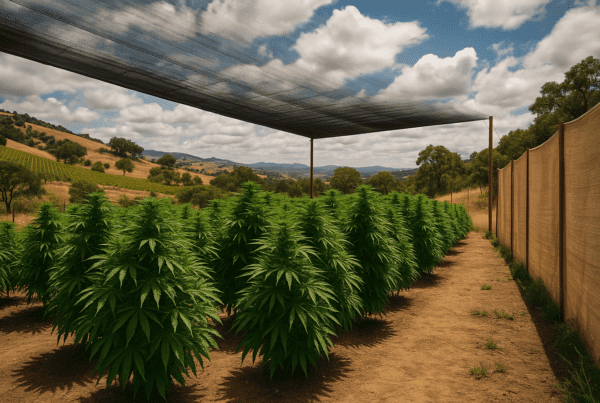

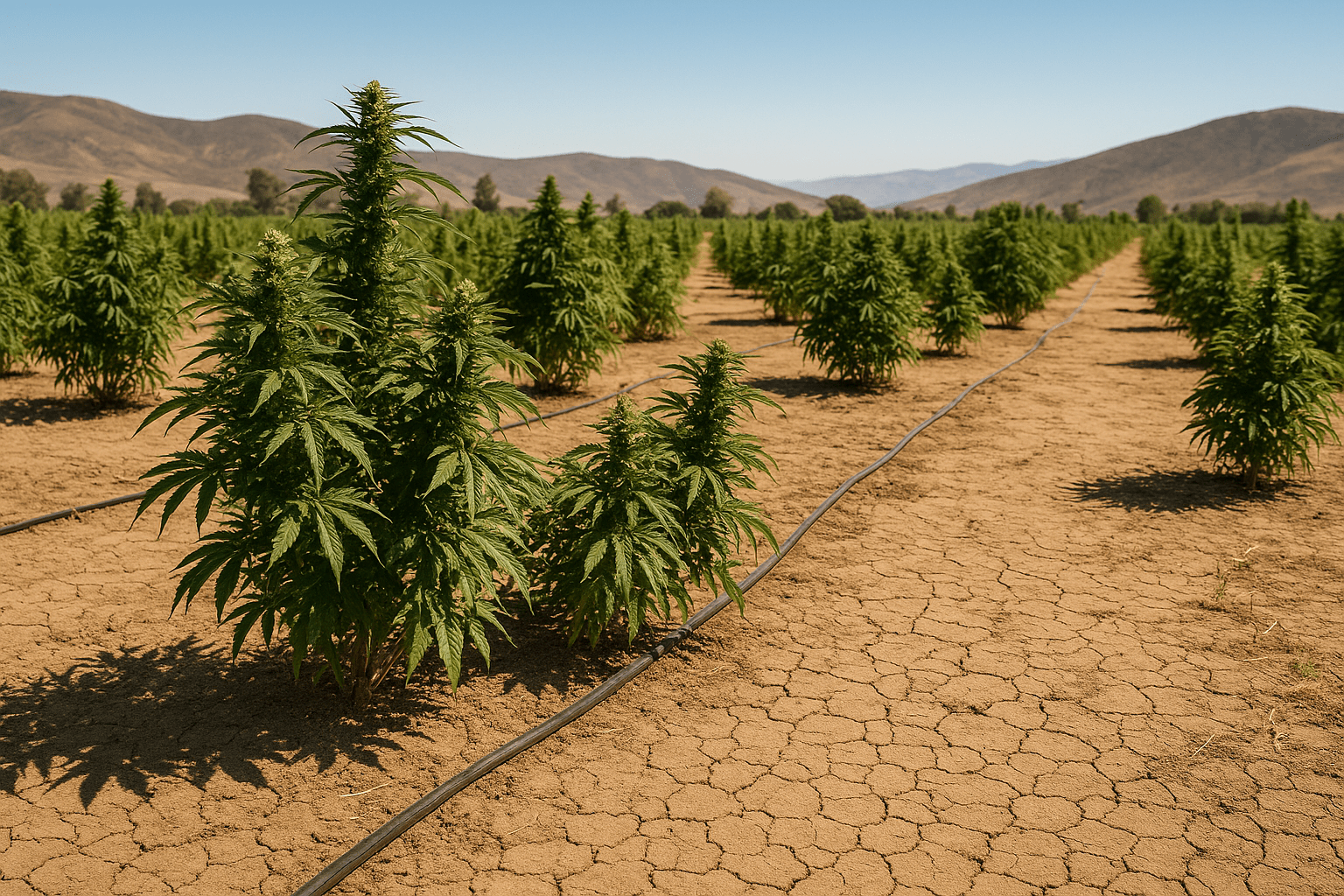
Water scarcity has become a defining factor for many sectors in California, and cannabis cultivation is no exception. The ongoing drought affecting large parts of the state has added layers of complexity for growers searching for solutions that protect their crops without exhausting limited water resources.
Shifting Water Use in the Face of Limits
For cultivators in California, water has long been the lifeblood of healthy cannabis plants. Yet as reservoirs, rivers, and underground supplies dwindle, growers find themselves reevaluating traditional watering schedules and irrigation methods. Instead of watering generously on fixed timetables, many are monitoring soil moisture more closely or employing drip irrigation systems that target roots with precision.
Some farms are moving away from flood or overhead irrigation, methods that waste water through runoff or evaporation, in favor of drip lines that deliver the exact volume necessary. This precision not only conserves water but can improve plant health by reducing fungal issues tied to overly wet foliage. According to the California Department of Water Resources, such efficiency improvements are increasingly critical as drought conditions persist across the state.
Exploring Soil and Growing Mediums with Water Conservation in Mind
The drought is also encouraging a closer look at the soils and growth mediums used in cultivation. Traditional potting soils can dry out quickly, forcing more frequent watering. Some growers turn to soil blends designed to retain moisture longer or amend their soils with materials like coconut coir or biochar to improve water retention while maintaining aeration.
Others are experimenting with no-soil alternatives such as hydroponics, where water can be recirculated in closed-loop systems that minimize waste. Still, these setups demand careful monitoring and energy inputs, factors that growers balance against water savings.
Legal and Regulatory Pressures Align with Environmental Concerns
California’s regulatory environment has evolved alongside drought emergencies, with water use restrictions introduced for cannabis operations in various counties. Local water management agencies sometimes impose limits on groundwater pumping, require reporting, or encourage measures that reduce overall consumption. These rules reflect the growing recognition that cannabis cultivation must coexist with broader environmental needs.
For example, counties within the State Water Resources Control Board’s drought response program have emphasized sustainable practices, requiring commercial growers to submit detailed water use budgets. While compliance adds extra steps, some cultivators view it as an opportunity to investigate more sustainable practices that could make their operations resilient against future droughts.
Crop Selection and Timing Shifts Reflect Water Realities
Beyond irrigation changes, some farmers are reconsidering the cannabis varieties they cultivate. Strains vary in their water needs and stress tolerance. Selecting cultivars with greater drought resilience can reduce irrigation demands. Indicas tend to consume less water than sativas, so a shift toward certain genetics aligns with conservation goals.
Moreover, adjusting planting and harvest cycles to avoid the driest months can help growers maximize natural rainfall and reduce reliance on stored water. This temporal strategy requires flexibility and experience, as the growing season’s timing impacts not only water but temperatures and pest pressures.
Community and Knowledge Sharing Spur Innovation
Among California’s cannabis growers, there is a noticeable trend toward sharing observations and techniques related to water conservation. Local grower forums, cooperative extensions, and industry groups are circulating practical advice on drip system designs, mulching methods, and alternative growing mediums that keep roots moist longer. These peer exchanges often reveal subtle practices not immediately visible in mainstream reporting but vital in lived experience.
Researchers are also contributing by testing new varieties and practices under controlled conditions. While each grower’s terrain and weather differ, insights from these studies flow into the community, slowly shaping more sustainable cultivation culture.
Drought Challenges Reflect Larger Environmental Awareness
What is clear is that drought conditions have nudged cannabis cultivation towards a deeper respect for water as a shared resource. While the industry once leaned heavily on abundant water, current realities underscore the importance of stewardship. For many growers, balancing water restrictions with crop health is a complex, ongoing puzzle.
In that sense, the drought represents more than an obstacle. It is also prompting reflection about long-term sustainability in cannabis farming, especially as climate variability persists. Watching these changes unfold offers a glimpse into how agriculture, regulation, and environmental pressures intertwine in California’s evolving cannabis landscape.
While it remains uncertain how prolonged the drought may last, the efforts to adapt reflect a growing maturity among cultivators and their increasing commitment to sustainable water use.
For more about water management and drought considerations in California cannabis cultivation, resources from the California Cannabis Portal and the California Department of Food and Agriculture offer ongoing guidance and updates.
Most notably, these adaptations suggest that cannabis farming is learning to work with natural limits instead of against them — a trend that could influence practices well beyond California.
Looking at the Future from a Present Water Crisis
For now, each watering decision carries weight. The drought is pushing growers to refine their craft with an eye not only on yield but also on water footprint. In the end, the plants growing amid these challenges symbolize a careful balance between cultivation and conservation that will likely define much of California agriculture going forward.
Whether the drought intensifies or eases, the experiences gained now add to a collective understanding of managing cannabis crops in a fragile environment, lessons that may be passed on with the harvest.
Every drop counts, and growers’ responses to these tight water conditions reflect resilience, ingenuity, and a cautious hope for a more sustainable future.
Sources and Helpful Links
- California Department of Water Resources – Information on water use programs and efficiency strategies in California
- State Water Resources Control Board Drought Program – Details on drought emergency responses and water regulation
- California Cannabis Portal – Statewide updates and resources for cannabis growers
- California Department of Food and Agriculture – Agricultural resources including for cannabis cultivation