

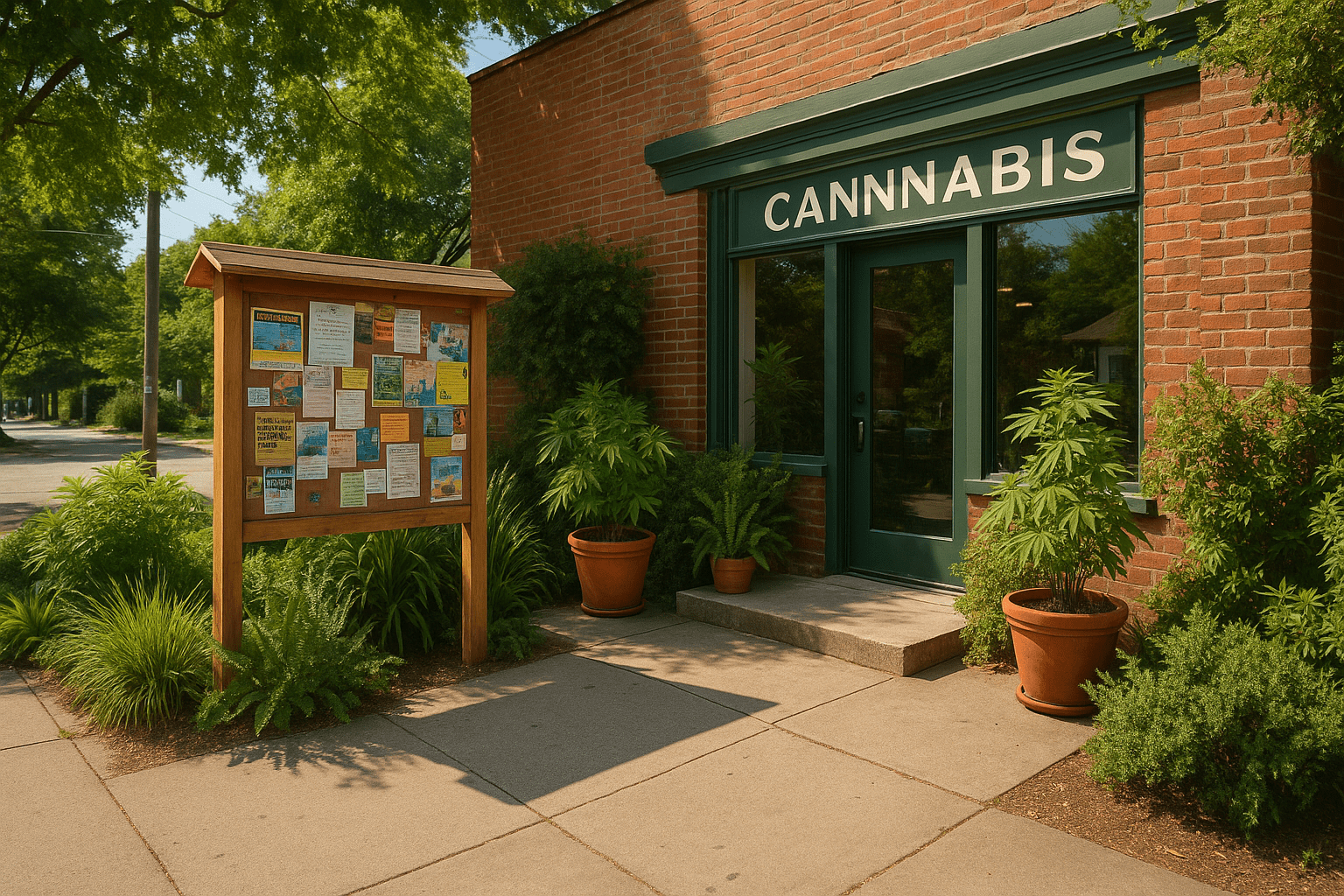
Passing by an independent cannabis dispensary recently, a sharp eye might notice more than just the newest strains on display. Behind the counter and in the back offices, businesses like these are grappling with shifting licensing landscapes that influence everything from inventory choices to daily operations. These licensing changes are not uniform; they vary widely depending on the state or locality, with some areas introducing more stringent entrance criteria, others adjusting fees or security demands, and many imposing new reporting and compliance protocols.
Pressures From Licensing Meet Roots in Local Communities
Many independent dispensaries started from a local impulse, often driven by a desire to serve medical patients or provide an alternative to corporate chain stores. As licensing criteria become more rigorous and bureaucratic, these deeply rooted shops find themselves navigating a tension between staying compliant and preserving the very aspects of their identity that attracted loyal customers to begin with. Detailed paperwork, upraised security requisites, and staff certification rules often pull resources toward administrative needs and away from community engagement.
For some dispensaries, this leads to a gradual smoothing out of their unique character as they prioritize meeting regulatory demands. This phenomenon is common where cannabis markets face rapidly changing rules that sometimes shift abruptly or unevenly enforced, creating a patchwork of expectations local operators must meet. The cost is often a sense of uniformity creeping into spaces that once thrived on local culture and personalized customer relationships.
The Rising Costs and How Business Models Shift
Beyond the cultural strains, the financial impact of evolving licensing rules grows heavier. States may raise fees for licenses, impose new mandatory testing standards, or enforce comprehensive tracking systems like seed-to-sale monitoring to increase transparency and reduce illicit sales. Smaller dispensaries, often operating on tight margins, face real risks as these costs accumulate. Some close down or get absorbed into larger chains, while others trim operations, share resources with peers, or diversify to remain afloat.
Certain jurisdictions introduce mandates for vertical integration, requiring shops to control some aspect of cultivation or manufacturing. Others demand detailed disclosure of ownership to combat illegal activities, which can intimidate smaller players who lack the resources to comply swiftly. This environment forces dispensaries to balance legal compliance and operational flexibility while maintaining appeal to their local customer base.
Navigating License Renewals Amid Uncertainty
Renewing a cannabis license these days often changes from a routine formality to a rigorous audit. Detailed reviews of financial records, sales data, and previous compliance history require solid record keeping and sometimes the help of consultants. The fluctuating nature of local laws adds stress, as delayed or sparse communication from regulators can leave dispensaries in limbo, unsure how to best position themselves for approval.
This uncertainty pushes some shops to adopt lean inventory strategies-keeping stock levels conservative to avoid overinvestment amid unclear regulations. Such caution curtails expansion possibilities and contributes to turnover in ownership as newcomers struggle to break into the market amid unpredictable conditions.
Building Strength Through Collaboration and Technology
Yet, not all responses to these regulatory challenges are reactive. Independent dispensaries often turn to collaboration and technology as ways forward. Regional trade groups can play crucial roles by sharing industry updates, advocating for clearer regulations, and providing a community of support. Technology platforms designed for cannabis compliance help automate inventory tracking, testing records, and reporting, reducing administrative burdens.
Partnerships between dispensaries and growers or manufacturers also emerge, fostering a tighter supply chain where everyone understands the regulatory landscape. These relationships demonstrate how shifts in licensing impacts ripple through the entire cannabis ecosystem, from seed to customer.
Peering Beneath Changes to See a Sector in Transition
What licensing changes reveal is a sector evolving from its earlier days into a more formalized industry. While this opening up brings challenges-extra costs, complex paperwork, a squeeze on individuality-it also points toward a maturing market aiming for public safety, transparency, and sustainability. Independent dispensaries, with their close connections to local communities and nimble approaches, offer a real-world view into this transformation beyond headlines about legalization.
When stepping into a dispensary, customers usually notice products and prices first, but behind that is a negotiation between regulatory forces and entrepreneurial spirit. Shelves stocked, staff hired, and prices set all respond to an often-complicated web of licensing rules. Watching how these local shops adapt offers insight into the ongoing balance of commerce and community at the heart of cannabis’ rapid change.
For those interested in following these shifts, organizations such as the National Cannabis Industry Association provide valuable industry advocacy and breaking news. State regulatory agencies like the Colorado Marijuana Enforcement Division issue detailed licensing updates and guides. Groups including the National Association of Cannabis Businesses offer education about compliance and business development. Media coverage on sites like the Leafly Politics Section helps track ongoing federal and state regulatory trends.
The cannabis dispensaries that started as small, local operations often find themselves at the intersection of regulation and entrepreneurship, navigating challenges and opportunities in a market still finding its footing.
Sources and Helpful Links
- National Cannabis Industry Association – Advocacy and resources for cannabis businesses navigating regulatory change
- Colorado Marijuana Enforcement Division Licensing – State-level licensing requirements and updates
- National Association of Cannabis Businesses – Support and education on industry compliance and business strategies
- Leafly Politics Section – Current news and analysis on cannabis legislation and regulation trends