
It is increasingly common to hear cannabis enthusiasts mention terpene profiles alongside THC or CBD content when discussing their preferred strains. This attention toward terpenes, especially the balance between them, reveals a quietly growing trend. Consumers are looking beyond potency alone, tapping into how nuanced terpene ratios shape the overall experience of cannabis.
Layers of aroma and flavor that tell a plant’s story
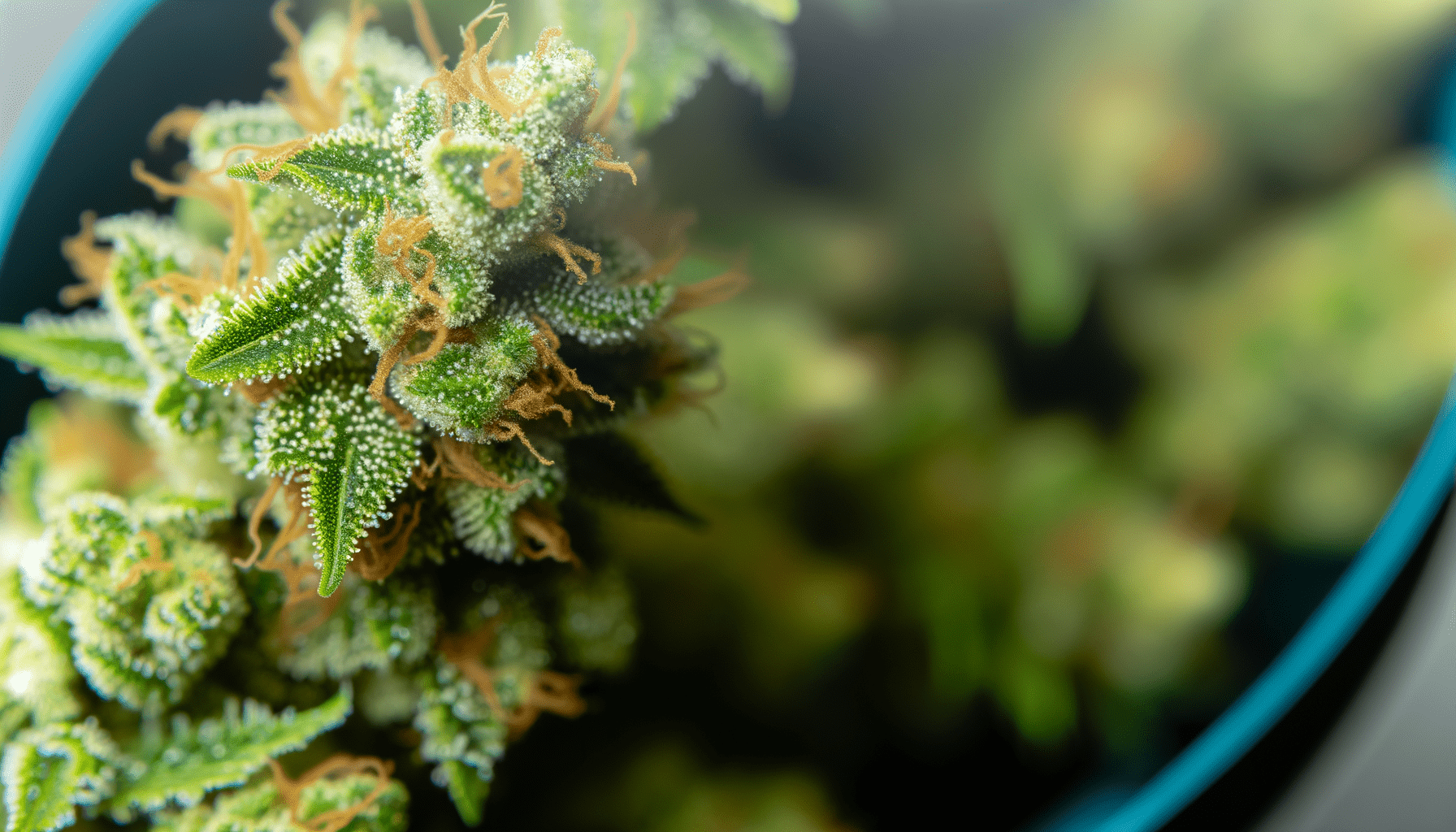
Terpenes create much of what we understand as the scent and taste of cannabis. In well-known strains, a single dominant terpene might have once defined the sensory experience, like pine-heavy pinene or citrus-forward limonene. These days, it is not unusual to find strains with complex bouquets, a blend of multiple terpenes in more equal proportions. This balance tends to produce flavors that feel richer and more seamless rather than sharp or one-dimensional.
For some growers and consumers, balanced terpene profiles suggest a kind of fidelity to the plant’s genetics or a careful approach to cultivation. Subtle subtleties across myrcene, caryophyllene, linalool, and others weave together in combinations that are more layered. Instead of an singular punch of aroma or flavor, these mixtures invite closer engagement, drawing people back for repeat experiences with more to discover.
How the entourage effect idea nudges preferences forward
There is a growing conversation about the entourage effect, which points to the idea that cannabinoids and terpenes work together to shape the effects of cannabis in the body. Although the science is still evolving, this concept resonates with many consumers who notice different impacts from strains with diverse terpene profiles despite similar THC content.
Balanced terpene ratios are often linked with smoother, sometimes more predictable effects. Rather than a strain that hits strong on a single front, these combinations might encourage steadier mood shifts or a blend of relaxation and clarity. This nuanced effect can suit users looking for a more tailored daily experience or those who want to avoid some of the overstimulation that happens with high-THC, terpene-simple strains.
Real-world observations also show that strains with terpene diversity can feel more stable in effects across different users. While individual biochemistry will always make some difference, the balance seems to reduce extremes in how people respond. This tends to appeal to individuals adjusting their consumption for wellness or sustained creative flow rather than a high-intensity sensation alone.
Growing conditions shape the terpene balance in subtle ways
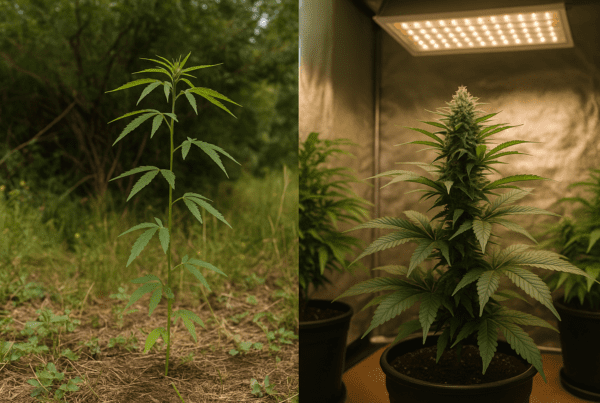
Not all growers focus on terpene balance. But as cultivation techniques improve and more attention is paid to how environment and harvest timing influence terpene development, some producers are shaping products that emphasize this balance. Lighting, temperature, humidity, and especially curing processes all contribute to which terpenes dominate and how ratios unfold.
Producers can use these factors to encourage broader profiles rich in less common terpenes. These balanced terpene strains often arrive with fresh marketing angles highlighting the nuanced experience or the heritage of carefully selected genetics that maintain terpene diversity over time.
Living in an era where cannabis is becoming mainstream, more consumers have the chance to explore strains grown with intention toward these aromatic and effect-based qualities. Their increased curiosity about flavor and experience pushes the market to respond and innovate in these directions.
Where this could lead for consumers and the wider market
More balanced terpene ratios also start to challenge how product labels communicate what cannabis offers. Traditional labels leaning mainly on THC or CBD percentage now compete with terpene profiles and effect descriptors that try to capture the subtle differences experienced. This forces consumers and retailers to become more discerning in choices based on sensory experience rather than number-based potency alone.
For the everyday consumer, this means a wider variety of choices and the potential to find products that fit moments with greater precision – whether it is enhancing social creativity, deepening relaxation, or something in between. As consumer familiarity grows, terminology around balance and profile complexity may become common discussion points in dispensaries and social settings.
Ultimately, balanced terpene ratios underscore a more mature moment in cannabis culture. It reflects a shift toward appreciating the plant as a whole, living organism with many interacting parts rather than simply a source of THC. This represents both a real change in consumer behavior and an opening for new ways to engage with cannabis on more sensory and personal levels.
More about the science of cannabis terpenes can be explored through resources like the Leafly terpene guide or the detailed profiles maintained by Cannabis Reports. These platforms share data and insights that help consumers and growers alike track how different terpene combinations relate to effects and flavors.
For those interested in how cultivation influences terpene outcomes, the Colorado State University Extension offers research-based perspectives on the role environment plays in terpene expression at CSU Extension’s cannabis and hemp program. These efforts contribute to how science and practice come together to shape what cannabis offerings look like in the market today.
Already, more consumers are paying attention not just to potency but to how terpene balance can make cannabis feel and taste different in unexpected ways. This shift illustrates a broader curiosity about cannabis as a complex plant with a spectrum of sensory and experiential qualities still unfolding for many.
Exploring balanced terpene ratios seems to be less about chasing some ideal experience and more about understanding the range and variety within cannabis itself. It points toward an evolving relationship, one that rewards tasting, sharing, and reflecting, ultimately bringing a richer appreciation for what cannabis has to offer.
Those exploring the growing selection of balanced terpene strains might find their favorites by tuning into more than just the psychoactive edge and instead opening to how harmony between elements alters everything from aroma to effect.
It is a subtle but increasingly clear signal: cannabis is as much about layers as levels, and consumers are noticing with rising interest.
Sources and Helpful Links
- Leafly terpene guide – An overview of cannabis terpenes and their impact on flavor and effects.
- Cannabis Reports – Extensive strain profiles including terpene breakdowns and user effects.
- Colorado State University Extension’s cannabis program – Research on how environment affects cannabis terpene development.