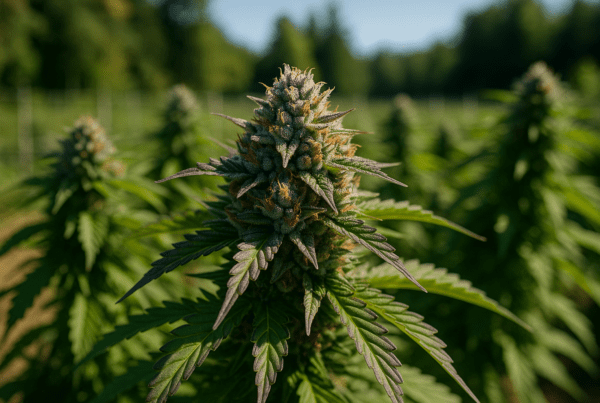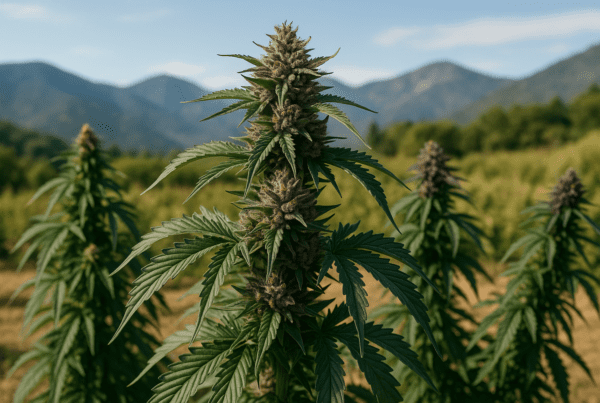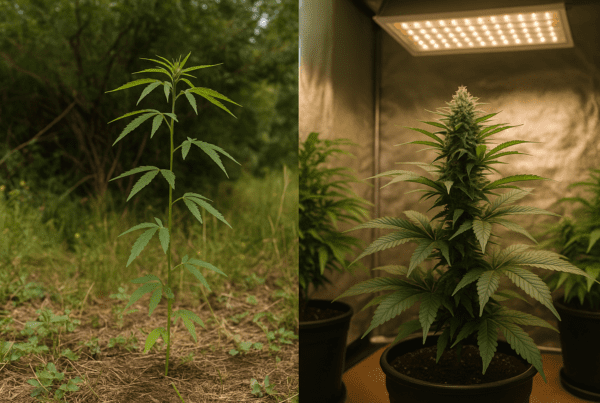

Cannabis has moved far beyond simple labels of indica, sativa, or hybrid. For decades, those categories shaped how people expected a strain to make them feel but lacked precision. Somewhere in the background of this evolution, analytical chemistry stepped in and started clarifying what often seemed like a murky, subjective world. Instead of relying purely on anecdotal reports or loose genetic ideas, the finer details of chemical profiles began to offer a more tangible way to differentiate strains and their effects.
Peeling back layers with cannabinoids and terpenes
Most introductory conversations about cannabis chemistry focus on THC and CBD. These cannabinoids certainly pack a punch and shape much of the psychoactive and therapeutic experience. Yet, analytical chemistry reveals so much more beneath these headline compounds. Terpenes for one, the aromatic molecules responsible for the smell and flavor of cannabis, show remarkable diversity across strains and growth conditions.
Researchers and cultivators alike tend to watch how compounds like myrcene, limonene, pinene, and caryophyllene change total plant effects. This is not just about pleasant aromas; these elements often influence the mood, energy, or relaxation potential when consuming cannabis. Analytical tools highlight how small shifts in terpene ratios might nudge a cultivar’s effect from calming to uplifting, or from clear-headed focus to deep sedation.
One notable point emerging from recent chemical analyses is that the cannabinoid and terpene ratio varies significantly, even among strains carrying the same familiar name. The broad label “Blue Dream,” for example, can boast divergent profiles depending on where and how the plants were grown and harvested. This variation helps explain why consumers occasionally report different experiences from ostensibly the same strain.
Technology bringing greater clarity to cultivation and consumption
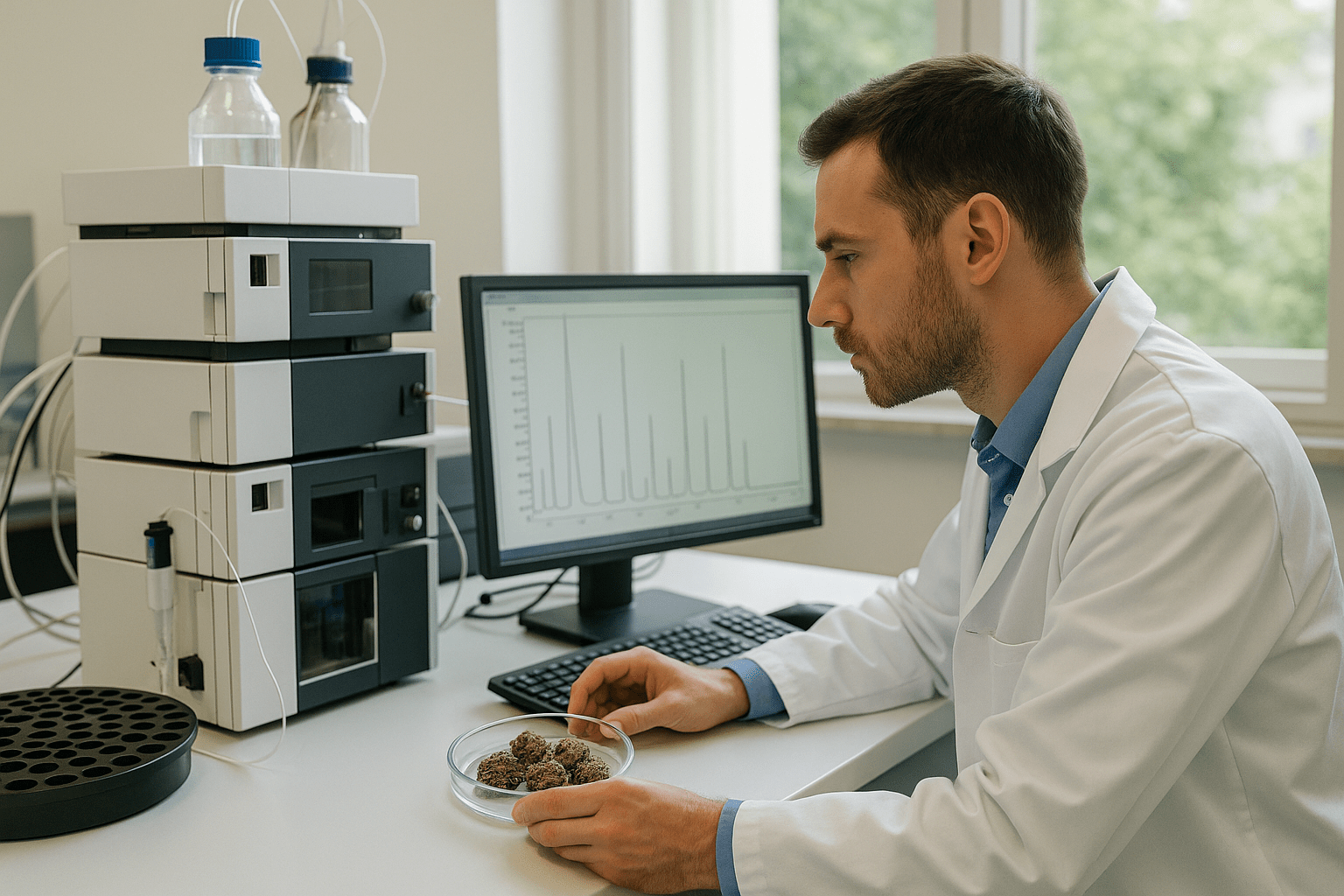
High-performance liquid chromatography (HPLC) and gas chromatography (GC) are among the technologies quietly weaving themselves into cultivation workflows. Labs dedicated to cannabis testing apply these techniques to measure not only cannabinoids and terpenes but also minor compounds like flavonoids. Although flavonoids contribute less to psychoactivity, their biochemical roles could influence effects in subtle ways analysts continue to explore.
For growers, lab data informs critical decisions from genetics to harvest timing. Chemical profiles allow adjustments designed to enhance desired traits or reduce unwelcome compounds – say, to maximize certain terpenes or avoid excessive THC potency. Having concrete numbers rather than guesswork sharpens cultivation strategy, potentially translating to more consistent products for consumers.
Meanwhile, consumers may find that accessing analytical reports changes how they select products. Instead of feeling stuck with generic strain names, shoppers can look deeper into the cannabinoid and terpene content, a practice somewhat akin to scrutinizing a wine label for grape variety and vintage rather than only relying on the brand. This shift marks a more participatory, informed era of cannabis consumption.
Challenges in connecting chemical profiles to lived experience
Despite growing precision in chemical measurement, conclusively mapping cannabis chemistry to individual effects remains elusive. The interactions inside the human body, shaped by personal biology, dosage, method of consumption, and even mindset, complicate attempts to link specific profiles rigidly to blanket experiences.
Moreover, the entourage effect, the concept that cannabinoids, terpenes, and other compounds act together synergistically, adds layers of complexity. While analytical chemistry can identify and quantify separate components, understanding how their combined presence translates into subjective sensations is still largely in progress. Some studies suggest particular combinations might enhance or modulate effects, yet definitive patterns remain hard to pin down.
There is also the challenge of standardizing terminology, as many strains have overlapping compound profiles and inconsistent naming conventions. Labs are developing new standards and databases, but the road toward universally accepted chemical fingerprints for strains is ongoing.
Looking ahead: The evolving landscape of cannabis chemistry
The momentum around profiling cannabis through analytical chemistry reflects broader changes in the industry. As legalization spreads and markets mature, both regulators and consumers demand transparency and consistency. Testing requirements typically include potency and contaminant screening, but the push for detailed cannabinoid and terpene data is increasing, seen as a quality marker.
Meanwhile, some businesses leverage chemistry data to guide breeding projects, targeting specific profiles that could cater to medical conditions or preferred experiences. These developments hint at a future where cannabis is understood and marketed more like other complex agricultural products, with clear and reliable information on what each harvest delivers.
Observing where analytical chemistry intersects with cannabis uncovers a fascinating blend of science, craft, and consumer culture. What was once a haze of broad generalizations about strain effects is gradually turning into a mosaic of nuanced chemical insights accompanied by growing knowledge about how those chemicals express themselves in real human experiences.
The field remains dynamic and far from complete, but the tools and methods have matured enough to offer meaningful differentiation. For those interested in cannabis beyond simple categories, the chemical data unlocks a deeper story about the plant’s diversity and its potential impact.
This subtle, layered approach to understanding cannabis mirrors how many long-time enthusiasts grow – from first impressions based on scent and headline cannabinoids to a richer appreciation for the detailed chemistry that shapes every strain’s character. Analytical chemistry will not replace personal experience but rather enrich it with clearer, measurable clues into the complexities of cannabis.
Exploring this terrain requires patience. As labs refine techniques and researchers probe compound interactions, a more dependable map of cannabis’s chemical landscape will emerge. In the meantime, new data invites consumers and cultivators alike to engage with cannabis as something complex and interesting, not merely functional.
You can start to see how this information changes the way people talk about cannabis effects in forums and reviews. No longer just “high” or “relaxed,” discussions increasingly reference terpene profiles or cannabinoid ratios as part of a shared vocabulary. This growing sophistication signals a maturing relationship to the plant that analytical chemistry helps facilitate.
For anyone intrigued by the evolving cannabis scene, following the developments in analytical chemistry offers a real-world window into how science intersects with everyday experience. It’s an invitation to understand cannabis not only by its cultural story or genetics but by the tangible molecules contributing to what people feel, smell, and remember.
Those molecules, quietly measured in labs around the world, are unlocking chapters that until recently remained hidden in the cannabis plant’s complexity.
Sources and Helpful Links
- Leafly on Cannabinoids and Terpenes A detailed look at the compounds that influence cannabis effects.
- NCBI review of Cannabis chemistry and biological impacts A scientific overview of cannabis compounds and their interactions.
- FDA on Cannabis Research and Regulation An official perspective on regulation and research requirements.
- Cannabis Business Executive on Testing and Analytics Industry insights into the role of analytical chemistry in cannabis business.
- Study on the Entourage Effect An exploration of how cannabis compounds interact synergistically.