

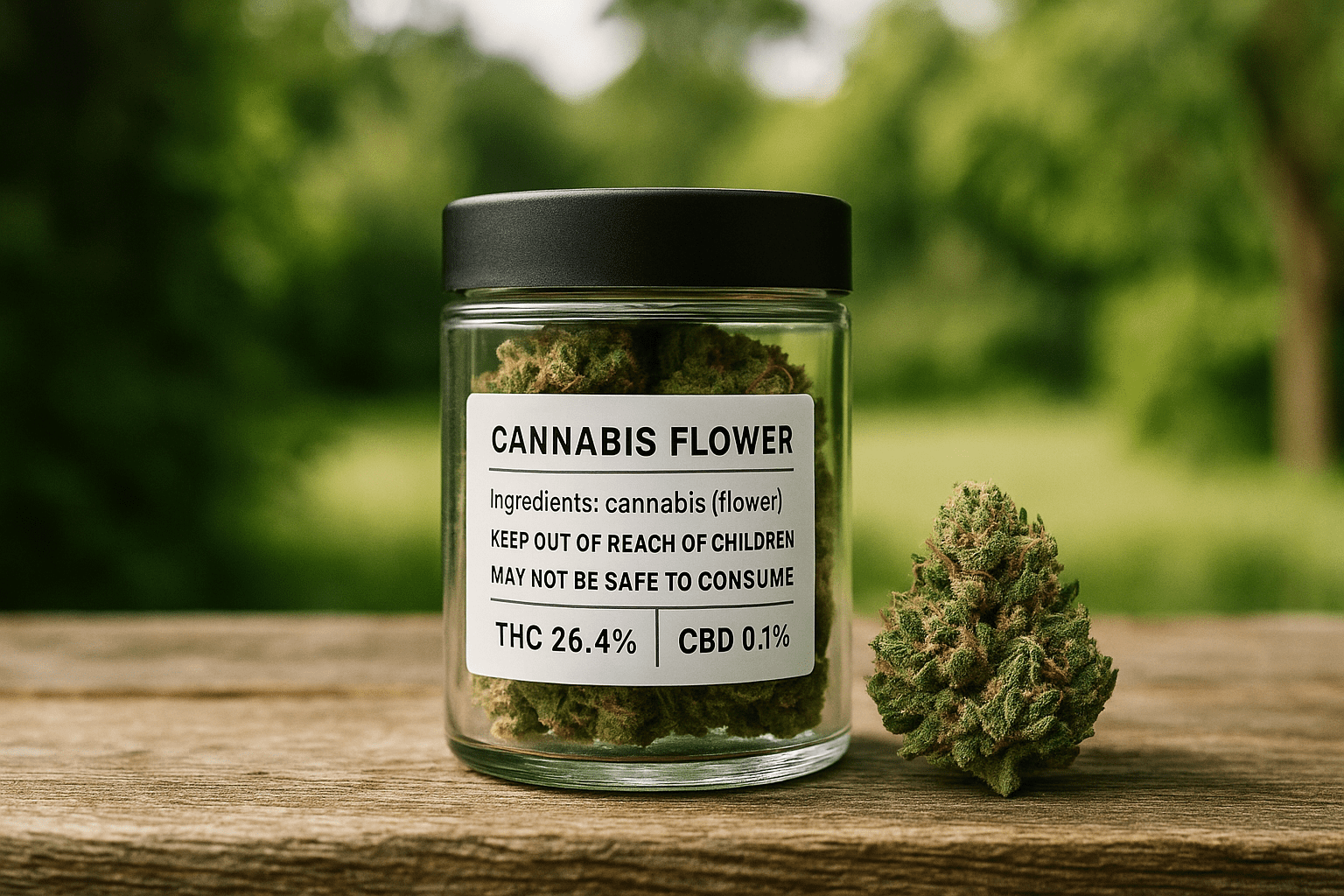
There is a distinct shift happening with cannabis product packaging that goes beyond aesthetics or branding. Recent transparency laws aim to clarify what consumers see on cannabis containers, altering the marketing landscape. This change doesn’t just affect what’s written on the label but shapes the relationship between buyers and brands at the point of sale.
When Packaging Tells More Than a Story
For years, cannabis companies experimented with packaging styles to catch attention and hint at the experience inside. Bright colors, unique fonts, and clever logos have all been part of the visual language that helps a product stand out on a shelf or website. However, newer transparency laws introduce another kind of visibility, one that pushes for clear ingredient lists, potency details, and safety information. These additions make the packaging not just a billboard but a source of critical information tied to consumer trust.
The push for transparency comes largely from consumer advocacy groups and regulatory bodies that want to prevent misinformation or confusion. These laws typically require detailed cannabinoid profiles, clear warnings about health risks when applicable, and disclosures around additives or cultivation methods used. The result is packaging that reads less like advertising and more like a carefully curated data sheet.
The Complexity Brands Face Behind the Clear Labels
While transparency benefits consumers, brands encounter new challenges. Marketers must balance compliance with these laws and the desire to maintain brand identity and appeal. Stripping back overly decorative designs or vague terminology can feel limiting for creative teams who used packaging to tell a brand’s story.
Labels must now deliver information in concise, straightforward ways, often within a very small space. This means rethinking typography, color contrasts, and layout strategies to make content legible. Moreover, the variance in requirements from state to state adds to the complexity, with some regions demanding lab-certified test results right on the package, or adding QR codes linking to lab reports online.
These regulations have prompted brands to work more closely with testing labs and legal advisors than ever before. For smaller producers, the cost and logistical efforts to meet these packaging standards can be a significant hurdle. On the flip side, larger companies with established supply chains and regulatory experience might find this an opportunity to reinforce quality claims and consumer trust.
Consumer Impact and Changing Purchasing Habits
From the consumer perspective, these packaging changes are mostly beneficial, but not without potential friction. Those new to cannabis might appreciate the straightforward disclosures around potency, suggested uses, and health advisories, which can reduce uncertainty and build confidence. Seasoned users may find detailed cannabinoid profiles helpful in selecting products that match their desired effects.
Yet, an information overload is a real risk if packaging becomes too dense or technical. Consumers often decide quickly based on visuals and simple claims. If transparency efforts make labels appear cluttered or intimidating, it may slow down purchasing decisions or cause frustration.
Some brands address this by including quick-reference charts or symbols that summarize key information at a glance. Others rely on online resources or apps linked via QR codes to provide in-depth details without overwhelming shelf packaging. This blending of physical and digital transparency could define how consumers interact with cannabis products in the coming years.
The Wider Implications for the Cannabis Market
These new transparency rules also signal a maturation point for the cannabis industry. Packaging that clearly outlines what is in the product and how it was made helps legitimize cannabis as a consumer good comparable to food or supplements. It supports the idea that cannabis products are complex and deserve careful scrutiny, much like any other health-related item on the market.
Compliance with these laws could soon become a form of competitive advantage. Brands that can not only meet but exceed transparency expectations might build stronger loyalty and stand out in an increasingly crowded market. Conversely, failure to adapt could lead to warnings, fines, or consumer distrust.
In a practical sense, retailers may alter stocking strategies to favor products with clearer and more comprehensive packaging. This could influence shelf placement, pricing, and even advertising partnerships. The ripple effect touches growers, processors, marketers, and retailers, making transparency a cross-industry concern rather than a niche regulatory detail.
Looking to the future, it seems unlikely that transparency requirements will disappear or relax substantially. Instead, expect these rules to evolve, potentially integrating more technology like blockchain for supply chain tracking or interactive packaging that communicates with smartphones. The landscape of cannabis marketing is steadily becoming one where open information is not just encouraged but mandated, reflecting a broader push for accountability and consumer education.
For consumers and industry participants alike, these changes invite a new awareness of what cannabis products truly contain and how they are presented. While adjusting to these laws involves work and careful thought, the result is more informed choices and a market that values honesty over hype.
Brands must now navigate this complex interplay of regulation and marketing with care, transforming their packaging into a tool that informs, reassures, and connects. Transparency is shaping the cannabis buying experience in ways that reflect real-world values and expectations, grounding the industry in a firm sense of responsibility that is here to stay.
More information about packaging requirements and evolving cannabis laws can be found through state regulatory agencies and industry guides, helping everyone involved understand the detailed ins and outs of these new expectations.
These laws reflect a growing recognition that cannabis consumers deserve clear communication about what they put into their bodies. The effects of these transparency efforts ripple throughout the supply chain, altering marketing strategies and potentially shifting consumer trust dynamics in lasting ways.
For a deeper understanding of how compliance and marketing intersect under evolving cannabis regulations, resources like the Colorado Marijuana Enforcement Divisions provide ongoing updates and guidance. Meanwhile, educational sites such as Leafly’s label guide offer practical consumer-focused explanations of what these label changes mean in real life. Industry journals including Cannabis Business Times’ compliance section shed light on how brands adjust operationally to transparency mandates.
Small changes making a big difference
In the end, what might seem like small label tweaks add up to a significant shift in how cannabis products introduce themselves to the world. Transparency laws bring a level of accountability that ties marketing to honest communication about product content and safety. It is a reminder that packaging serves not only as a seller of dreams but a vehicle for trust and clarity, factors gaining ever more weight in a market that continues to grow and diversify.
For those paying attention, packaging now tells a story that goes far beyond catchphrases and logos. It whispers transparency. It demands attention in new ways. And it offers a chance for cannabis brands to meet consumers where they are – informed, cautious, and eager for truth amidst all the noise.
Finding balance in an evolving space
The path forward navigates between regulations, marketing creativity, and consumer needs. It invites the industry to become more transparent while still retaining its unique voice and appeal. Packaging transparency laws thus become a catalyst for growth, pushing cannabis marketing to evolve into something both clearer and more compelling – a balance that reflects the complexity of the product itself.
Emerging packaging standards may feel confining at first, but they also unlock a new language of trust. In time, these transparency laws might be recognized not simply as rules, but as foundations supporting a responsible and sustainable cannabis industry that thrives on honesty and connection.
As cannabis continues to intersect with wider consumer markets and regulation tightens, staying informed on packaging requirements and their marketing implications will remain crucial for anyone involved – from cultivators to consumers, marketers to regulators.
The stakes go beyond compliance. They touch on the very way cannabis communicates its value and safety in a world eager for clear, credible information.
Transparency in packaging is no longer optional. It is central to the evolving identity of cannabis products and how they earn consumer trust one label at a time.
Sources and Helpful Links
- Colorado Marijuana Enforcement Division – Official updates on cannabis regulations and packaging requirements in Colorado.
- Leafly: Cannabis Labels Explained – A consumer-focused breakdown of cannabis packaging and labels.
- Cannabis Business Times Compliance Section – Industry news on regulations and packaging compliance.