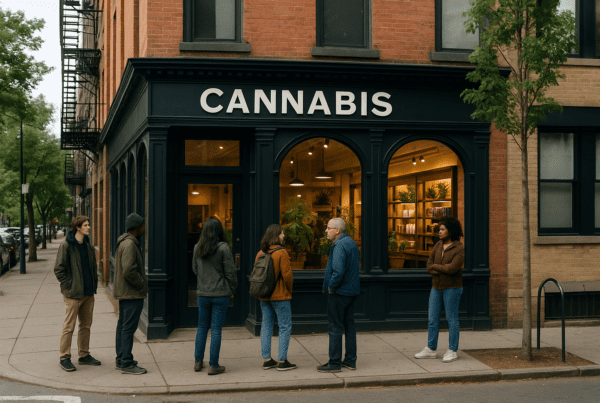


When new rules hit around cannabis advertising, dispensaries often find themselves adjusting on the fly. These regulations can be layered and tricky, touching everything from the way shops promote products online to their in-store signage and beyond.
Quieting the Noise but Raising Questions
At a glance, advertising restrictions seem straightforward: reduce public exposure to cannabis promotions, especially where youth might see them. But in practice, these rules stretch into intricate territory. Dispensaries are reckoning with limits on social media promotions, event sponsorships, and even the kind of images or language they can use. That tussle between aiming for outreach and obeying the letter of the law is a constant undercurrent.
For instance, regulations in many states now ban advertising that appeals to minors or exaggerates health benefits. This means dispensaries can’t showcase colorful cartoon-like designs or make unchecked medical claims. Instead, messaging needs to stay factual and restrained, which can feel limiting in marketing conversations that used to lean into lifestyle angles and aspirational branding.
Shifting Budgets and Strategies inside the Dispensary
Restrictions push dispensaries to rethink where they spend marketing dollars. Traditional outlets such as billboards near schools or transit ads in urban centers might be off-limits, which nudges attention toward digital strategies with age-restriction filters or direct customer relationships through loyalty programs.
Yet, at the same time, some digital platforms keep a wary eye on cannabis content. Facebook and Instagram, for example, routinely block or restrict cannabis ads. This leaves dispensaries scrambling for compliant ways to reach customers online without falling foul of platform policies or legal rules. Email campaigns and text marketing become more valuable but also demand cautious phrasing and consent management.
On the ground, dispensaries often increase educational efforts through in-store materials, workshops, or community engagement to build trust without relying heavily on flashy advertising. That kind of slow, steady relationship-building feels like a safer bet when the rules tighten. It also reflects a broader challenge: advertising cannabis must now walk a fine line between visibility and discretion.
Customer Experience and Navigating New Norms
The change ripples into customer interactions too. Many dispensaries report needing to explain why their promotional materials look different or why certain discounts or product highlights are no longer front and center. For consumers, these shifts can make cannabis seem less accessible or visible in public spaces, even as demand remains strong.
From a compliance perspective, staff training on advertising rules is becoming essential. Budtenders and marketing teams must understand nuances to avoid accidental slip-ups. Missteps, even unintentional, can lead to fines or license complications, so vigilance has tightened across operations.
All these changes can feel like a drag on growth, but they also encourage dispensaries to innovate within new frameworks. Some find creative avenues by collaborating with compliant media channels or supporting community initiatives that enhance reputation without overt sales pushes.
Regulatory Patchwork and Its Growing Pains
One complicating factor is the patchwork nature of cannabis laws across states and cities. A restriction in one area might be more lenient or stricter in another, requiring dispensaries with multiple locations to tailor their advertising approaches carefully.
This fragmented landscape makes it tough to establish a unified brand voice or campaign. What works legally in one market can easily run afoul of rules elsewhere. Legal counsel has become a frequent stop as dispensaries try to navigate these waters without costly missteps.
Industry groups and advocacy organizations often step in to clarify evolving rules and share best practices, but the pace of regulatory change remains quick. Keeping up demands constant attention, especially when new restrictions emerge on short notice due to public health or political pressures.
What This Means for the Future
The focus on advertising restrictions reveals a larger story about how cannabis is being integrated into mainstream commerce. As adult use gains acceptance, the desire to protect youth and prevent misleading claims grows stronger. The result is that dispensaries must embrace subtler, more responsible ways of presenting products.
At the same time, the resilience and adaptability of cannabis businesses show through. Many are experimenting with elevated educational content, partnerships with healthcare providers, or wellness-focused messaging that respects regulations while engaging customers thoughtfully.
Keeping a finger on the pulse of these shifts can help dispensaries find balance, stay compliant, and build long-term customer loyalty despite the limitations on visible promotion.
For those interested in the full scope of regulatory updates, official resources like state cannabis control boards often provide detailed guidance. Industry-centered publications also track these trends closely, offering perspectives grounded in current legal realities and business impacts. That ongoing conversation helps paint a clearer picture of what new cannabis advertising restrictions truly mean-beyond the headlines and initial confusion.
Looking ahead, it seems clear that cannabis advertising will continue to evolve as regulators refine their approaches and as the market matures. Dispensaries that stay observant, flexible, and authentically connected to their communities are likely to navigate these constraints most effectively.
For readers curious to explore more about these regulations and their impacts, reliable insights can be found through state cannabis agency pages and experienced industry commentators who break down changes in ways that resonate with real-world business experience.
While the advertising landscape may be more restrictive than before, the path forward for dispensaries often lies in thoughtful adaptation rather than confrontation, with a growing emphasis on education, compliance, and community trust.
That shift feels less like a barrier and more like a new chapter-one that requires care, creativity, and a grounded understanding of how regulations shape everyday cannabis business life.
Sources and Helpful Links
- Colorado Cannabis Advertising Rules, official state guidelines on permissible cannabis advertising practices.
- NORML Cannabis Advertising Facts, ongoing updates and explanation of cannabis advertising laws across the U.S.
- Leafly’s coverage of current advertising restrictions, industry insights and regulatory context.