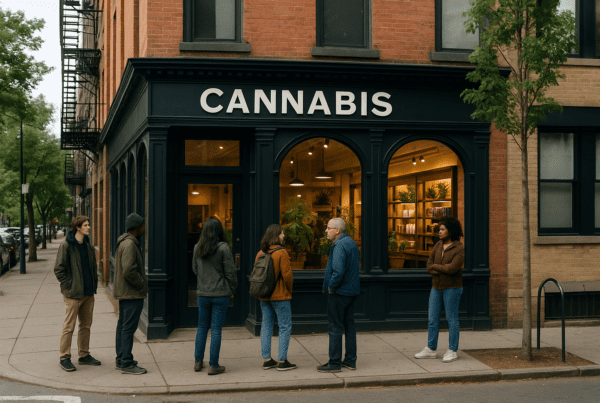

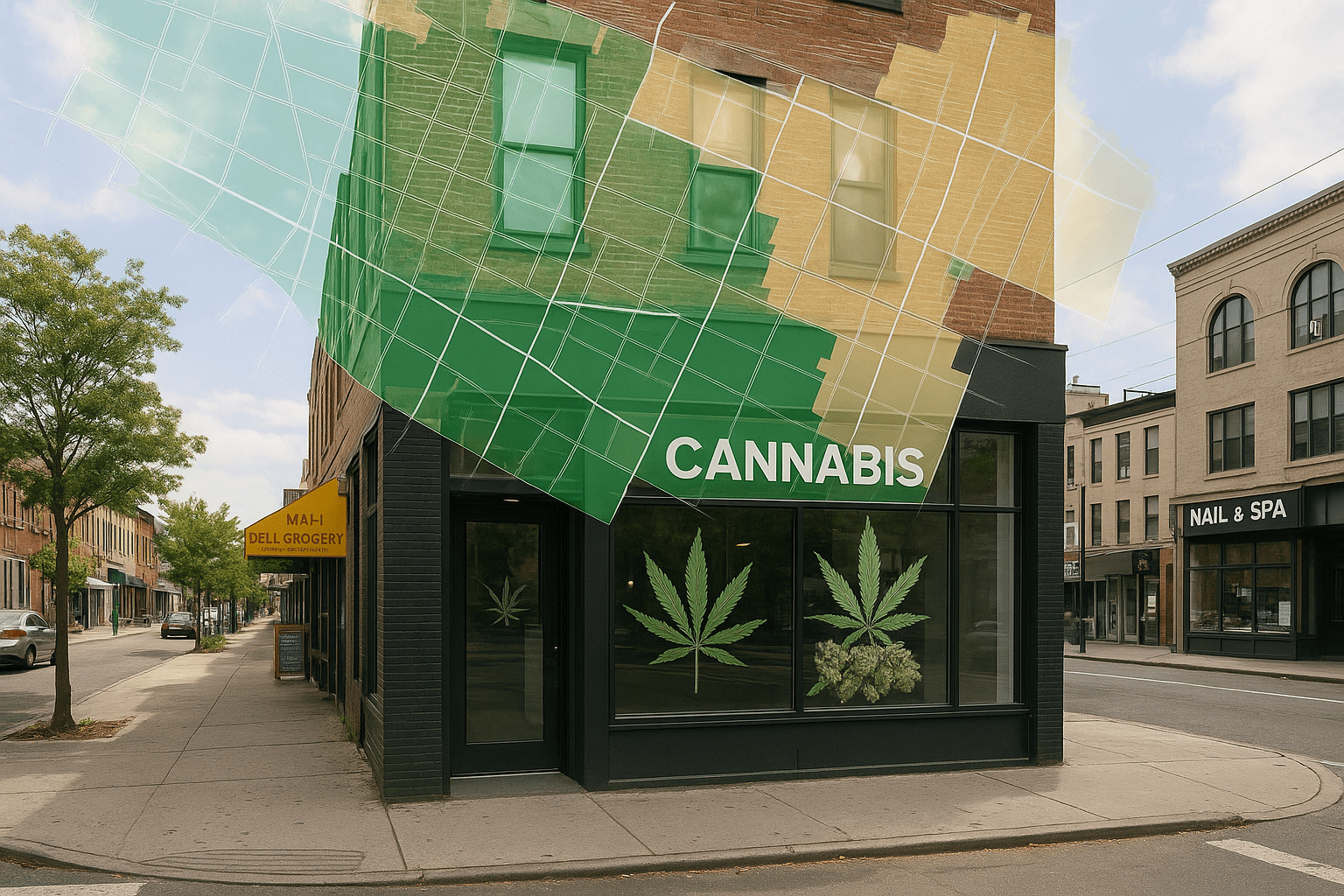
In recent years, the patchwork of regulations governing cannabis retail zoning has gained a new prominence for those watching the industry beyond just the products themselves. Cannabis dispensaries have to navigate a landscape of local rules that often feel like moving targets, nudging, pulling, and sometimes pushing where these businesses plant roots. The result is a shifting geography of cannabis retail that affects everything from accessibility to community dynamics.
When Zoning Lines Influence Business Decisions
Zoning laws have never been a mere backdrop for cannabis retailers – they shapes circumstances on the ground in very tangible ways. The decisions cities and counties make about which neighborhoods may house cannabis stores, how close these shops can be to schools or parks, and whether they cluster in certain commercial zones can influence not only where dispensaries appear but also who ends up going there.
For example, recent amendments to zoning ordinances in some states have expanded areas open to cannabis businesses, moving beyond dense commercial corridors into mixed-use or even some light industrial zones. This has provided a broader canvas for retailers to find affordable, accessible locations. On the other hand, other municipalities have tightened restrictions, often citing concerns about community character or youth exposure. It is a question of balancing economic opportunity with local value judgments.
Observing these zoning shifts, one finds that dispensary owners tend to weigh more than just square footage and foot traffic. Proximity to residential neighborhoods, parking availability, and neighborhood demographics also enter calculations. Retailers might look for spots that maximize visibility while minimizing friction with neighbors or local officials. The National Conference of State Legislatures provides a useful overview of how these regulations vary widely by state and locality.
Local Politics, Changing Attitudes, and the Ripple Effect
Municipal politics often drive the pace and nature of zoning changes. As attitudes toward cannabis soften in many parts of the country, city councils and planning boards face pressure to update their rules to reflect a more normalized cannabis marketplace. But this process can be uneven. Some communities are eager to attract dispensaries as part of economic development plans. Others remain cautious, if not resistant, delaying adaptations with public hearings and community input processes.
These dynamics create an uneven terrain where a dispensary might thrive in one jurisdiction but face insurmountable hurdles just a few miles away. This patchwork effect means that companies with the resources to adapt quickly or the willingness to engage in local politics are often better positioned to succeed. Meanwhile, smaller operators may find themselves squeezed out as costs rise or available locations shrink.
Another ripple of these changes is impact on neighboring businesses and the character of commercial corridors. Retailers sometimes report that joining clusters of cannabis outlets can bring foot traffic and a new customer segment, but also heightened scrutiny and policing. Understanding the zoning context helps reveal why some dispensaries choose to be near other cannabis businesses, while others prefer to stand apart.
What Accessibility Looks Like Through Zoning Changes
The evolving zoning landscape also carries consequences for consumer access. When jurisdictions restrict dispensaries to far-flung commercial zones, consumers without easy transportation can find themselves underserved, which in turn sustains illicit markets by limiting convenient legal options.
Conversely, more permissive zoning can improve access, especially in urban areas. This can translate into greater consumer choice and competitive pricing. Such changes might also spur innovation in delivery services and hybrid retail models, which blend physical locations with digital ordering. The California Cannabis Portal highlights examples where zoning flexibility correlates with a more diverse cannabis retail scene.
Still, not all aspects of accessibility hinge on proximity or zoning alone. Hours of operation, product selection, and local regulatory fees all shape how dispensaries serve their communities. When zoning rules restrict openings in popular or densely populated neighborhoods, those factors compound, influencing who benefits most from the legal cannabis economy.
Reading the Signs Ahead
Watching zoning laws as they shift is a way to see the cannabis industry maturing, grappling with the complex dance of integration into municipal life. Because these laws often echo broader debates about land use and community priorities, they are an indirect lens on how cannabis is settling into the social fabric.
Investors, operators, and advocates all pay close attention to zoning changes, knowing these rules can either unlock growth opportunities or create frustrating barriers. With legalization spreading and evolving, we will likely continue to see zoning laws adapted in various, sometimes surprising, directions. The stories will continue to emerge from the streets where dispensaries pop up or disappear, revealing how communities negotiate the presence of cannabis in daily life.
The regulations around cannabis retail zoning, complicated as they are, highlight a long-running tension between innovation and tradition, commerce and community. That tension underscores a form of cautious experimentation unfolding across the country, one location at a time.
For those curious about specific local regulations or looking for a broad sense of national trends, sites like Cannabis Industry Journal and Leafly’s politics news section offer ongoing coverage of how legal and policy changes are shaping where, how, and by whom cannabis is sold today.
These shifts do more than shuffle business addresses. They map evolving community norms and the expanding imprint of a new industry learning to fit into varied neighborhoods. That process continues to fascinate anyone interested in where cannabis goes from here.
Sources and Helpful Links
- National Conference of State Legislatures – Overview of state cannabis legalization and regulatory frameworks
- Cannabis Industry Journal – Industry news on cannabis retail and policy shifts
- Leafly Politics – News and analysis of cannabis legal developments
- California Cannabis Portal – Information on cannabis regulation and dispensary licenses in California