
When cannabis regulations shift, the ripple effects reach far beyond legal paperwork and store policy. Packaging rules, a seemingly technical detail, carry real consequences for how long products remain fresh and safe, and how end users feel about the goods they buy. Over recent years, as states and countries have tightened and reshaped cannabis packaging standards, both consumers and businesses have learned to navigate a new terrain where shelf life and perception play linked roles.
Packaging Changes Shape More Than Appearance
Packaging used to be about containment and branding. It held the product, carried warnings, and perhaps made a visual statement that attracted buyers. Nowadays, regulations insist on packaging that must do more-child resistance, odor control, and environmental impact have all become key concerns. These functional demands influence what materials are used, how products are sealed, and what size or style the containers take.
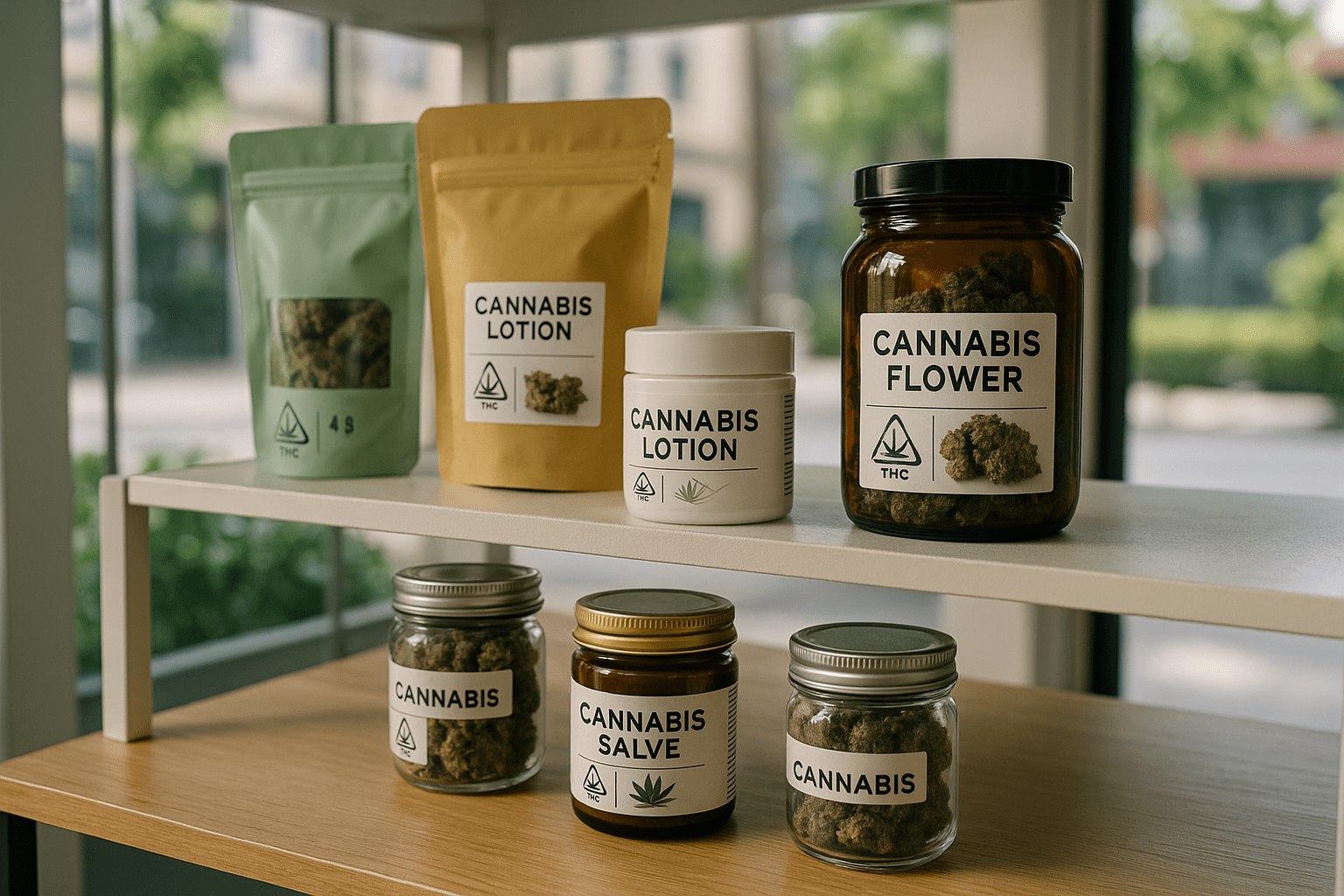
For example, child-resistant closures might mean thicker plastics or more complex lids, which could affect the ability of packaging to protect cannabis flower or concentrates from airflow and moisture. While these protective features serve safety priorities, they can also alter the microclimate inside the container, potentially accelerating degradation or affecting terpene retention. That leaves growers, manufacturers, and retailers watching closely as the lifespan and quality of cannabis in these new packages adapt to the rules.
Shoppers Notice Freshness as a Tactile Experience
There is a subtle but important dynamic where packaging changes communicate quality cues to consumers. A sturdy jar with a smooth, click-close lid sets one expectation. A flimsy, crinkly pouch sends another. In the absence of being able to smell or touch the product before purchase, customers lean on what the packaging suggests about freshness. New regulations sometimes require opaque or heavily labeled package designs that can obscure the product, forcing buyers to rely increasingly on the container’s feel and brand reputation rather than direct sensory contact.
This shift can lead to a disconnect. When fresh cannabis isn’t visible, or when heavier packaging implies longer shelf life but delivery feels dry or stale, trust can erode. Consumers might question whether such packaging truly preserves the flower’s integrity or simply complies sterily with rules. Such perception nuances mean that businesses balancing compliance with consumer appeal must rethink how they present products and communicate freshness indirectly.
Environmental Goals Add Complexity to Shelf Life Management
Another layer complicating the issue is the rise of sustainability commitments embedded in packaging laws. Many regulatory bodies encourage or mandate recyclable or biodegradable package materials. While these have environmental benefits, they sometimes challenge traditional shelf life strategies.
Materials with less durable barriers to oxygen or moisture can shorten how long a cannabis product stays at optimum quality. For example, glass jars have long been favored for their inert nature and barrier properties but are heavier and less eco-friendly to ship. Newer bio-based plastics claim reduced environmental impact but may not be as effective at sealing and preserving terpene profiles. The trade-off here plays out quietly across the supply chain, as producers and brands test packaging solutions that need to satisfy both regulators and discerning consumers.
Balancing Compliance and Consumer Trust in a Changing Market
The cannabis industry is learning that regulatory change does not just require tweaking labels and materials. It demands a broader conversation about how packaging affects everything from product chemistry to shopper confidence. Some producers have invested in packaging testing labs to better understand the interaction of new materials and seal designs with product stability over time. Others work with sensory panels and consumer research to gauge how packaging styles and information impact purchase decisions.
Interestingly, some companies champion transparency as a way to bridge the gap. QR codes on packaging can link buyers to lab results or freshness dates, allowing more informed choices even when the cannabis itself remains hidden. Such strategies respond to the loss of direct product visibility and help circumvent some of the trust challenges posed by the stricter regulations.
The interplay here mirrors broader consumer trends seen in other packaged goods, where people want both safety assurances and authentic product experiences. Cannabis is just now catching up to established categories where packaging has evolved to deliver multi-dimensional benefits alongside compliance requirements.
If Regulations Continue to Evolve, Packaging Will Follow Suit
For now, navigating the new landscape of cannabis packaging means watching several moving parts – material science, consumer psychology, environmental policy, and product chemistry. Businesses that stay attentive to how these factors connect have a better chance of managing shelf life effectively while maintaining or even boosting consumer confidence.
As cannabis markets mature, the conversation about packaging will likely include more innovation and adjustment. This could involve new protective technologies, smarter materials, or even different distribution models to offset shelf life challenges. Meanwhile, consumers will keep making judgments about quality and freshness based on more than just what is inside a package, but how that package makes the product feel safe, authentic, and worth their attention.
In this evolving space, understanding the real impacts of regulation on cannabis packaging gives an important glimpse into the day-to-day challenges and adaptations shaping the industry’s future.
For more on how cannabis packaging standards have changed, the impact on shelf life, and legal requirements, sites like the FDA’s cosmetic labeling regulations offer background on packaging safety parallels. The National Conference of State Legislatures tracks state cannabis rules in the US including packaging mandates. And specialized resources like Cannabis Supremacy on packaging trends provide insights tailored to the cannabis sector.
Sources and Helpful Links
- FDA Cosmetic Labeling Regulations – Background on packaging and labeling safety standards.
- National Conference of State Legislatures – Up-to-date state cannabis laws including packaging requirements.
- Cannabis Supremacy: Cannabis Packaging Trends – Industry insights on packaging innovations and challenges.
- Cannabis Business Executive on Packaging Sustainability – Overview of environmental impacts and regulatory shifts in packaging.