
Cannabis packaging has taken a noticeable turn over the last few years, reflecting changes across the industry that go beyond aesthetics or compliance. These shifts carry important weight for the consumer experience and their trust in the products they purchase. From materials chosen to labeling style, packaging has become a site where concerns about safety, authenticity, and environmental impact converge.
Consumer awareness shaping packaging choices
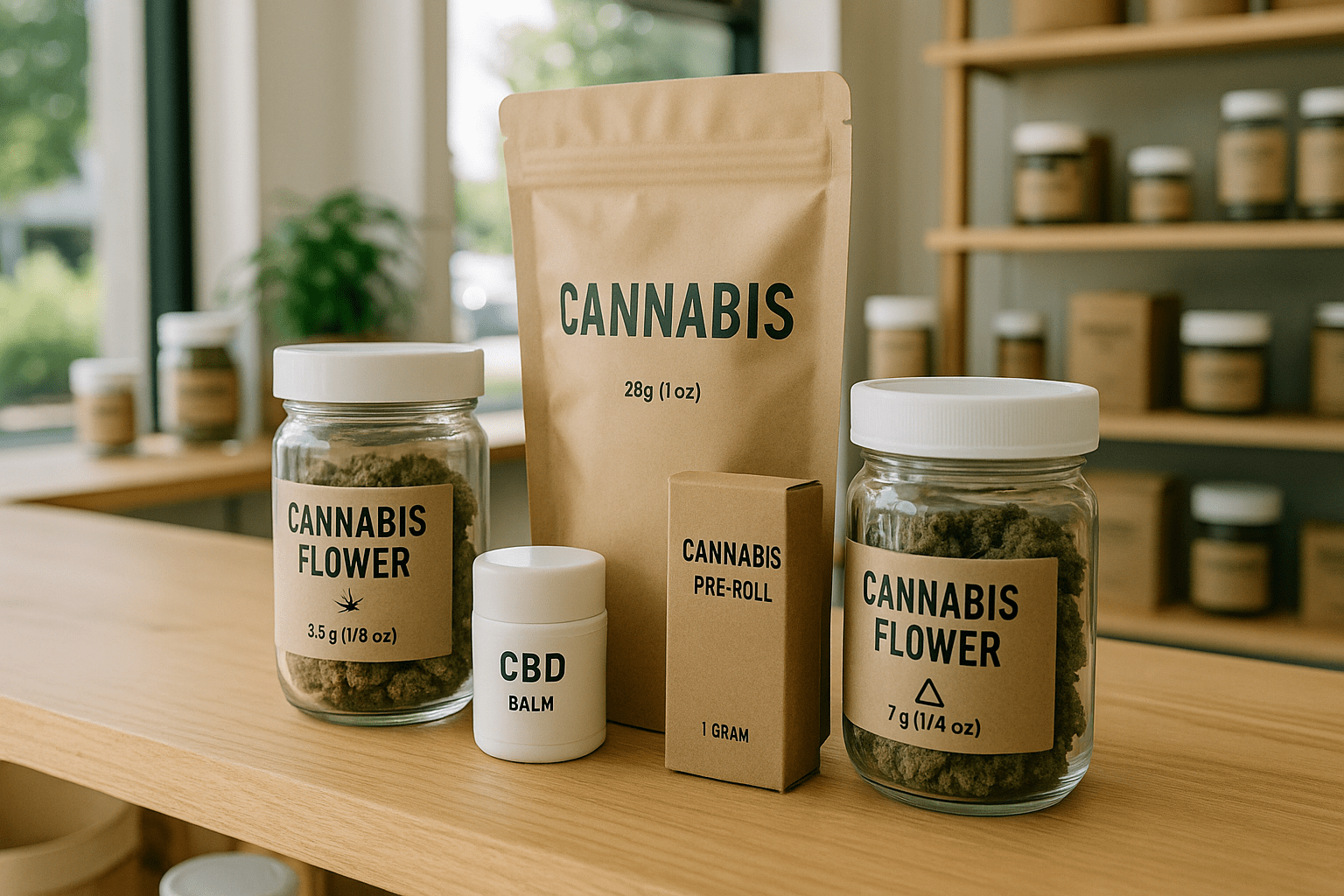
One thing growers and sellers have learned is that customers are paying attention to more than just the product inside. Packaging is often the first tangible interaction, and it quickly communicates what a brand stands for. It is common now to notice that many cannabis products emphasize child-resistant or tamper-evident designs markedly more than in the past, meeting stricter regulations but also reassuring customers about product safety at the point of sale.
At the same time, there are subtle cues in design, such as minimalist labeling or clear information about cannabinoid contents and terpene profiles, which respond to increasing consumer interest in transparency. Users no longer want vague or decorative labels; they want straightforward, trustworthy data they can use to gauge potency and effects for their needs. This trend is underscored by shifts in regulatory expectations, as tighter rules push for better clarity and standardization, encouraging brands to adopt more consumer-friendly labeling.
Environmental concerns and sustainable packaging
Environmental consciousness is no longer a niche for cannabis consumers either. The growing awareness about plastic waste and single-use packaging resonates strongly in this market, where products often come enveloped in multiple layers of materials mandated for safety and freshness. The industry is exploring options like bio-based plastics, recyclable containers, and even reusable packaging systems, though navigating regulatory constraints means progress can be slow and uneven.
Brands that manage to balance regulatory compliance with greener choices tap into a growing segment of eco-conscious consumers. Packaging now frequently includes notes about responsibly sourced materials or instructions for recycling, signaling that sustainability is part of the brand ethos rather than a mere afterthought. While this does not always translate into lower prices or universal adoption yet, the discussion around it is becoming more mainstream.
Authenticity and anti-counterfeit features
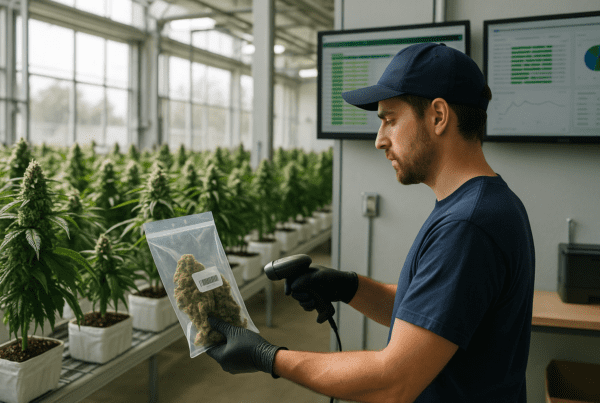
One of the stress points in cannabis retail is the ever-present worry about counterfeit products or adulteration. Packaging is evolving to meet this challenge head on. Features such as QR codes linked to lab testing data, holograms, and other security elements are more common and help consumers and regulators verify authenticity without hassle. These are not simply marketing gimmicks but practical responses to a real market problem.
Such packaging advances also help build a reputation for transparency in the cannabis supply chain. When a consumer can scan a code and see a lab result, it fosters a sense of confidence not only in the product but in the brand. The normalization of these features could shift expectations, with counterfeit-proof packaging becoming a standard rather than a rare convenience.
The subtle gap between regulation and consumer expectations
What remains particularly interesting is the gap that often persists between regulatory demands and what consumers actually want and expect. Each state or country where cannabis is legal has a patchwork of requirements for packaging and labeling, some of which prioritize child safety above all else, sometimes at the cost of usability or clarity. This can frustrate consumers who might find certain packaging hard to open or labels difficult to read.
Yet the industry seems aware and increasingly responsive to these frustrations. There is an ongoing conversation about what packaging can do better, balancing the real necessity of safety and regulatory compliance with the softer skills of design that lead to trust and positive experience. The current trajectory suggests packaging will remain a space of experimentation and gradual improvement, shaped by how consumers respond to and push against the limits of the system.
Tracking these trends offers a glimpse into how the cannabis market matures. Packaging does not just protect the product; it conveys a story about the brand and sets the tone for trust long before a joint is lit or a tincture is applied. As cannabis moves further into mainstream markets and out of the shadows, how it is wrapped and presented will shape its cultural and commercial meaning in subtle but meaningful ways.
For consumers curious about these developments, paying attention to packaging means catching signals about safety, authenticity, and environmental responsibility that reveal more than the product label alone. As more brands strive to meet these expectations, packaging becomes a reflection of both industry progress and ongoing challenges.
Those observing cannabis trends closely might find it useful to visit resources from regulators or industry groups to stay informed about packaging rules and new innovations. These insights also offer clues about where the cannabis market might focus next in efforts to earn and maintain consumer trust.
Meanwhile, the look and feel of cannabis packaging will continue to evolve as an unspoken promise from the brand to the buyer, blending regulatory requirements with real-world consumer hopes and concerns.
For additional detail on regulations and packaging standards, consulting official resources such as state regulatory agencies or educational cannabis organizations will help shed light on the complex landscape.
Sources and Helpful Links
- U.S. Food and Drug Administration government agency providing regulatory information relevant to cannabis packaging safety and compliance
- National Conference of State Legislatures on Medical Marijuana overview of state-level legal frameworks affecting cannabis packaging rules
- Leafly on cannabis packaging and safety standards industry-focused analysis of packaging trends and consumer considerations