
The cannabis industry has grown rapidly, outpacing many others in scale and scope. As the market expands, the environmental footprint of cannabis cultivation and processing facilities is becoming hard to ignore. These facilities require intense energy for lighting and climate control, substantial water for irrigation, and often generate considerable waste. In response, there is growing attention on integrating greener building practices that mitigate environmental impact while maintaining or improving operational efficiency.
Seeing the shift as sustainability enters the cannabis landscape
It is striking how sustainability, once peripheral in cannabis production, is weaving into the foundation of new facility designs. After years of focusing primarily on output quality and regulatory compliance, operators and builders are now exploring what it means to build with environmental responsibility in mind. This push aligns with broader trends in agriculture and real estate but faces unique hurdles given cannabis’s regulatory environment.
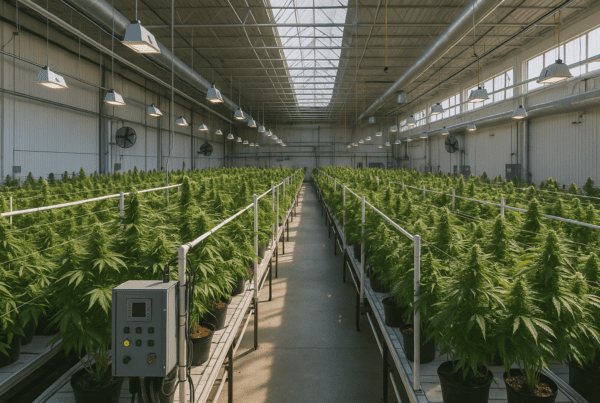
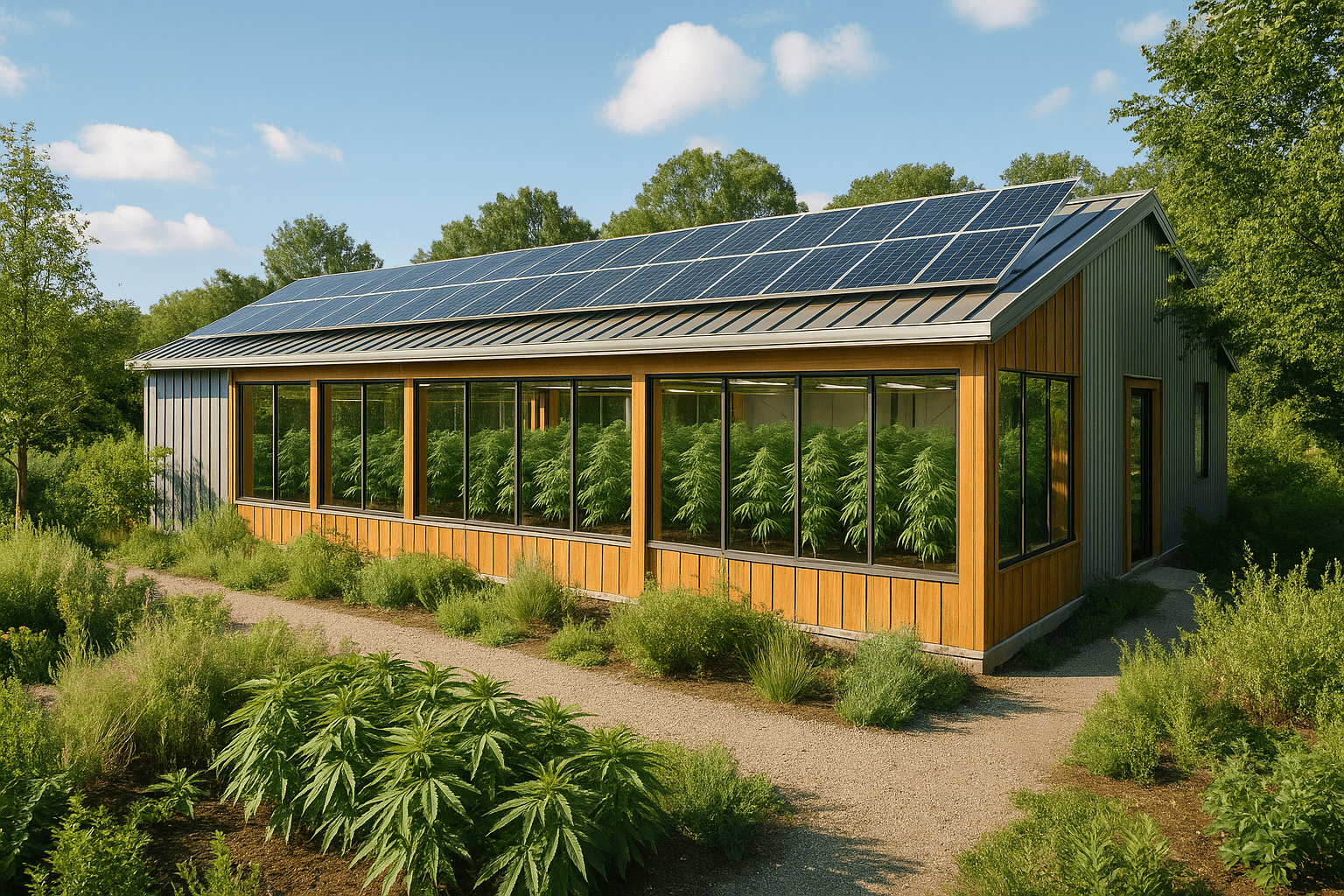
Energy consumption tops the list of environmental concerns. Indoor cannabis cultivation notoriously demands lots of electric power, largely to run high-intensity lighting and ventilation for temperature and humidity control. Some modern facilities now rely on conscientious light design, energy-efficient HVAC systems, and even integrate renewable energy solutions such as solar panels. It is a balance between meeting precise growing conditions and reducing reliance on fossil fuel–driven power grids, a challenging task as regulatory and production needs evolve.
Materials and design choices revealing new priorities
Building materials often leave a substantial environmental footprint, but there is a visible trend toward more sustainable options in cannabis facilities. This includes using recycled or locally sourced building supplies when possible, as well as materials that improve insulation efficiency. Improved insulation can drastically cut heating and cooling loads, which are major energy consumers within these buildings.
Architectural design also plays a crucial role. Facilities optimized for natural light can reduce the need for artificial lighting during daytime. Thoughtful spatial planning helps to increase airflow and minimize hotspots, influencing how much mechanical ventilation is required. Some growers and designers are experimenting with hybrid facility setups that combine indoor and greenhouse elements to capitalize on natural conditions while still controlling variables.
Water use and waste management in a cannabis context
Cannabis cultivation requires careful water use, especially where plants are grown in soil or substrate beds. Water scarcity in many regions adds pressure to improve irrigation techniques and recycle water when possible. Some facilities incorporate drip irrigation and automated monitoring to reduce waste.
Meanwhile, the industry faces a growing challenge around waste management. Plant waste, packaging, and even chemicals used in pest control can present disposal hurdles. Sustainable operations are looking at ways to compost or repurpose plant waste, reduce single-use plastics, and employ green cleaning agents to lessen environmental impact. This holistic approach to waste, from the plant to the packaging, signals a maturing industry starting to confront its lifecycle footprint.
Balancing operational realities with greener goals
Transitioning toward greener building practices is not straightforward. The cannabis industry operates under complex legal and economic constraints that can affect access to resources and investment capital. Operators must balance the upfront costs of sustainability upgrades with anticipated operational savings and branding advantages tied to environmental responsibility.
Moreover, the need for security and regulatory compliance imposes specific requirements on facility layout and design. These factors sometimes limit the potential for integrating certain green technologies or design concepts. Despite these challenges, the steady rise of certifications and frameworks around environmental management in cannabis cultivation indicates increasing openness to this shift. Programs like LEED certification for buildings or cannabis-specific guidelines from industry groups provide frameworks for those aiming to make greener choices.
At their core, these greener practices reflect a broader recognition within cannabis cultivation that stewardship of resources matters deeply to the industry’s future. As public perception evolves, businesses that demonstrate tangible commitments to sustainability may find better odds of community support and long-term viability. This is especially true in regions where cannabis production intersects with local environmental concerns or where energy costs are a major operational consideration.
In sum, the move toward greener building practices in cannabis facility design reveals the industry’s gradual but meaningful embrace of sustainability. It is an evolving story marked by experimentation, adaptation, and real-world constraints. While not every facility will achieve cutting-edge green credentials, the trend toward improved energy efficiency, thoughtful material use, and attention to water and waste management suggests a growing awareness that the green side of green cultivation counts too.
For anyone watching the cannabis sector move beyond just production metrics, the integration of greener building standards offers a grounded glimpse of how this industry responds to bigger environmental questions while navigating its own rules and rhythms.
More detailed insights on sustainable building techniques and cannabis environmental impact can be found at the U.S. Green Building Council and cannabis industry sustainability resources like LEED and Resource Innovation Institute. Those sources offer practical examples of design principles and technologies starting to influence cannabis operations across the country.
Understanding these real-world shifts is especially relevant to growers, operators, and facility developers who want to align facility function with ecological care. They reveal an industry increasingly aware that how and where cannabis is grown matters beyond the plant alone.
Considering both the challenges and opportunities ahead, the cannabis industry’s venture into greener building practices is a nuanced chapter in its ongoing development as a modern agricultural and commercial enterprise.
Sources and Helpful Links
- U.S. Green Building Council – A leading organization promoting sustainability in building design, including resources applicable for cannabis facilities.
- Resource Innovation Institute – Industry-specific sustainability standards and tools focused on energy and water use in cannabis cultivation.
- EPA: Sustainable Management of Cannabis Industry Materials – Information on waste management initiatives and guidelines tailored for cannabis packaging and plant waste.