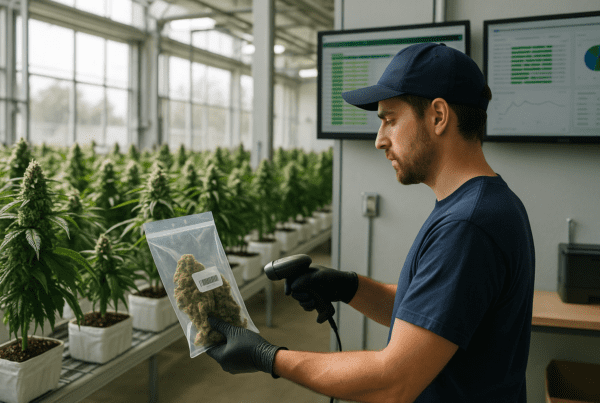

In the landscape of cannabis products, the way quality is assessed has quietly shifted in recent years. The industry no longer relies on basic checks or visual inspection alone, but increasingly on detailed lab testing supported by sophisticated technology. This evolution is not just a backdrop to product launches but a force reshaping the entire approach to cannabis quality standards.
Scanning Beyond the Surface of Cannabis
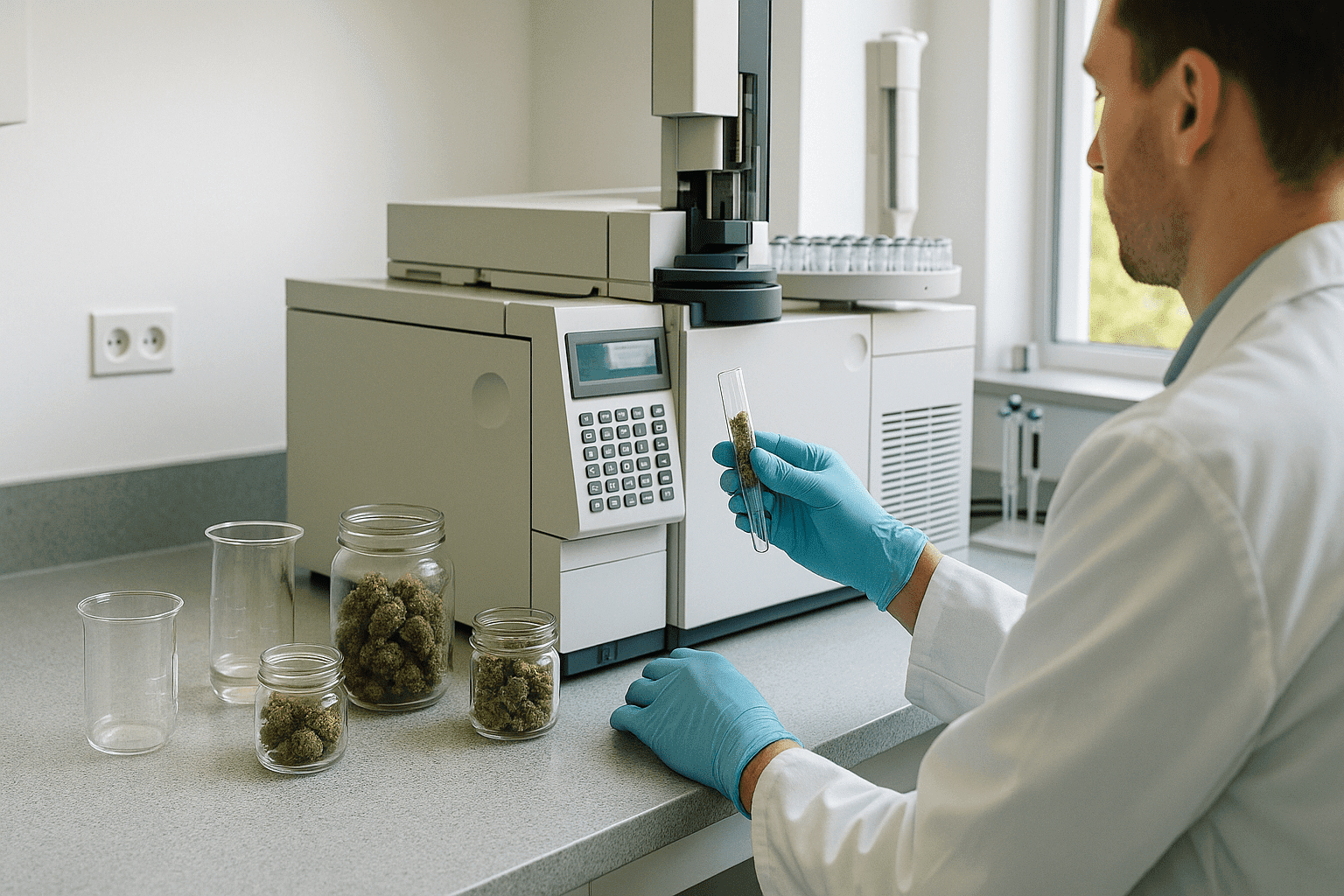
Years ago, cannabis testing tended to be relatively straightforward, often verifying only potency or the presence of a handful of contaminants. Today’s advances allow labs to scan the product’s chemical fingerprint with unprecedented resolution. Modern methods can identify and quantify dozens-sometimes hundreds-of compounds including cannabinoids, terpenes, and potential pesticides or heavy metals.
These precision techniques bring more clarity on exactly what is in each batch of cannabis flower, concentrate, or infused product. They can detect minute traces of solvents left over from extraction or subtle differences in cannabinoid ratios that affect effects and consumer experience. This rising granularity means companies face greater pressure to produce truly consistent, transparent products rather than just hitting approximate targets.
A Slow Tightening of Industry Thresholds
Testing advancements also feed into regulatory evolutions. As more states and countries regulate cannabis, agencies look to scientific testing data to define acceptable quality thresholds. These are often stricter than what some early markets accepted when rules were less mature.
For example, allowable residual solvent levels used to be a loose concept, but now extraction labs must meet exact, often world health organization-backed limits. Similarly, clarity around mycotoxins or microbial contamination continues to sharpen as better testing makes these hazards more detectable. This tightening reflects a pattern where science guides safer consumer protections and higher standards over time.
Quality Standards Driving Consumer Trust and Market Growth
Consumer expectations have evolved alongside testing technologies. More buyers want lab results as a matter of course and will shift away from brands that cannot prove their product’s purity and exact composition. Cannabis companies increasingly publish their Certificates of Analysis (COAs) online, allowing patients and recreational users to compare potency, terpene profiles, and safety results before purchase.
This transparency fosters trust in the product and the brand, and it pushes the market toward higher overall quality. When basic testing becomes common knowledge rather than an exception, the bottom rung of poorly tested or misrepresented cannabis narrows. This effect connects with the parallel rise of craft cultivators and producers emphasizing quality and transparency.
The Challenges Behind More Detailed Testing
Despite these benefits, enhanced cannabis testing also introduces complications. Richer chemical analytics can reveal inconsistencies or failures that previously went unnoticed, creating tougher hurdles for growers and manufacturers. The pressure to deliver perfectly clean and consistent product means tighter growing conditions, better extraction techniques, and sometimes costly remediation if contaminants are detected.
Moreover, testing technology itself is not always standardized. Different labs might use distinct analytical methods or instrumentation leading to variations in results. Regulatory bodies and industry groups are still working through how best to harmonize testing protocols to ensure results from one lab are comparable to another.
For smaller producers, the cost and complexity of demanding lab work can be substantial. Passing advanced tests consistently requires investment in quality control, staff training, and sometimes retooling supply chains-all factors that affect product pricing and market positioning.
Wider Ripples Beyond Safety and Potency
Advanced testing is revealing more about the subtle chemical makeup that relates to cannabis flavor, aroma, and even therapeutic potential. Tracking terpene profiles alongside cannabinoids offers insights familiar to wine or coffee aficionados about nuances in product character.
As research progresses, testing may also contribute to identifying novel minor cannabinoids whose effects are not yet well understood but could drive next-generation product development. This chemical mapping deepens the industry’s ability to tailor products for wellness or recreational experiences beyond simple THC or CBD content.
The ripple effect of these advances touches packaging, marketing, and consumer education. Brands now have tools to make more specific claims or craft personalized experiences. It also suggests a longer-term path where product standards could evolve in line with growing scientific knowledge rather than remain static.
At the same time, this complexity in testing and product profiling calls for balanced communication. Consumers may encounter technical lab reports and data but need thoughtful interpretation to avoid confusion or unrealistic expectations.
Looking Ahead Without Speculation
Cannabis testing has stepped into a new era where precision, transparency, and scientific rigor interact with market and regulatory demands. This push is tightening quality benchmarks and influencing how products are made and marketed. Yet, like many areas in cannabis, change happens unevenly across regions and producers. Some markets lag, others lead with innovation, and the landscape as a whole remains a patchwork rather than a unified system.
What can be said is that as testing technologies continue to improve, they reinforce quality standards and expand how we understand cannabis as both a plant and a product. The trend toward transparency benefits consumers seeking assurance and choice while challenging producers to raise their game.
This evolution is a quiet but significant part of the cannabis industry’s ongoing maturation and its movement toward mainstream acceptance.
For the latest insights on cannabis testing methods and regulatory frameworks, interested readers can consult resources like the National Conference of State Legislatures’ medical cannabis laws page and the FDA’s stance on cannabis research. Industry-focused outlets like Cannabis Science Conference provide ongoing discussion forums and research updates.
Ultimately, the interplay among evolving cannabis testing capabilities, regulatory scrutiny, and consumer awareness is shaping what quality means in real-world terms-and how that quality is delivered on the shelf.
Sources and Helpful Links
- National Conference of State Legislatures, an overview of state-level medical cannabis laws in the United States
- U.S. Food and Drug Administration, information on FDA’s approach to cannabis research and regulation
- Cannabis Science Conference, a platform for scientific research and industry trends in cannabis
- Safe Access Now, resources on cannabis safety and testing protocols