
In the ever-changing environment of cannabis cultivation, shifts in light cycles can cause a ripple of reactions within the plants. It might start with a subtle shift in leaf angle or a change in how the plant stretches, and growers begin to sense something is different. These responses don’t just influence how the plant looks; they can affect growth rates, resin production, and overall plant health.
Variability in Indoor Lighting and Its Implications
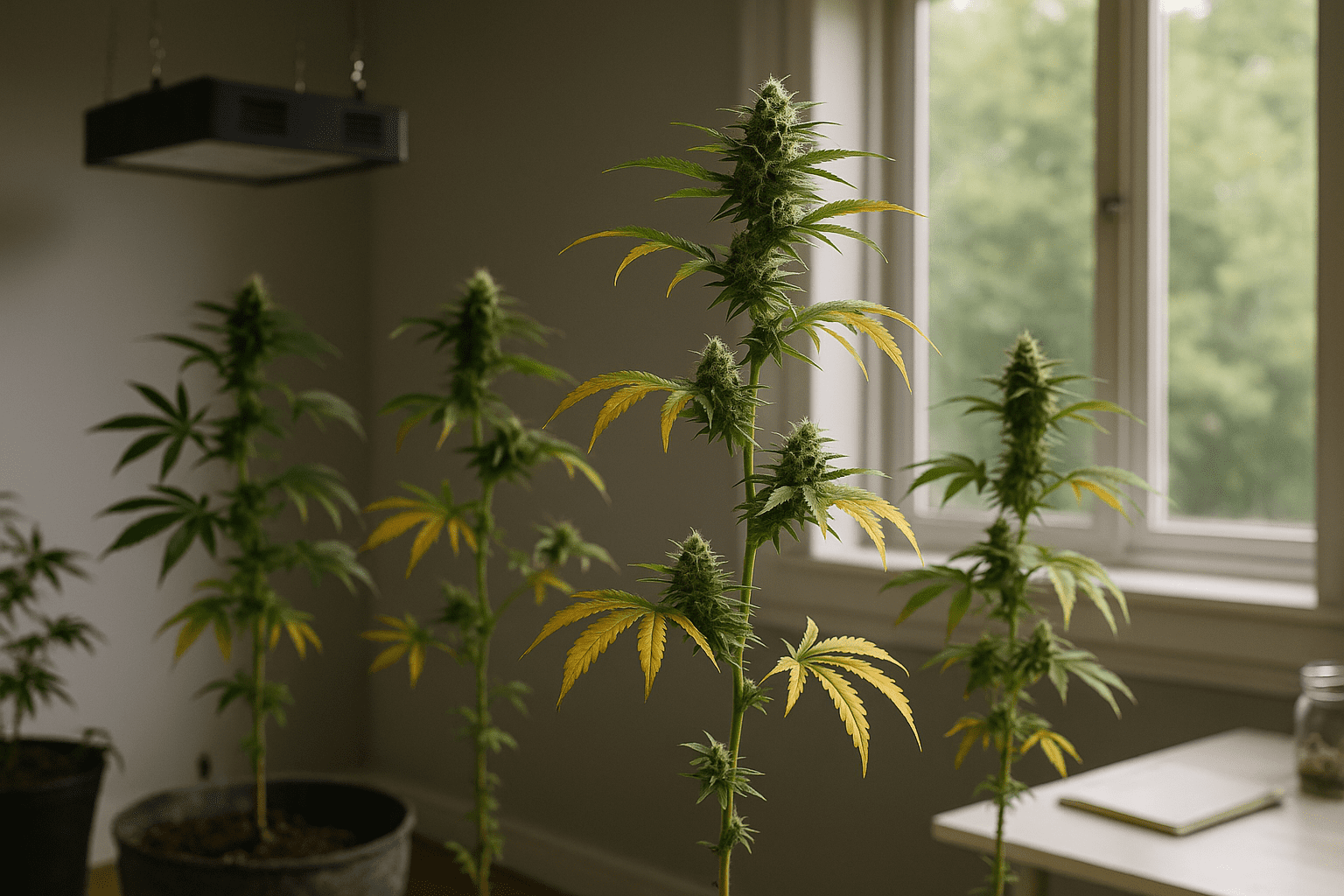
Many cultivators working indoors rely on strict light schedules, often 18/6 during vegetative stages and 12/12 to induce flowering. But when schedules are disrupted, whether intentionally or accidentally, cannabis plants often reveal their sensitivity to these fluctuations. Some report that even a few hours difference, a delay in lights turning on or off, can trigger signs of stress marked by slower growth or slight discoloration in leaves.
While cannabis is resilient by design, adapted to natural day/night shifts, it does not seem indifferent to sudden or irregular changes. This sensitivity might be tied to the plant’s circadian rhythms. Professional growers have started observing that plants appear more stressed when light cycles are not stable across multiple days in a row. These stress signs are not uniform across strains; some genetics manage these shocks better than others, which aligns with cannabis’s wide genetic diversity.
How Stress Shows Itself Across Growth Stages
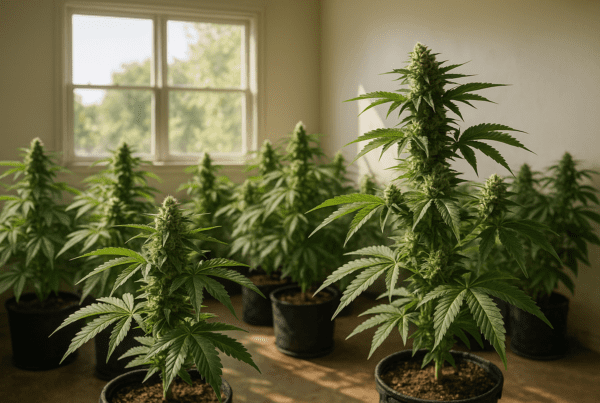
Vegetative-stage plants tend to show subtle changes with fluctuating light, such as modest yellowing on new leaves or slight curling. More overt stress symptoms often appear in flowering, where light schedule irregularities can distort bud formation or even cause premature flowering signs, such as early pistil development. This can lead to uneven flowering times or distorted trichome profiles.
One source of this knowledge is discussion threads from experienced indoor cultivators who carefully log light schedule deviations and compare notes on plant responses. For some, slight variations in light timing have been linked to tighter internode spacing or conversely, stretching, depending on the direction of the fluctuation. These subtle morphology changes are interesting since they occur without other obvious environmental factors shifting.
The Role of Circadian Rhythms and Hormonal Balances
The interplay between light cycles and internal plant clocks plays an important role in stress signaling. Cannabis, like many plants, uses light cues to regulate hormone production governing growth and flowering. When these light cues become inconsistent, hormonal imbalances can occur, especially with auxins and gibberellins, which guide elongation and flowering.
Growers often notice a phenomenon where plants lose some vigor after a light schedule disruption but regain it once the cycle returns to normal. This bounce back suggests that cannabis can recalibrate its hormonal pathways, but repeated or prolonged fluctuations may add cumulative stress. Close observation of leaves and overall plant posture can reveal these internal adjustments in real time.
Practical Considerations for Handling Light Cycle Variability
Producers face a real challenge when their lighting systems are subject to power outages, timer faults, or manual interruptions. Anecdotal reports from many cultivators suggest that reducing other stress factors at these moments can help plants adapt more smoothly. Maintaining optimal humidity, temperature, and nutrient levels minimizes compounding stress effects from light cycle changes.
There is also a growing curiosity about whether deliberate light cycle fluctuations could be used to manipulate plant growth positively. Some growers experiment with slight extensions or reductions in light periods to balance vegetative growth and flowering transition. However, results remain inconsistent, and many caution that cannabis prefers predictable light conditions.
Long-term, these practical insights about cannabis’s response to light fluctuation could inform both hobbyist and commercial cultivation. Understanding plant feedback allows growers to fine-tune environments and avoid unintended repercussions from even small changes in lighting schedules.
Ultimately, observing how cannabis reacts when its most fundamental environmental cue changes provides a window into its complex biology. It is clear that light pattern consistency plays a bigger role than many might appreciate, influencing more than just time to harvest but also plant wellbeing throughout the grow cycle.
As research continues and cultivator experiences accumulate, this topic promises to yield deeper understanding of the stress physiology in cannabis. For now, the careful grower keeps an eye on light timers and watches for subtle signs, acknowledging that even a small disruption can ripple quietly through plant development.
For those intrigued by how light shapes cannabis growth and stress, resources like Grow Weed Easy’s light cycle explanations and Cannabis Business Times on lighting consistency shed more light on the challenges and observations in cultivation environments.
Exploring these real-world observations enriches the ongoing conversation about what cannabis needs to thrive, especially as more growers move indoors and rely on artificial lighting systems with their unique vulnerabilities.
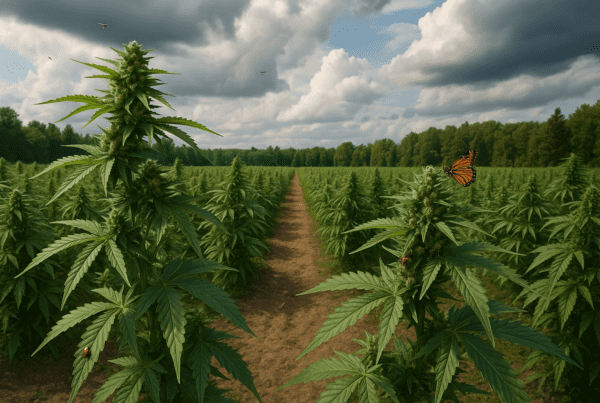
Even outside controlled environments, fluctuating light cycles from weather or seasonal shifts remain relevant to outdoor growers, reminding us that light is a fundamental, yet dynamic, input for cannabis cultivation.
A View From The Grow Room: Listening to The Plants
Those who spend long hours in grow rooms often talk about “listening” to cannabis. This is less about sound and more about tuning into visual and behavioral cues. Leaves wilting slightly or tucking in, changes in stem rigidity, or shifts in node spacing serve as silent messages about environmental comfort or distress.
Fluctuations in light schedules challenge growers to pay closer attention. With experience, they notice that cannabis plants seem more forgiving to brief, consistent disruptions than to unpredictable or repeated interruptions. This real-world nuance is harder to capture in lab studies but is part of the living dialogue between grower and plant.
In the end, every light cycle variation tells a story, sometimes small, sometimes carrying echoes that extend to harvest quality. As cultivators accumulate these observations, they contribute to a broader understanding of cannabis as a living organism adapting continuously to its surroundings.
That ongoing conversation is part of why watching and learning from cannabis under fluctuating light remains a valuable pursuit for growers everywhere.
For more detailed observations and insights about light cycles and plant behavior, the Leafly guide on cannabis light cycles offers approachable explanations, and Project CBD’s exploration of light spectra and growth nuances provides a scientific perspective.
Sources and Helpful Links
- Grow Weed Easy – Detailed explanations of cannabis light cycle impacts.
- Cannabis Business Times – Industry perspective on lighting consistency and plant effects.
- Leafly – Practical guides on cannabis light requirements.
- Project CBD – Scientific examination of light effects on cannabis growth.