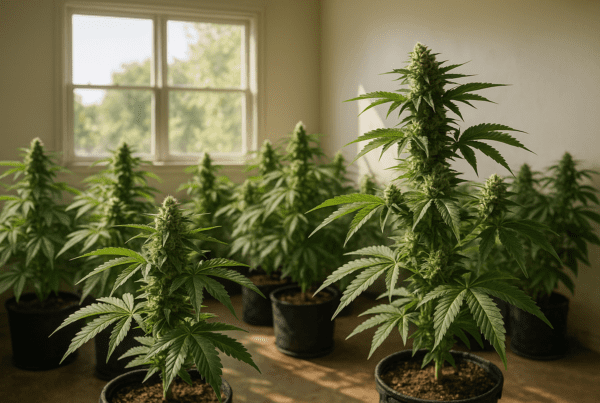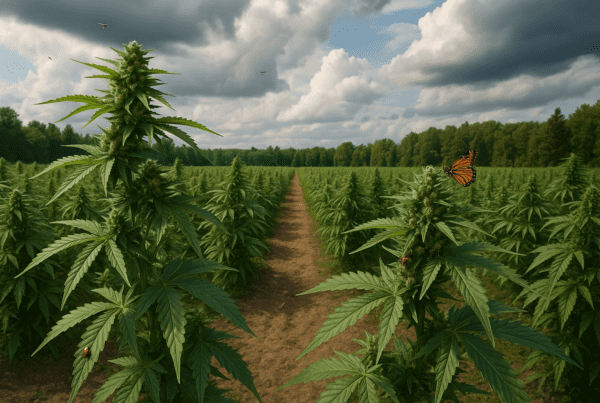

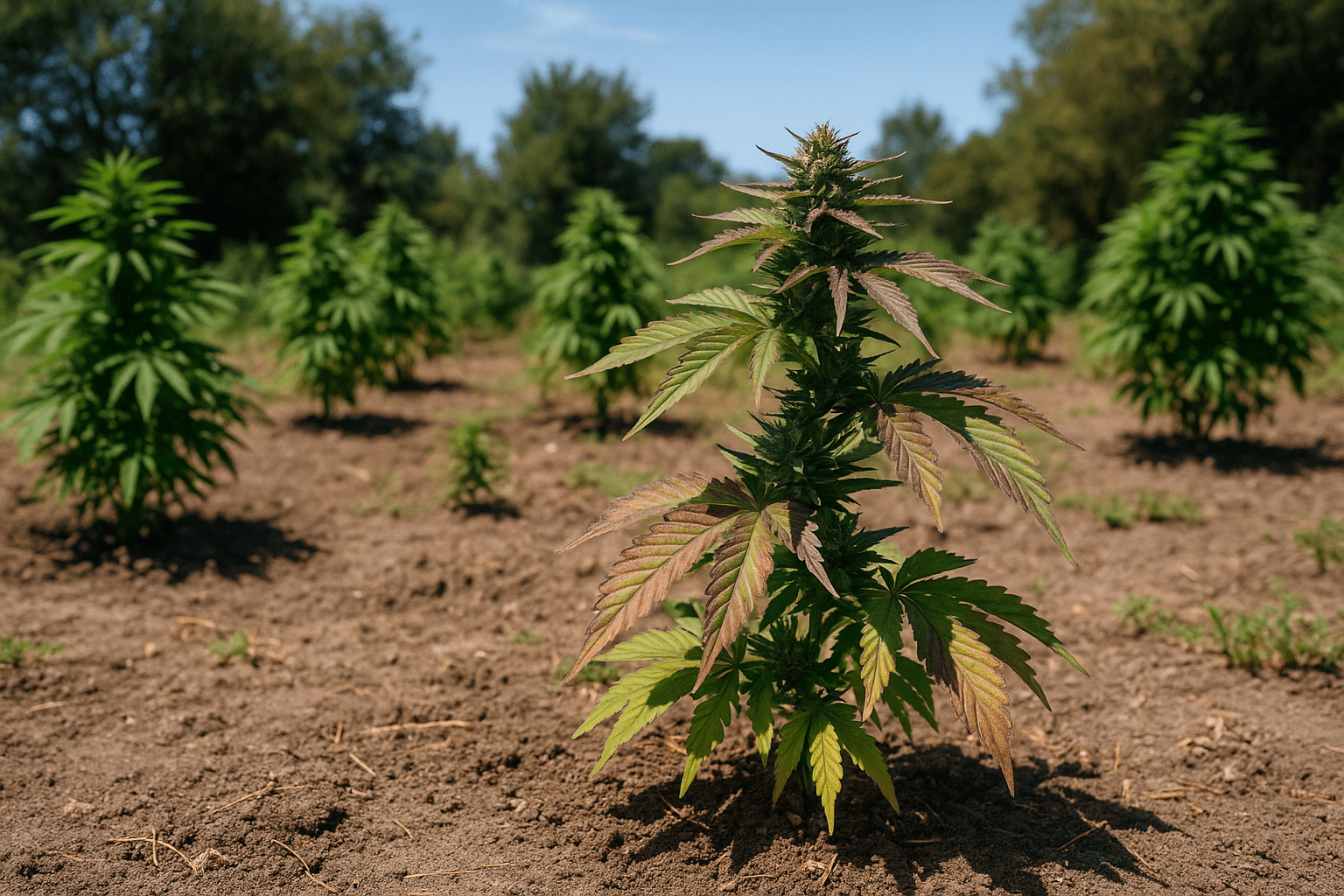
Growing cannabis under different soil conditions often reveals an underappreciated challenge. Variations in soil salinity quietly influence plant health and yields, yet the shifts in salt levels remain mostly invisible unless you look for their effects in plant behavior and soil chemistry.
Salt is There Even When You Don’t See It
Walking through a cannabis cultivation site rarely reveals obvious signs of salt in the soil. It does not announce itself like a pest or mold outbreak. Instead, salinity makes its presence known through how the cannabis plants respond over time. Signs such as leaf curling, white residue on leaf edges, and patches of slowed growth often get blamed on drought stress or nutrient issues. However, these symptoms can be the result of changes in salt concentration, which alter how water and nutrients move within the root zone.
Soil salinity involves soluble salts like sodium, chloride, calcium, and magnesium accumulating in the soil. Sources range from irrigation water to mineral weathering and fertilizer residues. The soil’s composition plays a major role, with heavier clay soils trapping salts more effectively than sandy ones, which may leach salts but also run the risk of drying out faster.
How Cannabis Grapples with Salt Stress
The root system is the main gateway for water and nutrients, but high salt levels in the soil change the usual dynamics of absorption. Elevated salt concentrations increase osmotic pressure, effectively pulling water out of roots instead of letting it flow in freely. This makes a plant feel water-starved even if the soil moisture content appears sufficient.
Growers often notice that leaves may curl, develop thin crusts of salt, or begin to yellow and die back. Roots themselves may deteriorate from the stress, limiting nutrient uptake and slowing growth rates. This interference affects yield and potency, as the plant’s metabolic balance shifts to cope with the challenge, sometimes resulting in less dense flowers or altered cannabinoid ratios.
There is variation in salt tolerance among cannabis strains, although this area lacks comprehensive study. Anecdotally, some strains endure saltier soils better than others, but broader research would help growers select cultivars suited for their local salinity conditions.
Where Does Salt in Cannabis Soil Come From?
The water source is frequently the largest factor contributing to soil salinity. Groundwater and surface water supply can naturally contain dissolved salts. Recycled irrigation water, if not managed properly, can cause salt concentrations in the root zone to rise steadily. For example, drip irrigation systems that supply small amounts of water without routine flushing may allow salts to build up near the roots.
Fertilizer also adds to the salt load, especially synthetic or high-concentration formulas. Overfertilizing without monitoring soil salt is a common cause of buildup recognized across various crops, cannabis included.
Environmental context matters, too. Dry regions accumulate salts more readily because minimal rainfall reduces natural leaching that would wash salts below the root zone. In contrast, wetter climates tend to avoid excessive surface salt buildup thanks to regular rain flushing the soil.
Insights from Cultivators and Emerging Research
Indoor setups with soilless mixes or hydroponics face somewhat different salt challenges, yet nutrient solution concentrations require careful management to avoid salt-related issues. Outdoor growers commonly report uneven plant vigor connected to soil texture differences or suspected localized salt spots.
Testing soil electrical conductivity is becoming a more typical recommendation, giving a practical way to track salt levels rather than guessing based on symptoms. Though cannabis-specific scientific studies on salt stress are still emerging, related research on hemp and medicinal plants confirms that salinity reduces yields and affects nutrient balance and secondary metabolites-results credible within cannabis cultivation as well.
Managing soil salinity effectively involves more than just awareness. It calls for water testing, soil monitoring, considered fertilizer application, and occasional flushing of the root zone to prevent salt buildup. Organic amendments can improve soil structure, enhancing microbial activity that indirectly helps plants handle salt stress. Practical grower experience combined with evolving science points toward a nuanced approach where salinity is one factor among many shaping successful cannabis cultivation.
Salinity’s effects are subtle but real, a quiet influence that can erode crop performance if left unchecked. Paying close attention to soil conditions and plant responses offers growers a chance to intervene early, preserving yield quality over time. Understanding what alters salt levels and how cannabis copes with those changes empowers smarter management choices in diverse growing environments.
Those looking for a deeper dive into soil salinity concepts and how scientists measure salt impacts may find the United States Department of Agriculture soil biology and health resources helpful. Cannabis education platforms and research organizations increasingly recognize salinity as a factor in sustainable cultivation practices, especially where water reuse or challenging climates come into play.
The ongoing exploration of soil salt variations and cannabis performance reflects growing appreciation for the complex interplay between plants and their environment. Cultivators tuned in to these subtle relationships tend to gain an edge by adapting to conditions rather than ignoring factors that quietly shape outcomes.
After all, cannabis is a crop woven tightly with its growing medium, and no aspect of that medium-salt included-should be overlooked if the goal is steady, healthy production.
Continued attention to the soil, water, and nutrient dynamics allows growers to observe and respond thoughtfully. This perspective enriches both science and practice, highlighting how the smallest soil salts can ripple through the life cycle of a plant.
Salinity may not make the big headlines in cannabis news, but its persistent and invisible presence speaks volumes in cultivation rooms and fields where growers keep watchful eyes on every leaf and bud.
A Living Dialogue with the Soil
Engaging with soil salinity is not a fixed problem to be solved only once. It is a relationship that evolves as salts fluctuate with seasons, irrigation practices, and amendments. Some growers share stories where a spotty patch of weak growth leads to soil testing and changes in watering schedules or fertilizer routines. They talk about the slow work of recovering soil health, which often involves patience more than quick fixes.
This ongoing attention reflects how cannabis cultivation leans on observation and adaptation. Salt levels may shift subtly, but their impact bundles into the overall quality of a crop over time. That awareness has encouraged some cultivators to test regularly, adjust inputs, and stay curious about what the soil is telling them.
In this regard, soil salinity becomes part of a broader, dynamic conversation between grower and environment. It is neither villain nor hero, but a factor that reveals the complexity of nurturing cannabis from seed to harvest.
Such stories and studies also underline how variations in soil salinity challenge assumptions of uniform growing conditions. Even a well-managed garden can harbor unexpected salt pockets that influence outcomes. Recognizing these patterns fuels better decision making and a more grounded understanding of what plants actually experience.
In time, ongoing research and practical knowledge may expand growers’ capacity to select strains and methods suited for their unique soil profiles, reducing surprises and enhancing productivity.
For now, paying attention to soil salinity means listening carefully to the soil’s silent signals and making gradual course corrections. It is part of the art and science of cannabis cultivation grounded in lived experience and careful study.
Ultimately, this attentive approach helps preserve healthy growth, good yields, and consistent cannabinoid quality that both growers and consumers value deeply.
The quiet issue of soil salinity deserves a place in conversations about cannabis cultivation, reminding us that hidden factors can shape visible results more than we often realize.
Learning from the soil as it changes reinforces the importance of balancing tradition and innovation in growing practices.
For deeper technical resources and updates on soil salinity research in crop production, several agricultural extension services and cannabis-focused research groups offer increasingly accessible information tailored to real-world growers navigating these challenges.
Far from a mere academic topic, soil salinity quietly threads through daily growing decisions and the evolving story of cannabis agriculture worldwide.
Ultimately, planting in salt-influenced soils calls for a mindful interplay of knowledge, observation, and responsive care.
That interplay reflects how cannabis cultivation remains, above all, a living dialogue between people, plants, and the earth beneath their feet.
Resources to Explore Further
Explore more about soil salinity and how it influences crop production through authoritative resources like the USDA Natural Resources Conservation Service which provides detailed insights on soil health and salinity management.
For growers interested in the nuances of managing salinity in cannabis, organizations such as the Cannabis Business Times discuss practical strategies and real grower experiences with salts and nutrient management.
Additional research and educational articles on the broader effects of salt stress in medicinal plant cultivation are available at the Leafly Cannabis Science section, featuring balanced coverage of soil conditions and plant response.
Growing awareness around soil salinity also finds discussion within agricultural extension programs at universities known for horticulture research, providing grounded guidance for sustainable cultivation practices that incorporate salt monitoring.
Collectively, these resources help put soil salinity in perspective as an important but manageable factor in cannabis growing systems.
Understanding, observing, and adapting to soil salinity variations link directly to the success and resilience of cannabis cultivation fields and gardens.
Sources and Helpful Links
- USDA Natural Resources Conservation Service – Comprehensive details on soil biology and salinity management
- Cannabis Business Times article on managing salinity – Insight into salt and nutrient challenges in cannabis cultivation
- Leafly coverage on soil salinity in cannabis farming – Balanced perspective on salt effects and plant responses