

For anyone watching how cannabis tastes and experiences evolve, the way consumers approach terpene complexity feels like a quietly gathering wave. Terpenes have always been a part of cannabis conversation, but there is a noticeable shift in how much attention is given to their role beyond just adding aroma. This goes hand in hand with a growing appetite to understand cannabis as more than THC and CBD.
Noticing subtleties in flavor and smell
Cannabis consumers, especially those who have been around long enough to develop a palate, often describe their evolving taste for complexity in terms familiar to wine or craft beer drinkers. The varieties once celebrated primarily for their high THC content now share the limelight with strains lauded for rich terpene profiles, like those heavy with myrcene, limonene, pinene, or caryophyllene. There is a more conscious effort today to tease out the layers of flavor and aroma, appreciating that these molecules might subtly influence the overall experience.
This trend does not just reflect an increased interest in flavor and aroma. It suggests that consumers are also seeking different experiences from their cannabis, nuances that the terpene profile promises beyond the blunt metrics of potency. It’s becoming clear that aroma and effect are tied together in a way that rewards deeper exploration.
The rise of terpene-focused products and marketing
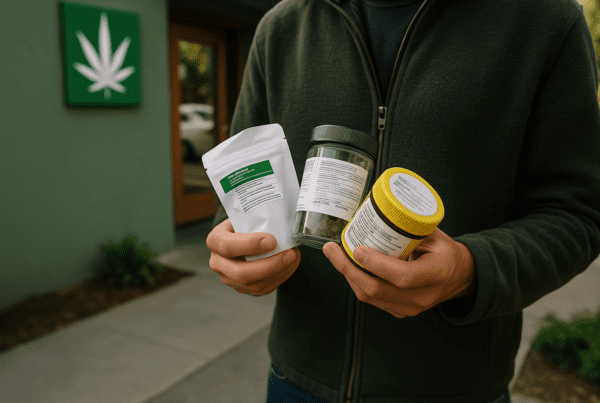
Industry reaction to consumer curiosity has been swift. There is a blossoming range of products that spotlight terpene content, from vape cartridges with tailored terpene blends to flower marketed specifically around terpene profiles rather than strain names alone. Brands now frequently label products with the dominant terpenes upfront, sometimes even referencing the flavor notes that may resemble citrus, pine, or pepper.
This shift is visible in dispensaries across legalized markets. Budtenders are encountering more customers who want recommendations based on terpene content rather than THC or CBD percentages alone. It leads to conversations that dig into what effects people want to feel, whether relaxation, creativity, or energy, with terpenes becoming reference points alongside cannabinoids. The education around terpenes, boosted by accessible science and marketing, seems to resonate as consumers trust their senses more to guide purchases.
How science helps explain, but doesn’t yet settle the picture
Scientifically, the exact psychoactive contribution of terpenes remains a work in progress. Researchers acknowledge that terpenes can modulate cannabinoid effects, known commonly through the idea of the entourage effect. However, the specifics are elusive, partly because human experiences with cannabis are so variable. Personal biology, consumption method, dose, and even mindset can influence how terpenes register in the body and brain.
Nevertheless, mounting research underscores that terpenes do possess their own pharmacological activity. Studies show that some may have anti-inflammatory or anxiolytic properties, but generalizing these effects beyond the lab is challenging. Meanwhile, the sensory impact of terpenes is undeniable. A vibrant, complex terpene profile can elevate how enjoyable cannabis feels and influence mood in subtle, sometimes unpredictable ways.
The science supports what many consumers have long suspected: that terpene complexity deserves a closer look, even if it isn’t yet perfectly mapped out in clinical terms. It reinforces a growing cultural appreciation for nuanced cannabis experiences.
Consumer habits and what they reveal over time
As more consumers encounter a variety of terpene profiles, their preferences naturally form into patterns. Some seek energizing notes, gravitating to strains high in limonene or pinene that carry citrus and pine scents. Others look for calming peppery or earthy flavors associated with caryophyllene or myrcene. This behavioral diversity signals that cannabis is being approached in more refined, personalized ways.
The practice of exploring terpene profiles also pushes consumers toward greater experimentation. People are more willing to try lesser-known or craft strains just to experience particular aromatics. Rather than sticking to familiar THC-heavy hits, there emerges a curiosity for intricacy and subtlety, expanding, in effect, the overall market’s flavor and effect palette.
Some of this is reinforced by social media and cannabis culture, where discussion about terpenes flows alongside talk about strain lineage or consumption habits. Consumers collect knowledge and then share it, creating feedback loops that amplify terpene interest beyond early adopters. The dynamic community exchange shapes how terpene complexity becomes a standard expectation rather than a niche novelty.
Implications for growers, processors, and retailers
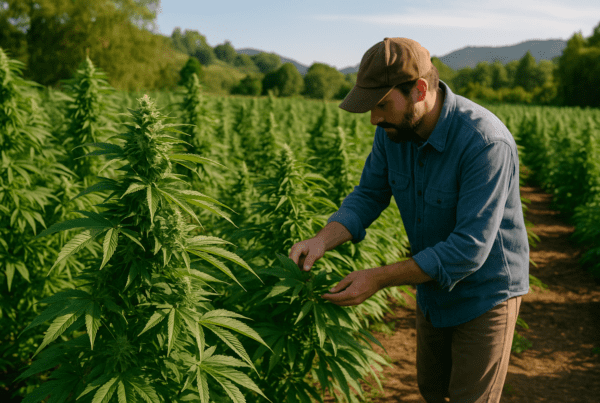
This consumer trend puts pressure on growers and producers to pay closer attention to terpene development during cultivation and processing. Terpenes are volatile and can degrade or transform if not handled carefully, making cultivation environment, harvesting timing, drying, and curing methods all critical. Growers who cultivate with terpene preservation in mind gain an edge in meeting the nuanced demands of these evolving consumers.
Processors too experiment with extraction methods aiming to retain or even enhance terpene profiles, crafting products that stand out for their complexity. Retailers, knowing that terpene labeling is catching on, embrace education and signage that emphasize these floral, citrus, or spicy characteristics. The market signals a shift from standardized, potency-based sorting to more experiential, multi-sensory choices.
Over time, this strengthens a feedback system where consumer preference influences how cannabis is grown and processed, which in turn raises consumer expectations in a steady, realistic progression.
Watching this unfold suggests cannabis is becoming more like fine food and drink, where sensory layers matter and deepen the connection to the product. It is a reminder that cannabis culture continues to mature, with consumer choices shaping its trajectory toward refinement and diversity instead of uniformity.
As more consumers seek richer terpene experiences, understanding these molecules and their real effects will likely become more important to everyone involved-growers, retailers, scientists, and consumers alike. For now, paying attention to the smells and flavors of cannabis signals not just what’s inside the bud but how cannabis has grown beyond a simple buzz into something intriguingly complex.
For further exploration, websites like Leafly’s terpene guide offer accessible descriptions of common cannabis terpenes. The NCBI article on terpenes in cannabis delves into scientific perspectives without excessive jargon. For those interested in market trends around terpene-heavy products, reports like those at MJBizDaily provide ongoing industry context.
These resources reflect how terpene complexity is moving from curiosity to cornerstone in the cannabis conversation.
Sources and Helpful Links
- Leafly terpene guide, a detailed introduction to common cannabis terpenes and their profiles
- NCBI scientific article on cannabis terpenes, discussing their pharmacology and role in the entourage effect
- MJBizDaily cannabis industry news, providing ongoing market reporting and trend analysis