
A lot of folks turn to cannabis as a more natural way to handle pain. I’ve noticed just how common this has become, and honestly, it makes sense—pain touches every part of our daily lives. When you wake up feeling stiff or sore, even the simplest tasks can feel a bit tougher. Cannabis isn’t some magic cure-all, but for many, it’s a softer alternative to prescription painkillers. With research steadily growing and personal stories popping up everywhere, it’s worth diving into what we actually know about it.
This guide will walk you through how cannabis might help ease pain, the roles of different parts of the plant, and what studies have uncovered so far. I’ll keep things straightforward since pain is something almost everyone faces at some point, and having clear info helps make better choices.
How Cannabis Connects With Pain
Cannabis works by interacting with the endocannabinoid system—a network in our bodies that helps regulate mood, inflammation, and how we feel pain. When you use cannabis, compounds like THC and CBD connect with receptors that influence how our brain processes discomfort. That’s why some people notice their pain feeling different or less intense after using it.
From the conversations I’ve had, the relief often feels more like a loosening of tightness or pressure rather than the pain vanishing completely. Many mention that cannabis helps them manage better day-to-day, instead of just dulling all sensations. This kind of support can be a real help, especially with chronic conditions where pain sticks around.
The Different Roles of THC and CBD
THC is the part of cannabis that causes a noticeable high, but it’s also tied to pain relief. Studies have found THC can change how our brain interprets pain signals. For some, THC also helps relax the body, which naturally eases tension.
CBD doesn’t produce a high and is often linked to reducing inflammation. Since inflammation is a big factor in many chronic pain issues, CBD has gained a lot of attention recently. Some folks prefer it because they want relief without any mental changes.
You’ll often see products that mix both THC and CBD because they seem to work better together. This is sometimes called the entourage effect. In simple terms, the different compounds support each other and create a more balanced overall feeling.
What Research Tells Us Today
The science around cannabis and pain is growing fast, but it’s still not perfect. Most research focuses on chronic pain, nerve-related pain, arthritis, migraines, and pain from multiple sclerosis. There’s also work being done on pain connected to cancer and chemotherapy.
The National Academies of Sciences, Engineering, and Medicine report there’s solid evidence that cannabis or cannabinoids can be effective for adults dealing with chronic pain. This is often cited because it comes from reviewing many studies together. That said, researchers point out we still need more long-term studies to better understand proper dosing, safety, and differences across products.
Neuropathic pain—pain caused by nerve damage or irritation—is an area where cannabis shows real promise. Several studies suggest cannabinoids might help reduce how intense this kind of pain feels. People describe neuropathic pain as burning, tingling, or electric-like sensations, and traditional meds don’t always do the trick.
Common Types of Pain People Use Cannabis For
Different pains seem to respond differently to cannabis, from what I’ve seen. Here’s a quick look at the main types people tend to explore it for.
Chronic Pain
This pain lasts a long time and can come from various sources. Cannabis won’t cure it, but it may help take the edge off, making daily life a bit easier when symptoms stick around or come back often.
Inflammatory Pain
Arthritis is one of the most common causes of inflammation-related pain. Many adults turn to cannabis to help ease stiffness and swelling. They often choose products rich in CBD because inflammation is a key factor here.
Neuropathic Pain
Nerve pain can be sharp and intense. Cannabis seems to help some people by calming the nervous system. Strains with more THC or a balance of THC and CBD often offer the most noticeable relief.
Headaches and Migraines
Migraines can be really tough to handle. Some users say cannabis helps ease early symptoms or lessens the severity. A few small studies back this up, but we need more research before drawing firm conclusions.
Cancer-Related Pain
Some cancer patients use cannabis alongside conventional treatments. It may help reduce pain, boost appetite, and ease anxiety. Hospitals and doctors are paying closer attention to this, especially where medical cannabis is legal.
Dosing, Delivery Choices, and What You Can Expect
Finding the right dose isn’t always straightforward because everyone reacts differently. What feels just right for one person might be too much for someone else. Starting with a low dose and increasing slowly is a good approach—it gives your body a chance to show how it responds.
Edibles usually have a stronger and longer-lasting effect. Smoking or vaping kicks in quickly but doesn’t last as long. Tinctures are somewhere in between and make dosing easier. Topicals can help with joint or muscle pain without affecting your mind.
Your choice depends on the kind of relief you want. For sharp, sudden pain, something fast-acting might be best. For aches that persist throughout the day, a slower, longer-lasting option often feels more useful.
Potential Side Effects and What to Watch For
No pain relief method is perfect. Cannabis can sometimes cause dry mouth, dizziness, or trouble focusing. For some people, THC might even increase anxiety instead of calming it down. That’s why balancing THC with CBD can often make things smoother.
Another thing to consider is tolerance. If you use high-THC products a lot, your body may get used to it and need more over time. Taking breaks or switching up cannabinoid levels can help prevent this.
Also, it’s important to remember cannabis doesn’t fix the underlying cause of pain. It helps with comfort and function, but it’s no substitute for medical care when you need a deeper diagnosis.
What People Who Use Cannabis Often Say
People who use cannabis for pain usually describe their relief in a few ways. Many mention that their discomfort feels easier to deal with. Some notice better sleep, which in turn makes mornings less painful. Others say they can focus more because the constant ache isn’t grabbing their attention all the time.
A common theme I hear is that cannabis doesn’t make the pain disappear completely. Instead, it changes how the pain feels to the body. Rather than feeling overwhelmed by it, people report having more control. That shift, even if small, can make a big difference.
How to Think About Cannabis as a Pain Tool
Think of cannabis as one option among many. It can help, but it usually works best alongside other things like stretching, rest, or physical therapy. Folks who go in with realistic expectations often have the best results.
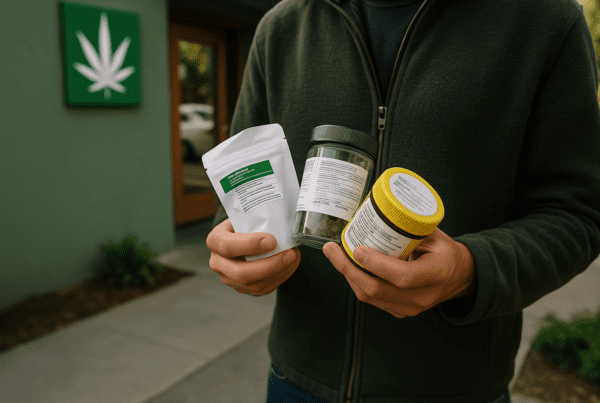
Medical experts generally recommend buying from licensed dispensaries, choosing clearly labeled products, and avoiding untested goods. This adds safety and consistency, which helps when you’re aiming for reliable effects.
What Research Still Needs to Uncover
Although progress is happening, there’s still plenty we don’t know. Researchers are looking into the best THC and CBD ratios for different pain types, long-term effects, and how minor cannabinoids like CBG or CBN may play a role. These lesser-known compounds might affect pain pathways in ways we’re just beginning to understand.
Future studies might also compare cannabis directly to traditional pain meds. Many people want to cut back on opioids, and some early research hints that cannabis could help. This is definitely an area to watch as more info comes out.
Final Thoughts
Cannabis for pain relief is gaining acceptance, and the research backs up what many users feel. It’s not perfect and it’s not for everyone, but it offers a natural option that a lot of people find useful. Whether you’re dealing with chronic aches, inflammation, or nerve pain, cannabis might just take the edge off enough to make life feel a bit easier.
If you choose to try it, go slow, pay attention to how your body reacts, and look for advice from trusted sources. Relief often isn’t a sudden one-time thing. Sometimes it creeps up quietly, giving you a little more room to breathe and move through your day. From what I’ve seen, that small change can be one of cannabis’s most meaningful gifts.