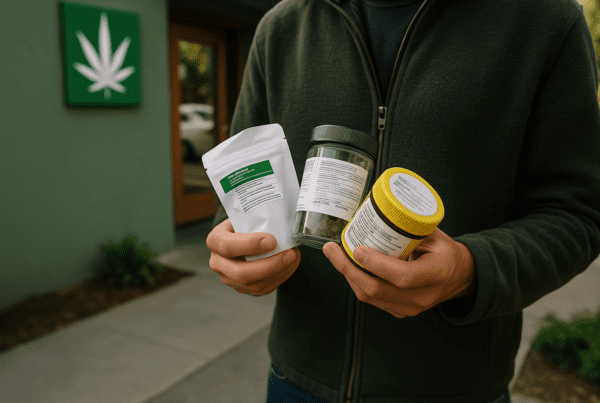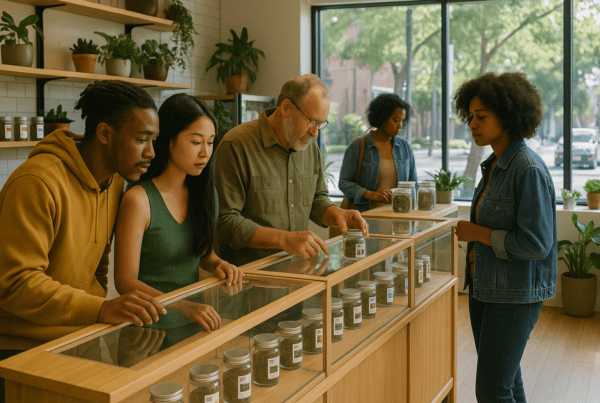

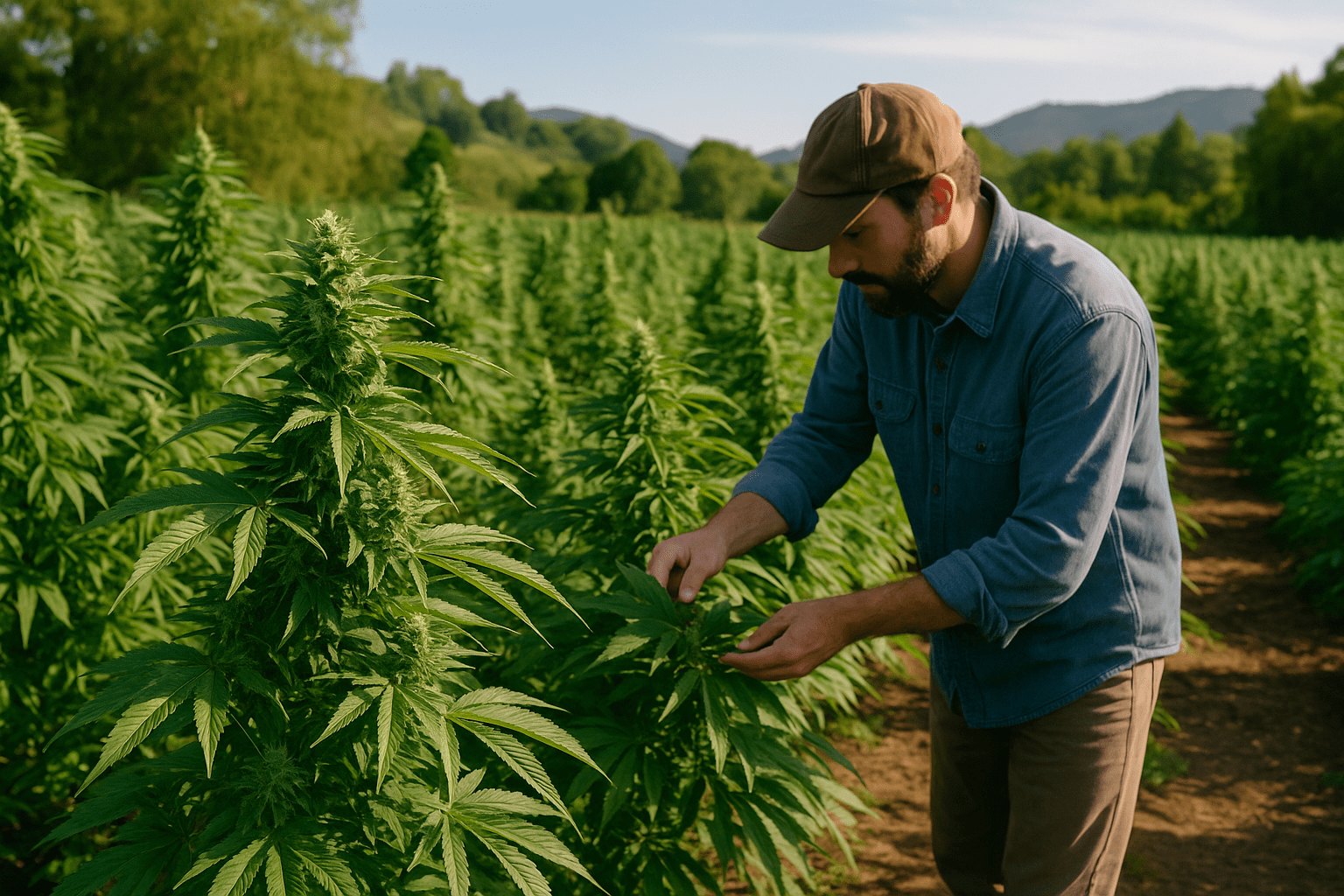
Looking back at how the cannabis market has evolved, it’s clear that people want more than just strain names or potency numbers. They’re increasingly interested in where the cannabis comes from, how it’s grown, and the effects those methods have on the environment and local communities. This growing curiosity shows a demand for products linked to honest, transparent farming practices rather than flashy packaging or vague claims.
Trust Is Becoming a Key Factor in Cannabis Choices
Every product tells a story, whether it’s flower, extract, or edible. For many consumers, understanding that story feels just as important as knowing the effects or price. These buyers tend to be cautious about mass-produced items that don’t openly disclose where or how they were cultivated. Transparency offers a sense of security. It builds trust by sharing details like pesticide use, soil quality, water sources, and worker conditions — information that wasn’t often part of the conversation before.
This shift echoes wider cultural trends seen in food, like the rise of organic farming and farm-to-table dining. Cannabis consumers seem to be adopting these ideas, asking for clarity from an industry with inconsistent regulations. More scrutiny encourages growers and brands to be more upfront and honest than ever.
Seeking Real Farming Stories Beyond Labels
Official certifications can help, but those who truly want transparency often look for a deeper connection. They want to hear directly from the farmers or see proof, like photos of the fields, videos showing how cultivation happens, or interviews where growers explain their methods. These stories add real value by showing the care and attention behind each harvest.
Social media and online platforms have made this kind of access easier. When growers share authentic behind-the-scenes moments, it breaks through polished marketing and exaggerated claims. Some brands even include QR codes on packaging that link customers to detailed reports about every step of the growing cycle, from nutrient management to harvest conditions. This openness creates a bond and a level of accountability that many consumers now prioritize.
Environmental Concerns Weigh More in Buying Decisions
Concerns about climate impact and sustainability play a bigger role when people choose cannabis products. The crop can use a lot of water and energy, especially indoor grows that rely on artificial lights. Buyers interested in transparent cultivation often want to support practices that reduce environmental harm.
Outdoor or greenhouse growing methods that cut energy use and use regenerative farming practices are gaining attention. Instead of focusing just on yield, regenerative farming aims to restore soil health, save water, and support biodiversity. These values resonate with consumers who see cannabis as connected to nature and overall wellness.
Producers who openly share their environmental footprint, including challenges and efforts to improve, often earn more respect and loyalty. This fuller picture goes beyond simple labels and connects with a thoughtful community.
Social Responsibility Adds Depth to Transparency
Transparency today often means more than just environmental impact. It includes how workers are treated, fair wages, and effects on local communities. These issues have become important to many consumers who want their purchases to reflect their values.
Farms and brands that openly talk about their social responsibility efforts — like fair pay, safe working conditions, or community programs — usually build stronger trust with buyers. This also recognizes cannabis’s complex history, including support for people affected by past prohibition policies.
For example, some farms highlight hiring local workers, investing in community projects, or supporting minority-owned cannabis businesses. Transparency here is about the human stories linked to the plant’s journey.
The Challenge of Truly Defining Transparency
Despite growing demand, full transparency isn’t always easy to achieve. Some growers need to protect trade secrets while sharing what they can. Sustainable or ethical methods can also increase costs, which makes openness more challenging.
Regulations vary widely by location, resulting in a mix of disclosure practices. Consumers often have to navigate between places with detailed information and others with limited details.
Still, the trend is clear. Cannabis businesses that ignore transparency risk losing customers who increasingly use public information to make smart choices.
Increasingly, buyers care not just about the final product but the whole story from seed to sale. Sharing farming methods openly lets producers build relationships alongside growing their plants.
Those who embrace openness may develop lasting trust, which is a big advantage as consumer awareness grows. This changing dynamic reflects the real challenges of balancing environmental responsibility, social ethics, customer interest, and market realities.
How cannabis travels from farm to consumer now matters as much as the product itself. For those exploring cannabis, knowing the farming story creates a connection that goes beyond common product details. It links use to responsibility, based on clear facts.
Defining and proving transparency still has its difficulties, but the trend shows how expectations have matured as cannabis gains wider acceptance.
Farmers willing to share honest stories become important guides for those navigating a growing array of options.
Transparency is no longer just a buzzword. It’s becoming an important conversation about honesty and accountability in how cannabis reaches the market.
This shift will likely touch many areas beyond growing — including retail experiences, packaging, and advertising — as consumers ask for more openness.
In the end, transparent cultivation brings cannabis into broader talks about sustainable farming and consumer rights, conversations shaping many fields involving food and medicine today.
The cannabis plant itself stays the same, but the stories about how it’s grown show shifting priorities among users and society as a whole.
This awareness seems ready to become a key feature of cannabis culture and business as more people want to connect deeply with what they consume.
Growers willing to be honest and open will find a community eager to listen and engage beyond just the product.
For wider perspectives on these ideas and what they mean for producers and consumers, resources like the U.S. National Library of Medicine offer solid research on quality assurance and consumer safety. Industry insights from Leafly explore how transparency shapes trust and cultivation in cannabis markets.
Regarding environmental impact, the UN Climate Change discussions connect cannabis practices to broader sustainability goals, a priority for responsible buyers.
Transparency in cannabis farming tells a rich story, blending the plant’s biology with human values and real-world challenges. Today’s consumers want a fuller understanding — not just of what they use but how it gets to them.
These changing expectations are quietly shaping the future of cannabis commerce, one open farm at a time.
Sources and Helpful Links
- U.S. National Library of Medicine – Research overview on cannabis quality assurance and consumer safety.
- Leafly – Industry insights into quality assurance systems and transparency in cannabis.
- UN Climate Change – Discussion on cannabis cultivation’s environmental impact within climate action contexts.